Emergency Services14 min read
Ultimate Guide to Deadbolt Placement for Security

By Roadrunner Lock and Key ·
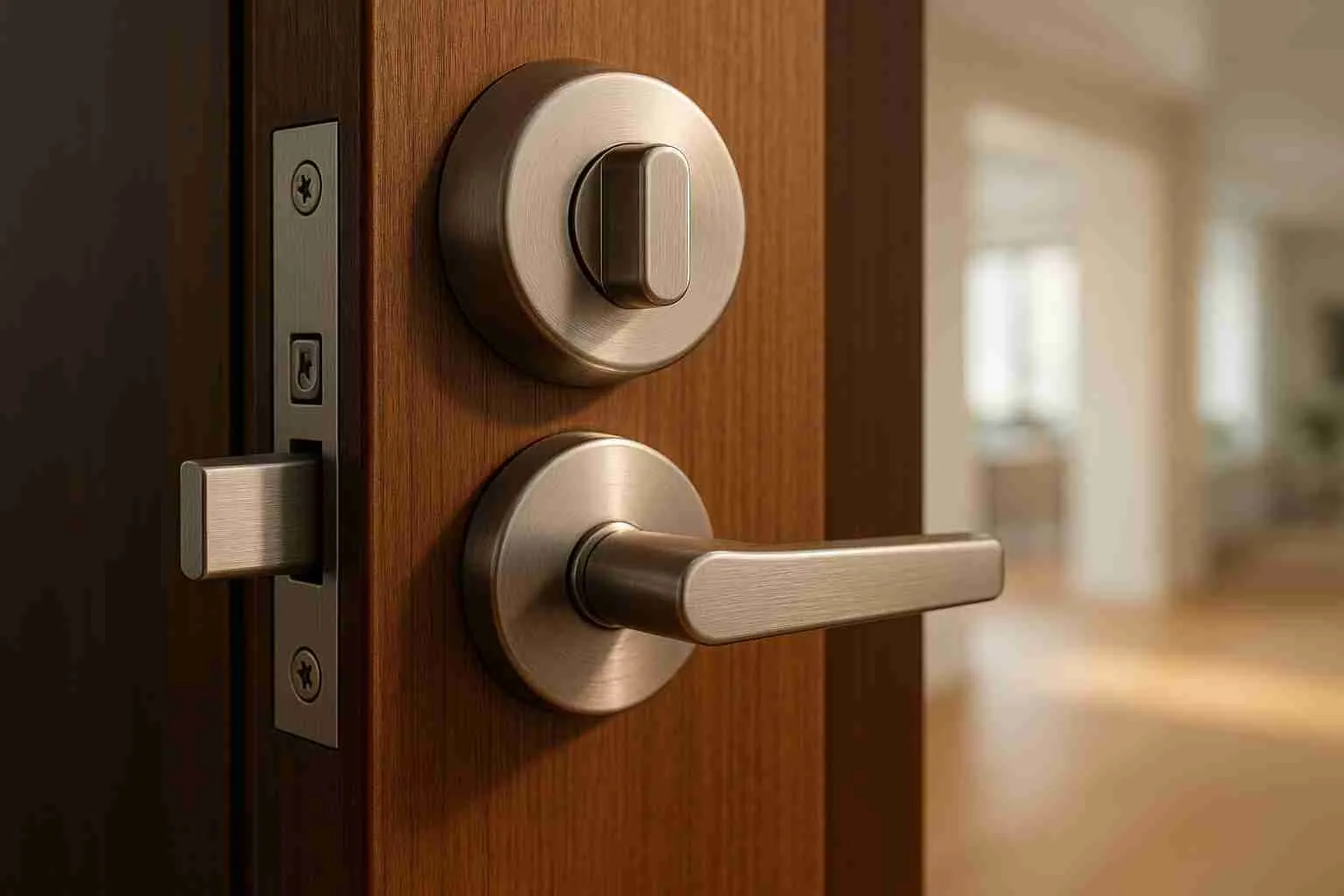
Deadbolts are one of the most effective ways to secure your home or business. Proper placement and installation ensure they perform as intended to resist forced entry. Here’s what you need to know:
- Deadbolt Types: Choose from single-cylinder, double-cylinder, or keyless options based on your security needs and door design.
- Security Grades: ANSI/BHMA grades (1 to 3) measure durability and strength. Grade 1 offers the highest protection.
- Placement: Install deadbolts 6 to 12 inches above the doorknob and ensure the bolt extends at least 1 inch into the door jamb.
- Installation Tips: Use reinforced strike plates and long screws (3 inches or more) for added strength.
- Common Mistakes: Avoid improper height (ideal is 48 inches from the floor), misaligned holes, or inadequate reinforcement.
For added peace of mind, professional locksmith services can ensure proper installation and address vulnerabilities. Investing in quality deadbolts and reinforcement measures significantly improves door security.
How to Install A Deadbolt Lock, How to Install a New Door Lock In 5 Simple Steps
Deadbolt Types and Security Grades
Choosing the right deadbolt isn't just about picking what looks good, it's about balancing convenience, security, and suitability for your home. Here's a breakdown of the main types and their security ratings to help you make an informed decision.
Single-Cylinder, Double-Cylinder, and Keyless Deadbolts
Single-cylinder deadbolts are the most common choice for U.S. homes. They have a key slot on the outside and a thumb-turn on the inside, making them easy to use and budget-friendly. The thumb-turn allows for a quick exit in emergencies, but there's a downside: if a nearby window is broken, an intruder could reach in and unlock the door using the thumb-turn. This makes single-cylinder locks less secure for doors near glass panels.
Double-cylinder deadbolts, on the other hand, require a key on both sides of the door. This design eliminates the thumb-turn vulnerability, making them a better option for doors with nearby windows or glass panels. However, there's a trade-off: you’ll need a key to exit, even in emergencies, which can be a safety concern. In fact, some local building codes limit their use in residential homes for this very reason. Double-cylinder locks are also more expensive than single-cylinder options, but they provide a higher level of security, ideal for homes in high-crime areas or for doors with glass elements.
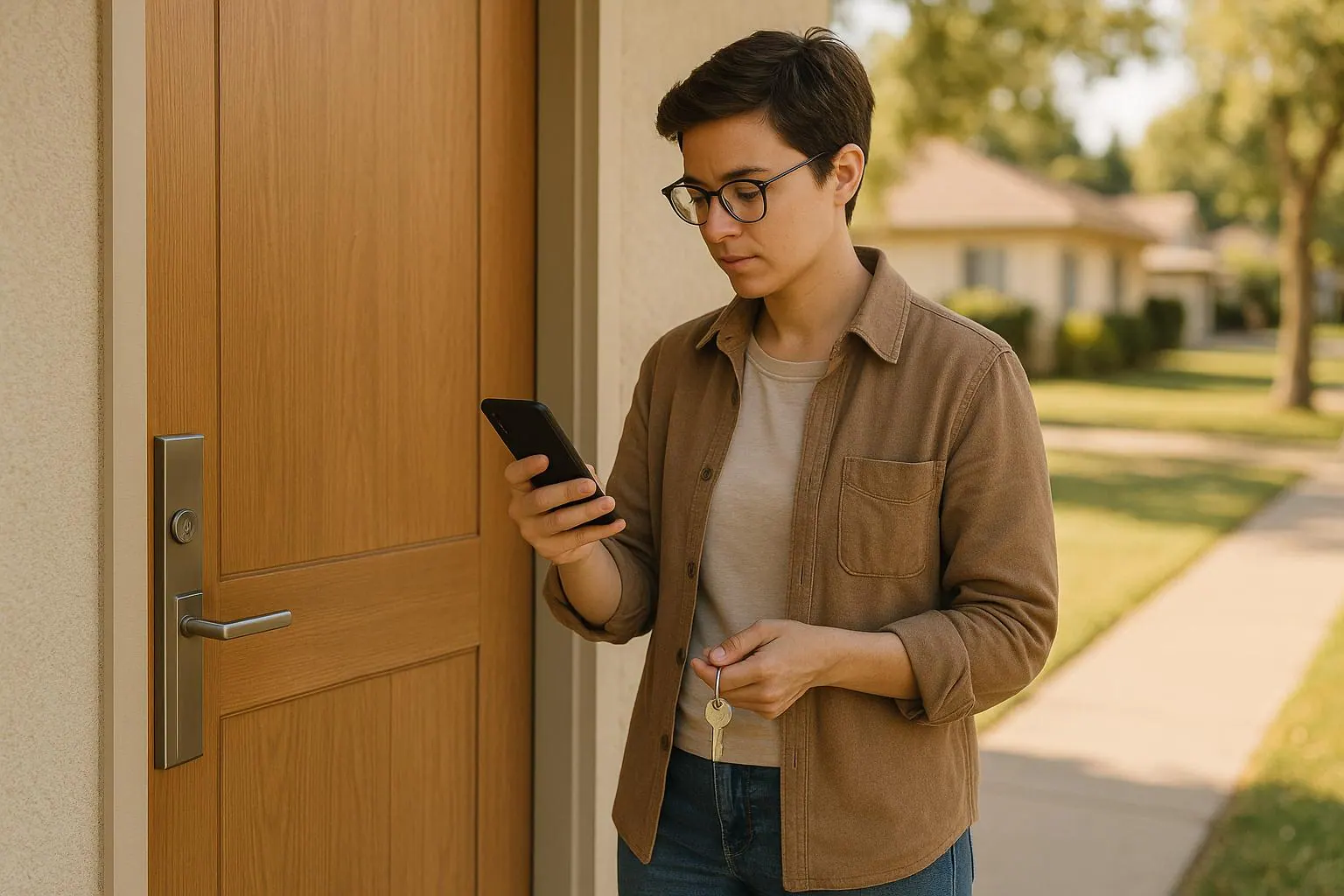
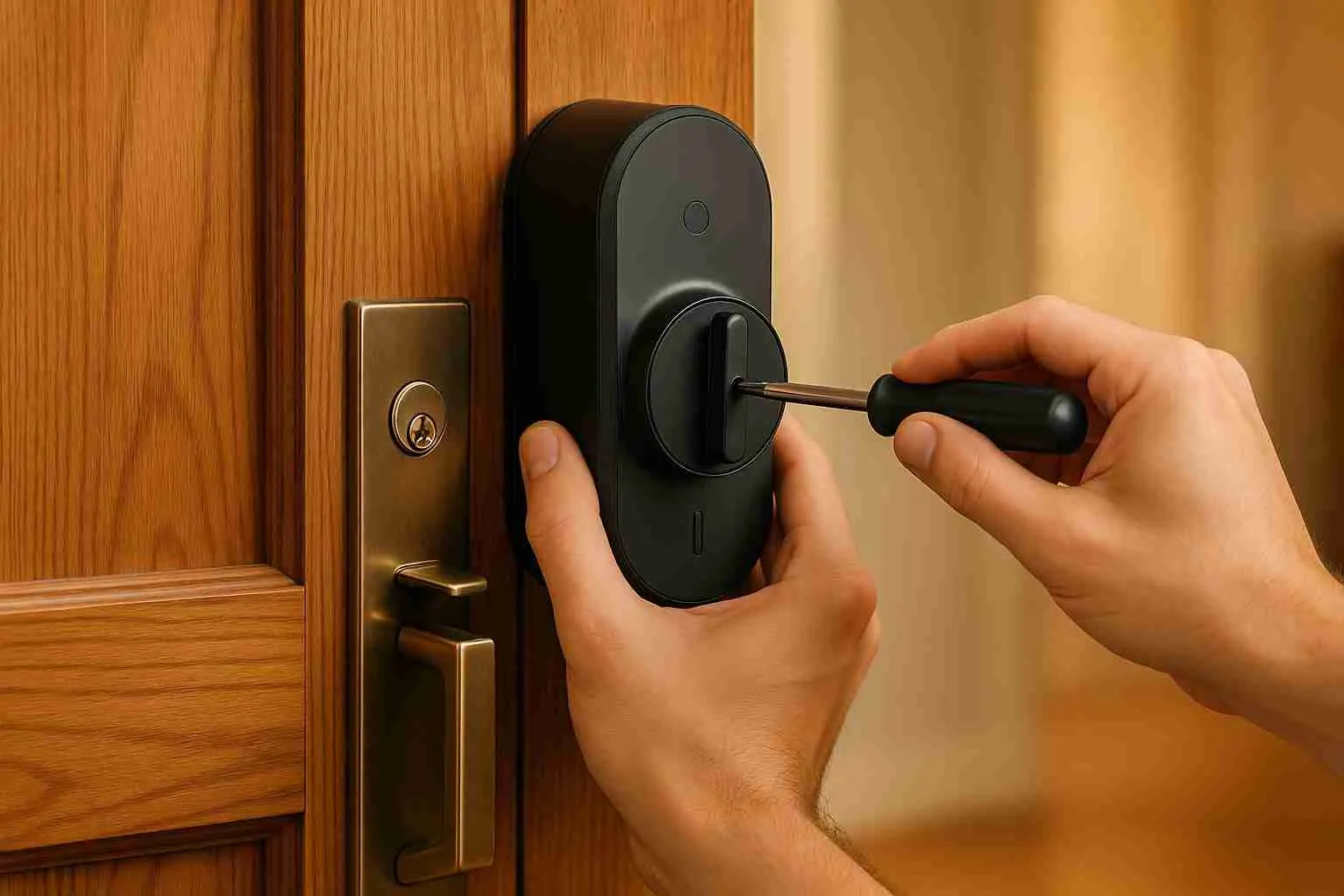
Keyless deadbolts offer a modern alternative by replacing physical keys with a keypad or touchscreen for entering a code. These are perfect for anyone prone to losing keys or who needs to grant temporary access. For even more convenience, smart deadbolts take it a step further by allowing remote operation, smartphone app control, and integration with smart home systems. These advanced features make keyless options both practical and secure for tech-savvy homeowners.
Once you've chosen a type, the next step is understanding how deadbolts are rated for security.
ANSI/BHMA Security Grades
To ensure you're getting a deadbolt that meets your security needs, it’s essential to understand the grading system developed by the American National Standards Institute (ANSI) and the Builders Hardware Manufacturers Association (BHMA). Deadbolts are graded on a scale from 1 to 3, with Grade 1 offering the highest level of security. These grades are based on factors like durability, strength, and resistance to force.
| Grade | Opening/Closing Cycles | Latch Bolt Size | Impact Resistance |
|---|---|---|---|
| Grade 1 | 1,000,000 cycles | 1 inch | 10 strikes at 75 lbs force (150 ft-lbs) |
| Grade 2 | 800,000 cycles | 5/8 inch | 5 strikes at 75 lbs force (120 ft-lbs) |
| Grade 3 | 800,000 cycles | 5/8 inch | 2 strikes at 75 lbs force (90 ft-lbs) |
Grade 1 deadbolts are built to withstand heavy use and provide the highest level of security. They can handle 1,000,000 opening and closing cycles and resist 10 strikes of 75 pounds of force, making them ideal for commercial settings or high-security residential areas. Grade 2 deadbolts are a step down but still offer solid protection, with 800,000 cycles and resistance to 5 strikes. These are a great choice for homeowners who want extra security without the cost of commercial-grade hardware. Grade 3 deadbolts provide basic protection and are commonly used as a secondary lock or for areas with lower security needs.
For most residential properties, Grade 3 locks are sufficient, but upgrading to a Grade 2 or even Grade 1 deadbolt can provide added peace of mind. Keep in mind, though, that even the best deadbolt is only as secure as the door and frame it’s installed on.
If you're unsure about which deadbolt suits your needs, Roadrunner Lock and Key offers expert advice and 24/7 services throughout Albuquerque to help you make the right choice.
Deadbolt Placement for Different Door Types
Deadbolt placement depends on the type of door, its material, and location. Proper positioning is key to creating a strong defense against break-ins.
Standard Deadbolt Height Placement
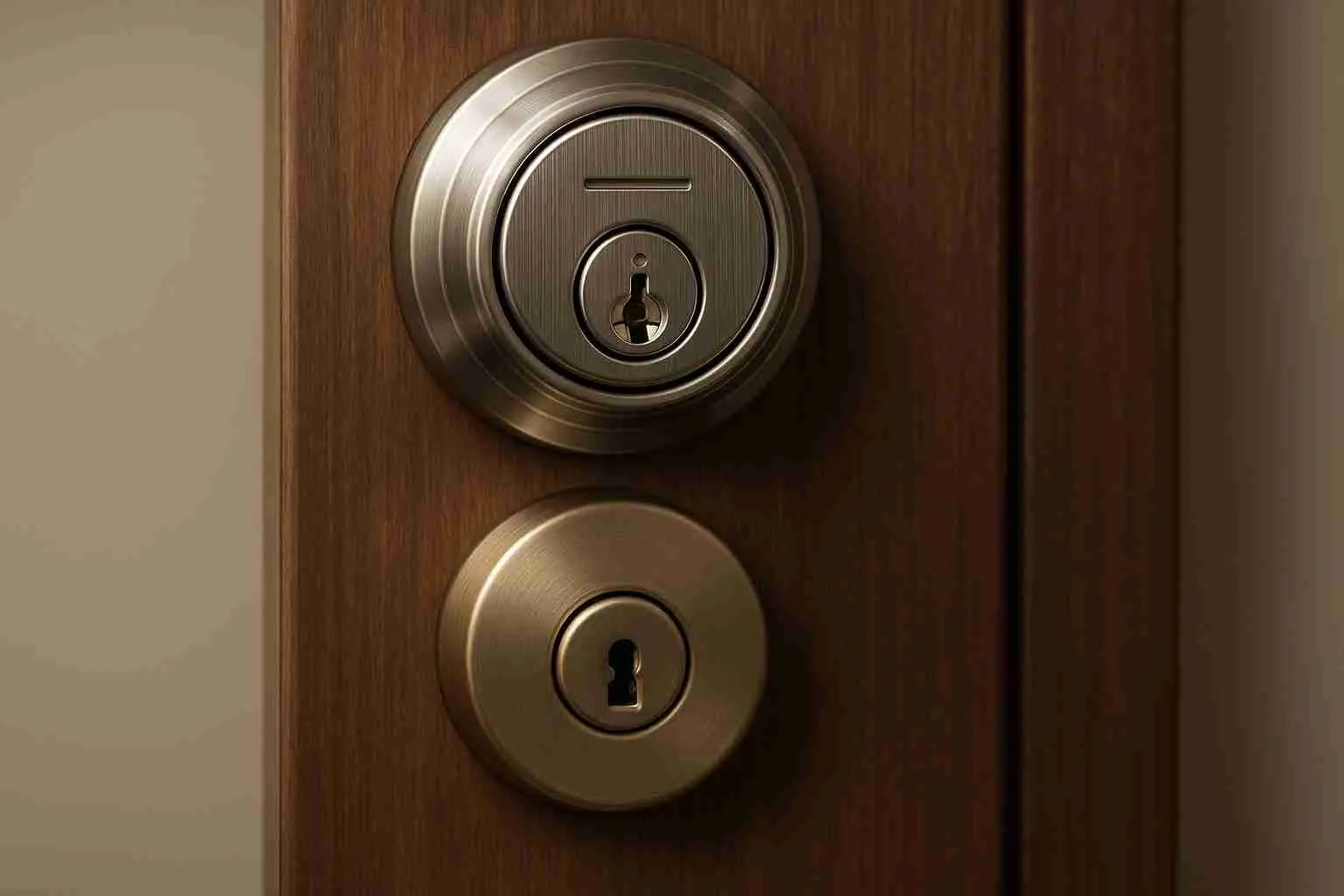
Typically, deadbolts are installed 6 to 12 inches above the doorknob or lever. For optimal security, measure 6 inches from the center of the doorknob to the center of the deadbolt. However, if your door features decorative hardware, you can extend this distance up to 12 inches.
To ensure the deadbolt functions effectively, it should extend at least 1 inch into the door jamb when locked.
Placement for Different Door Materials
The material of your door plays a crucial role in how a deadbolt is installed. Each type of door material has its own set of considerations:
- Wood doors: These are the most common and typically range from 1-3/8 to 1-3/4 inches thick, which accommodates most standard deadbolts.
- Fiberglass doors: Often built with a foam core, these require extra care during installation to ensure the deadbolt is securely supported.
- Steel doors: Installing a deadbolt on steel doors requires metal-cutting tools to properly create the necessary openings.
Securing Entry, Back, and Side Doors
Every exterior door, including the one connecting your garage to your home, should have a deadbolt for added security.
- Front doors: Place the deadbolt 6 inches above the handle and reinforce the door jamb to strengthen the typically weak 1/2-inch pine construction.
- Back and side doors: These are often targeted by intruders due to their lower visibility. If these doors feature glass panels or non-standard dimensions, choose a deadbolt that accounts for these factors. Reinforce the jamb and consider additional security measures.
For outward-opening doors, ensure the deadbolt fully extends when locked. Reinforce the strike plate and the hinge side using 3-inch to 3-1/2-inch coarsely threaded screws to secure them to the wall stud. Adding a metal strike-box can further protect against forced entry.
Lastly, garage entry doors should be treated with the same level of security as other exterior doors. These often-overlooked points of entry are just as vulnerable and deserve equal attention.
How to Install a Deadbolt
Installing a deadbolt correctly is crucial for improving your home's security. With the right tools and some patience, you can tackle this project yourself in just a few hours. The cost ranges from $40 to $200, depending on the type of deadbolt you choose.
Marking, Drilling, and Installing the Deadbolt
Start by gathering tools that are compatible with your door's material. Most deadbolt kits come with a paper template to guide your markings. Place the template at the recommended height specified in the installation guide. Mark the center of the deadbolt hole on the door's face and the latch hole on the door's edge.
Using a hole saw of the correct size, drill the main hole for the deadbolt. To avoid splintering, begin drilling from one side of the door and finish from the other side. For the latch hole, use a spade bit and drill straight until it meets the main hole.
Next, insert the latch assembly into the door edge. Trace around the latch plate and use a chisel to create a shallow recess so the plate sits flush with the door surface. Finally, follow the manufacturer’s instructions to install the exterior and interior components of the deadbolt. Ensure all screws are tightened securely, and test the mechanism to confirm it operates smoothly.
Strike Plate Alignment and Reinforcement
The strike plate plays a critical role in the deadbolt's effectiveness. For maximum security, the deadbolt must fit perfectly into the strike plate opening. Misalignment can weaken the door's protection.
To reinforce the door frame, remove any trim and attach a 3/4-inch by 6-inch steel reinforcement strap. This helps distribute force more evenly across the frame.
Fill any gaps behind the strike plate with wood strips or putty to strengthen the frame. Make sure the strike plate hole is deep enough for the deadbolt to extend fully, typically about 1 inch.
When attaching the strike plate, use long screws that penetrate at least 1 inch into the door frame stud. These longer screws provide better anchoring compared to the shorter ones often included in standard kits, making the door more resistant to forced entry.
If you notice any misalignment during testing, use chalk to mark the contact points on the deadbolt. Adjust the strike plate position as needed and fill old screw holes with wood filler. Once the filler dries, sand it smooth and drill new pilot holes for proper alignment.
DIY vs. Professional Installation
After installing the deadbolt and strike plate, you’ll need to decide whether to finish the project yourself or hire a professional.
If you’re comfortable with basic tools and instructions, a DIY installation is a manageable project that can be completed in a few hours. However, for those who prefer added peace of mind, hiring a professional locksmith might be the better option. Professionals bring specialized tools and expertise to handle various door materials and can identify potential security vulnerabilities that might go unnoticed.
For residents in the Albuquerque area, Roadrunner Lock and Key offers professional deadbolt installation and security consultations. Their 24/7 availability allows you to schedule a service that fits your needs, ensuring your deadbolt is installed with maximum effectiveness.
Common Deadbolt Placement Mistakes
Getting the placement of a deadbolt wrong can compromise both security and ease of use.
Improper Height
The height of a deadbolt plays a crucial role in its effectiveness. Ideally, deadbolts should be installed 48 inches from the bottom of the door frame. This standard, updated from the 60-inch height common in the 1990s, aligns with modern accessibility requirements. According to these standards, all operable parts of door hardware need to be positioned between 34 and 48 inches above the floor. However, placing the deadbolt at the upper limit of 48 inches can sometimes result in the thumbturn or cylinder exceeding the accessible operable height, which can make it difficult to use.
Double-check your measurements to ensure the deadbolt is both secure and user-friendly. Even small deviations can lead to operational problems or make the lock less accessible.
Misaligned Holes
Inadequate Reinforcement and Short Screws
Additional Door Security Measures
Once you've nailed the proper placement and installation of a deadbolt, it's time to think about additional reinforcements to strengthen your entry points. While a deadbolt is a key piece of the puzzle, it’s only as strong as the frame and hardware supporting it. In fact, studies reveal that over 70% of forced entries target weak frames or strike plates, and 34% of burglaries occur at front doors. This highlights the importance of reinforcing the entire door structure.
Reinforced Strike Plates and Door Jamb Armor
Reinforced strike plates are a game-changer when it comes to door security. They work by spreading the force of a kick or other impact across a larger section of the door frame, making it much tougher to break through. Standard strike plates often fall short because they’re secured with short screws that barely penetrate beyond the trim. Upgrading to heavy-gauge steel strike plates with four screw holes and 3-inch screws that reach the wall stud can increase resistance to forced entry by up to 10×. This simple upgrade pairs perfectly with a quality deadbolt.
Door jamb armor takes security a step further. These metal reinforcement kits are designed to strengthen the frame and hinge areas, which are the most common points of failure during a break-in. They’re particularly useful for exterior doors, doors with existing frame damage, or homes in areas with higher burglary rates.
A 2022 case study from Albuquerque tells a compelling story: a homeowner who installed a reinforced strike plate and door jamb armor successfully deterred an attempted break-in. Police credited the upgraded hardware as a key factor in withstanding the force.
For even more security, consider adding a security bar or door brace. These devices anchor the door to the floor, making it significantly harder to force open. They’re especially effective for sliding doors or as temporary reinforcements while traveling.
| Security Measure | DIY Cost (USD) | Professional Cost (USD) | Effectiveness Against Forced Entry |
|---|---|---|---|
| Standard Deadbolt | $25 to $60 | $75 to $150 | Moderate |
| Reinforced Strike Plate | $10 to $30 | $50 to $100 | High |
| Door Jamb Armor | $50 to $100 | $100 to $200 | Very High |
| Locksmith Evaluation | N/A | $100 to $250 | Comprehensive |
Benefits of Professional Locksmith Services
While DIY upgrades can make a big difference, professional locksmith services offer peace of mind by ensuring everything is installed correctly. A skilled locksmith can spot vulnerabilities that might go unnoticed and address common installation errors.
For example, Roadrunner Lock and Key in Albuquerque provides expert installation of deadbolts, reinforced strike plates, and door jamb armor for both homes and businesses. They also offer 24/7 emergency services, so whether you’re dealing with a break-in or just upgrading your security, help is always available.
An emerging trend in home security is the integration of smart deadbolts with reinforced hardware, installed by professionals. This combination offers both convenience and robust protection. Homeowners with non-standard doors or unique architectural designs often benefit from a comprehensive locksmith evaluation to tailor solutions to their specific needs.
In the United States, professional deadbolt installation typically costs between $75 and $200, with additional charges for reinforced hardware or other upgrades. Considering the financial and emotional toll of a break-in, this investment can pay off in the long run.
For the best results, experts recommend layering multiple security measures. Regularly inspecting and maintaining your door hardware, combined with periodic security assessments, ensures your door remains a strong barrier against unauthorized entry.
Key Points About Deadbolt Placement
Getting the placement of a deadbolt just right is all about balancing security, ease of use, and compliance with building regulations. Generally, deadbolts are positioned 6 to 12 inches above the doorknob for smooth operation and added security.
When it comes to accessibility, the Americans with Disabilities Act (ADA) sets clear guidelines. According to the ADA, door hardware, including deadbolts, should be installed between 34 and 48 inches above the floor. To meet these requirements, you’ll need to ensure both the lock cylinder and thumbturn are within this height range. This accessibility standard ties in with broader installation practices to create a user-friendly and compliant setup.
The Steel Door Institute recommends a standard height of 48 inches from the bottom of the door frame to the centerline of the strike plate. This guideline ensures uniformity and security across various applications. It complements earlier recommendations for precise deadbolt placement, reinforcing consistency in installation.
For homeowners and businesses in Albuquerque, professional services can make all the difference. Companies like Roadrunner Lock and Key specialize in deadbolt installation that adheres to local security codes and building regulations. Their expertise ensures that deadbolts are not only installed correctly but also integrated effectively into existing security systems. With proper installation, even the most robust deadbolt can perform at its best, offering maximum protection.
FAQs
What should I consider when deciding between single-cylinder, double-cylinder, and keyless deadbolts for my home?
When choosing a deadbolt, it’s important to weigh your security needs, door features, and the level of convenience you want. Here’s a quick breakdown of your options:
- Single-cylinder deadbolts: These are the go-to choice for many homeowners. They feature a keyhole on the outside and a thumb turn on the inside, making them simple to use. They’re best for doors without nearby windows, as windows could allow someone to reach in and unlock the door.
- Double-cylinder deadbolts: With a keyhole on both sides, these provide an added layer of security since they can’t be opened without a key, even from the inside. However, they might be less practical in emergencies, as they require a key to unlock from both sides.
- Keyless deadbolts: Perfect for those who value convenience, these modern locks use keypads or biometric entry systems. They’re especially handy for doors that are used frequently, eliminating the need for traditional keys.
When deciding, consider the door’s location, how secure it needs to be, and how often it’s in use. For exterior doors, focus on finding a balance between strong security and ease of use for everyone in your household.
What is the ANSI/BHMA grading system for deadbolts, and which grade is best for home security?
The ANSI/BHMA grading system evaluates deadbolts based on three key factors: durability, strength, and security. Deadbolts are classified into one of three grades: Grade 1, Grade 2, or Grade 3.
- Grade 1: This is the top tier, providing the highest level of security and durability. It's an excellent choice for residential use, particularly when safety is a primary concern.
- Grade 2: A reliable middle ground, offering a good mix of security and affordability, making it suitable for most homes.
- Grade 3: The basic standard, offering the least amount of protection.
For optimal home security, Grade 1 deadbolts are highly recommended, especially for entry doors or areas that need extra reinforcement.
What mistakes should I avoid when installing a deadbolt to maximize security?
To get the most out of your deadbolt and ensure your home stays secure, steer clear of these common pitfalls:
- Misaligned deadbolt and strike plate: When the deadbolt doesn’t line up perfectly with the strike plate, the lock’s strength is compromised, making it less effective.
- Using short or flimsy screws: Always opt for long, sturdy screws, at least 3 inches in length, that anchor deeply into the door frame and wall stud. This adds serious stability to your lock.
- Ignoring door frame reinforcement: A weak door frame can be an easy target for forced entry. Reinforce it with a heavy-duty strike plate and additional hardware to bolster its strength.
For optimal security, make sure the deadbolt sits flush against the door surface and that every component is tightly secured. A proper installation goes a long way in protecting your home.