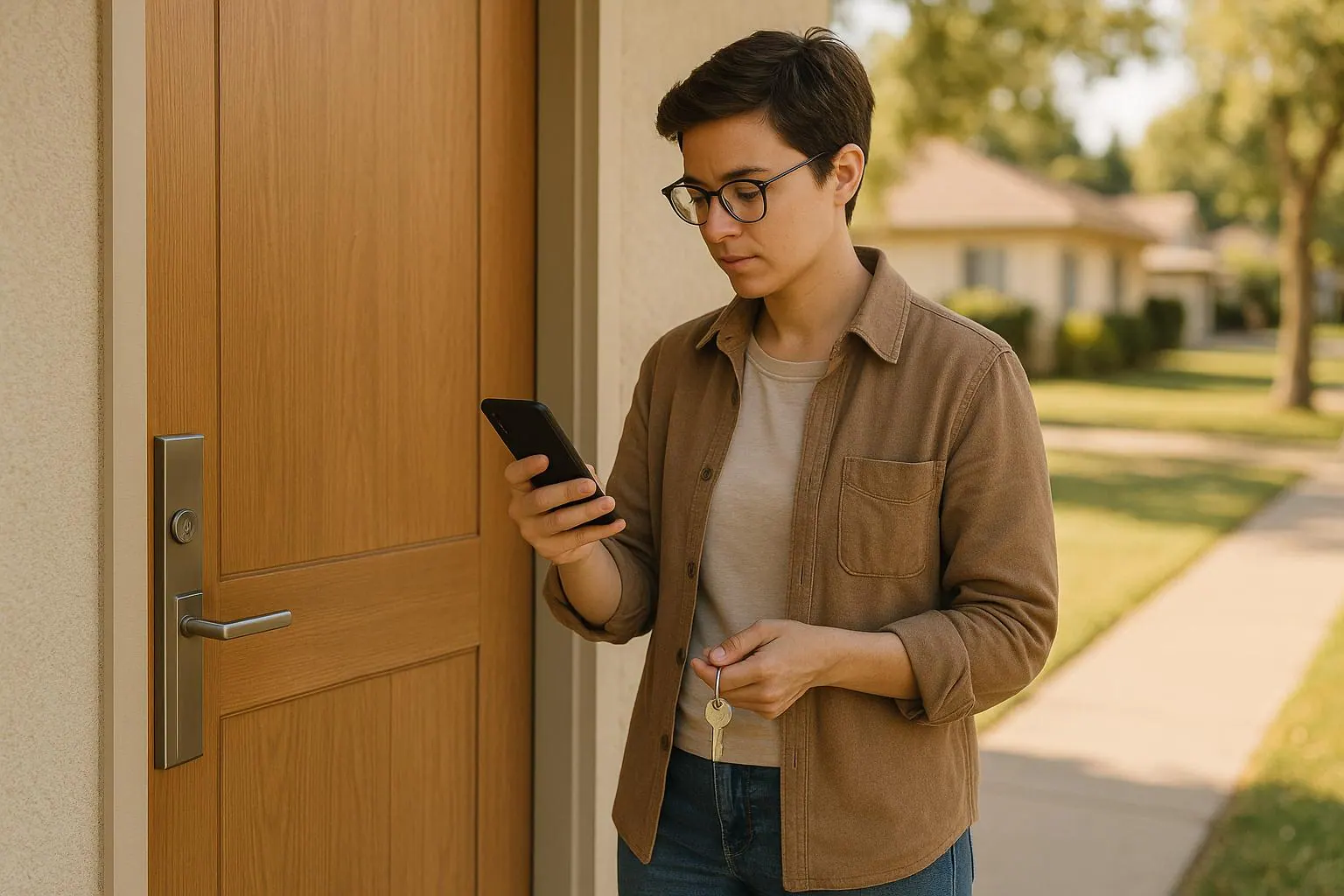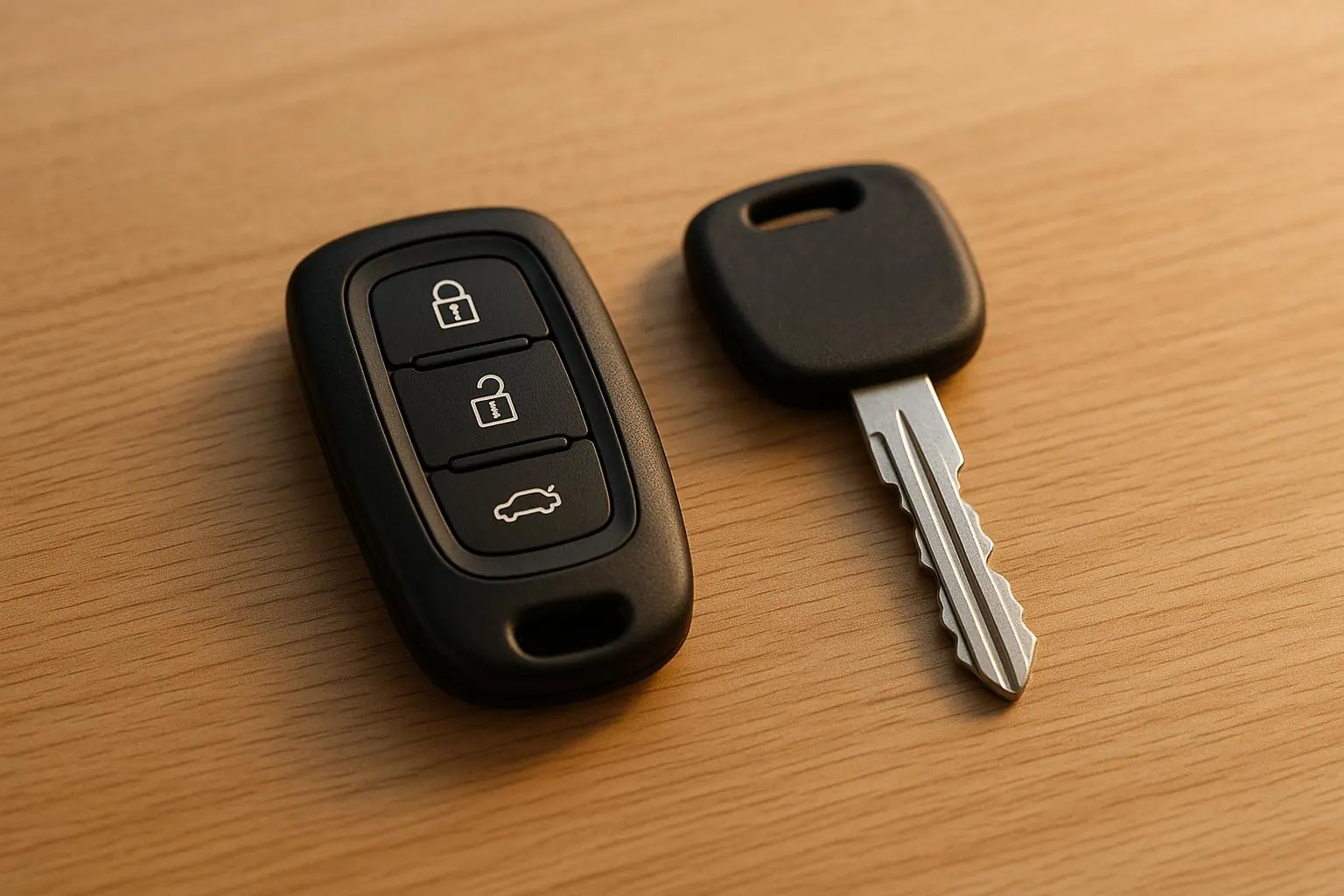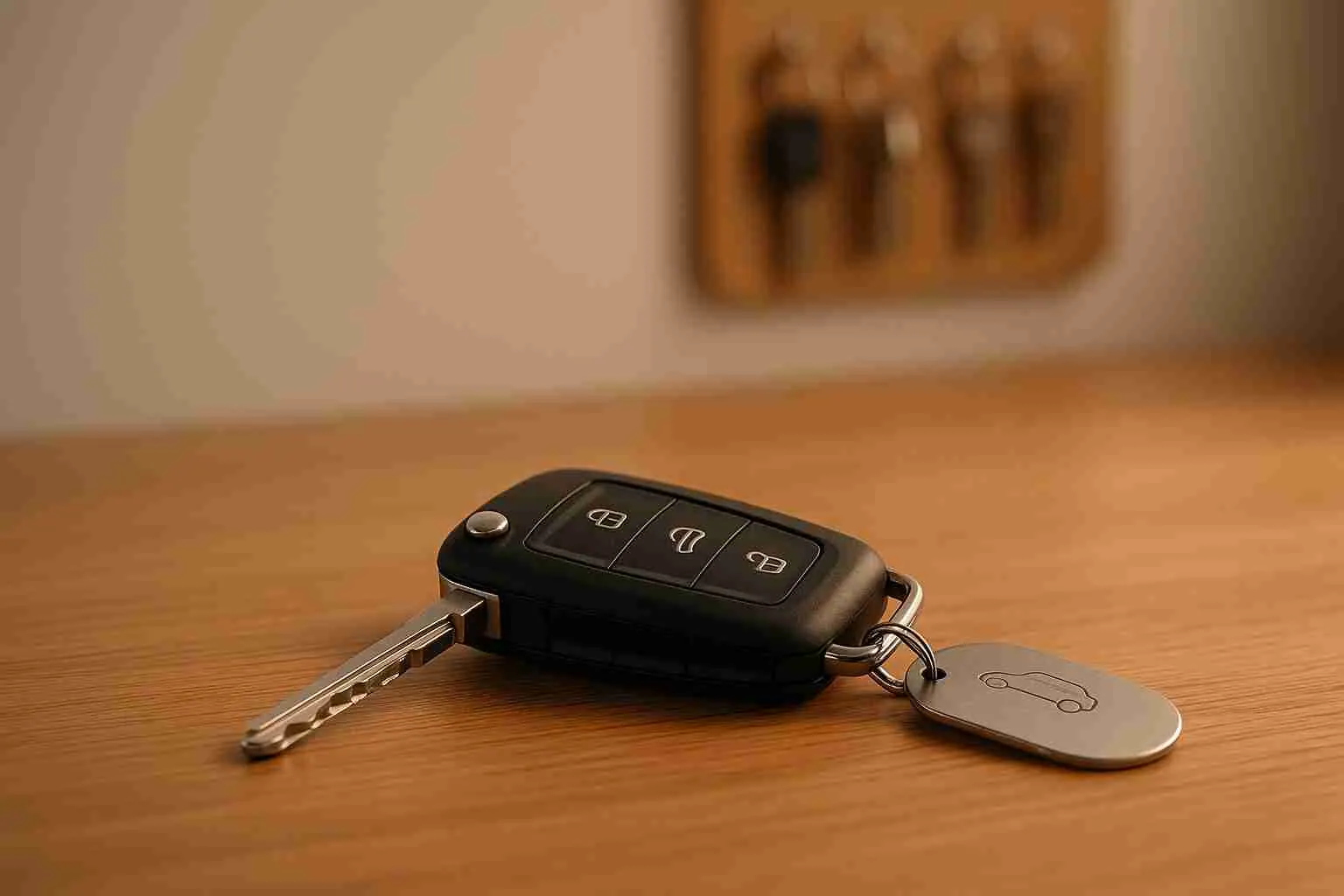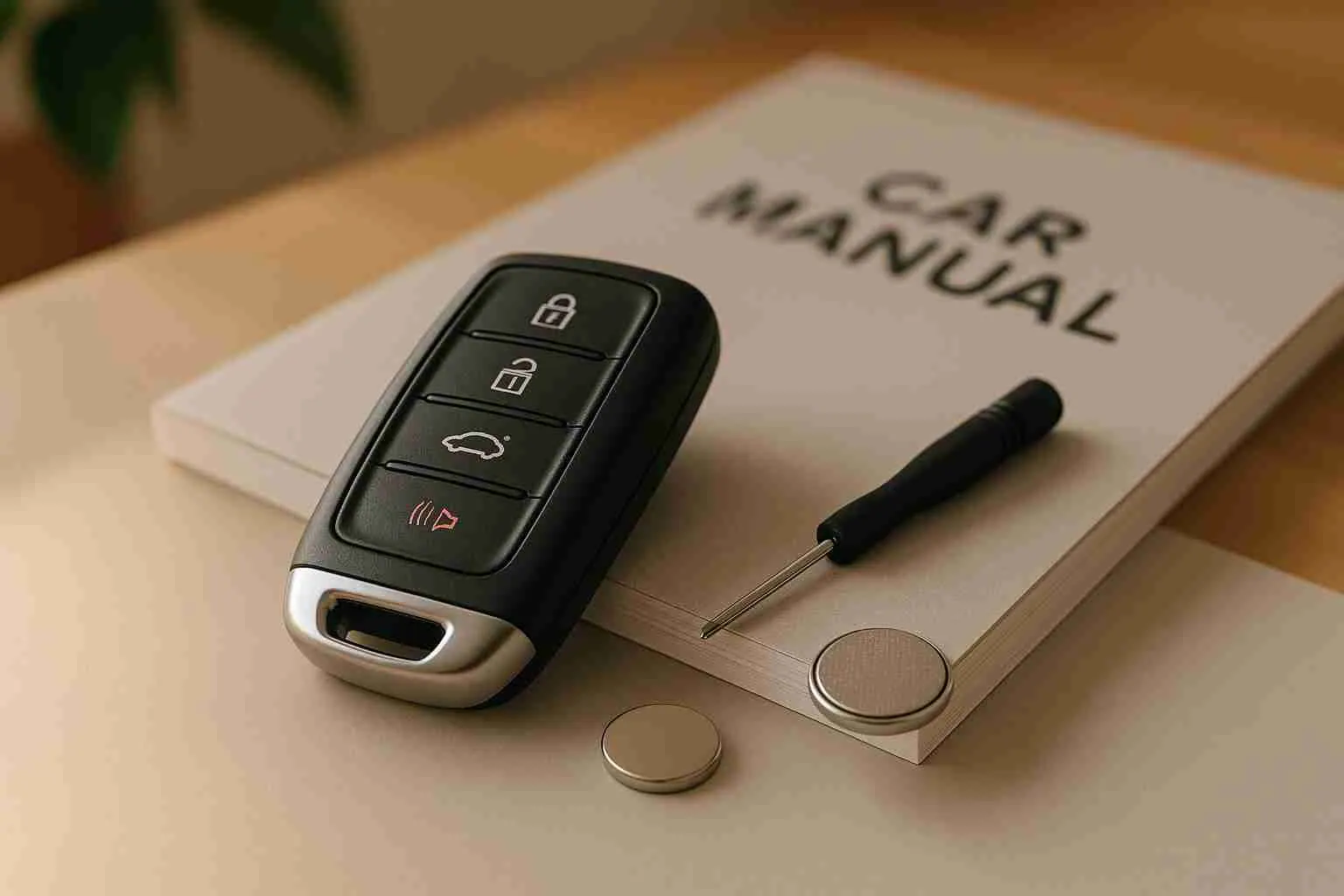
Avoiding home lockouts is easier than you think. With the right steps, you can save yourself time, stress, and money. Here’s a quick rundown of seven practical strategies to prevent getting locked out of your home:
- Keyless Entry Systems: Upgrade to smart locks with PIN codes, apps, or biometrics for easy access. Costs range from $100 to $800 depending on features.
- Professional Locksmith Services: Partner with trusted locksmiths like Roadrunner Lock and Key for rekeying, replacements, and 24/7 support.
- Spare Keys: Keep extra keys securely with a trusted person, in a lockbox, or in a discreet hiding spot. Basic copies cost $1 to $4.
- Daily Key Routine: Build habits like always placing your keys in a fixed spot or using a pre-departure checklist.
- Lock Maintenance: Regularly clean and lubricate locks to avoid mechanical failures. Supplies are inexpensive.
- Car-Stored Spare Key: Securely hide a spare house key in your car using a magnetic holder or lockbox.
- Hidden Spare Key on Property: Use creative hiding spots like fake rocks, lockboxes, or garden ornaments to store a backup key.
We tried 9 CRAZY ways to hide your key where no one will find it...
1. Install Keyless Entry Systems
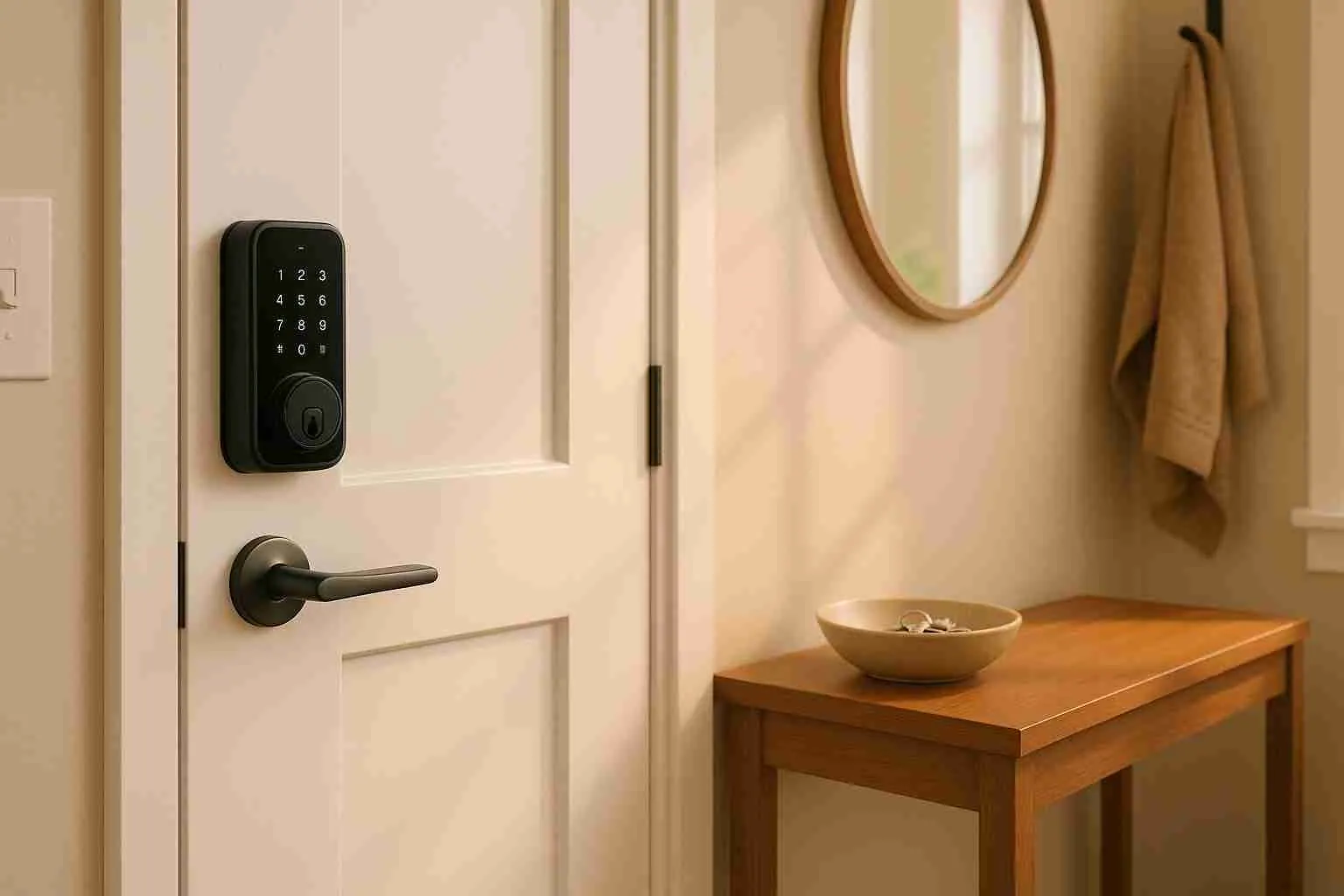
Keyless entry systems are a smart way to avoid the hassle of home lockouts by eliminating the need for traditional keys.
Effectiveness in Preventing Lockouts
These systems provide multiple ways to access your home, such as PIN codes, smartphone apps, biometric scanning (like fingerprints), and even remote access. This flexibility ensures you always have a backup method to get inside. Many models also include features like auto-locking, which secures your door after a set time, and temporary access codes for guests or service providers, so you can skip the old habit of hiding spare keys under the mat .
"With keyless entry, that stress disappears. Better yet, you'll be able to lock and unlock multiple doors without having to guess and check which key works."
When choosing a system, it's important to weigh the costs against your security needs to find the best fit.
Cost Considerations
The price of keyless entry systems depends on the type of lock and its features:
| Lock Type | Price Range |
|---|---|
| Keypad Smart Locks | $100 to $300 |
| Bluetooth Smart Locks | $150 to $400 |
| Wi‑Fi Smart Locks | $200 to $500 |
| Biometric Smart Locks | $300 to $800 |
If you opt for professional installation, expect to spend an additional $100 to $200. However, many people can install these locks themselves, with accessory costs ranging from $10 to $30. If new tools are required, that could add $50 to $200. Advanced features like premium app controls (around $5 to $15 per month) or voice assistant integration (an extra $50 to $100) can also increase the overall expense.
Security and Safety Implications
Smart locks come with strong encryption and digital authentication, making them much harder to exploit than traditional locks, which are vulnerable to lock picking, bumping, or key duplication. Plus, many systems offer real-time access logs, so you can see exactly who has entered your home and when.
"Keyless entry systems offer a modern solution and eliminate these risks. Homeowners can enjoy peace of mind knowing their homes are better protected."
To keep your system running smoothly, regular maintenance is key. Replace the batteries every six months, check that your door is properly aligned for the deadbolt to move freely, and update the software as needed. For added security, use strong, unique access codes, change them periodically, enable two-factor authentication if the feature is available, and keep your system's firmware up to date .
2. Contact Roadrunner Lock and Key Services in Albuquerque, NM
Having a reliable locksmith on hand can save you from unexpected headaches. Roadrunner Lock and Key Services offers more than just emergency solutions, they help you build a lockout-proof home and ensure peace of mind.
Preventing Lockouts the Smart Way
Roadrunner Lock and Key is available 24/7 for residential lockout emergencies in Albuquerque and surrounding areas. Beyond emergencies, they provide services like rekeying locks, replacing deadbolts and doorknobs, and even key fob replacement and programming. These preventive measures are designed to reduce the chances of future lockouts.
With 132 Google reviews, their efficient service has earned them a solid reputation. Whether it’s the middle of the night or a busy weekday, their team ensures you’re not locked out for long.
"I can't say enough about Roadrunner... They saved my day by being quick and responsive and I made my flight.", Trudy Anderson
Their dependable service makes it easier to address lockout issues and focus on prevention.
How to Get Started
Getting in touch is simple. Call Roadrunner Lock and Key at (505) 347-2895 or email them at rrlockout1@gmail.com. As an insured locksmith service, they can evaluate your current locks and suggest upgrades tailored to your lifestyle, whether that means installing new locks, rekeying existing ones, or integrating smart lock technology.
"Cisco is a prime example of customer service... He's fast and reliable. Would recommend!", Tracy Dingmann
Their expertise seamlessly fits into your lockout prevention plan.
Transparent Pricing
Roadrunner Lock and Key keeps things straightforward: you get the price on the phone before anyone drives out. This transparency ensures you know what to expect, helping you plan for preventive services without surprises.
Investing in these services can save you money in the long run. Regular maintenance and upgrades often cost less than emergency lockout services, and many customers praise their fair pricing.
"Super fast and friendly service! Reasonable as well! YOU ROCK!", Margaret Hernandez
Strengthening Security and Convenience
Using Roadrunner Lock and Key’s services not only prevents lockouts but also enhances your home’s security. Rekeying and lock replacement help block unauthorized access, while their key fob services ensure your systems stay updated. Keeping your vehicle and home access systems in sync minimizes the chances of lockouts, creating a more seamless and secure routine.
3. Make Spare Keys
Even with advanced entry systems and professional locksmith services, having a traditional spare key is still a smart backup plan. A spare key can save you from the hassle of being locked out and help you sidestep expensive emergency locksmith fees.
Effectiveness in Preventing Lockouts
Spare keys are a practical solution, but they need to be stored securely. Avoid obvious spots like under a doormat or inside a flower pot. Instead, opt for less predictable locations to keep your home secure.
Ease of Implementation
Getting a spare key made is quick and easy. Most hardware stores, locksmiths, and even some grocery stores offer key-cutting services. This simple step complements other preventive measures and ensures you're prepared for unexpected lockouts.
Cost Considerations
Spare keys are affordable, with basic copies typically costing between $1 and $4. Here's a quick look at common price ranges:
| Key Type | Cost Range |
|---|---|
| Basic door or car key | $1 to $4 |
| Decorative key | $3 to $10 |
| High-security key | $8 to $20 |
| Code-cut key | Around $5 |
Planning ahead with spare keys can save you from the higher costs of emergency services, and hardware stores usually offer the best prices.
Security and Safety Implications
While spare keys are convenient, they require thoughtful handling to avoid security risks. Consider these safer alternatives:
- Entrust a neighbor or friend: Give a spare key to someone you trust who lives nearby.
- Use a lockbox: Secure a key in a combination lockbox placed discreetly on your property.
- Creative hiding spots: Try inconspicuous options like a fake sprinkler head or a decoy birdhouse.
Avoid carrying a spare key in your wallet, as losing it could expose both the key and your address to potential theft. If you suspect your keys have been stolen, contact local law enforcement immediately and think about re-keying your locks for added security.
4. Follow a Daily Key Routine
While advanced locks and spare keys are helpful, building a daily habit around your keys is one of the easiest and most effective ways to avoid lockouts.
Why a Routine Works
A daily key routine helps eliminate human error. When you create consistent habits, checking for your keys becomes second nature. This reduces the likelihood of forgetting them during hectic or stressful moments.
How to Create Your Routine
Setting up a key routine is simple and doesn’t require much effort. Start by identifying a few key actions that fit naturally into your daily schedule. Here’s how to get started:
- Choose a fixed spot for your keys: Pick a location near your main entrance where keys will always go. This could be a hook, a small dish, or a designated drawer. Make sure everyone in the household uses it consistently.
- Create a pre-departure checklist: Before leaving the house, make it a habit to confirm you have your keys. Think of it as second nature, like checking for your phone or wallet.
- Use reminders and pair with habits: Set smartphone alerts or tie the habit to something you already do daily. For example, check for your keys right after brushing your teeth or locking the door.
"Make it a life habit to confirm you have your keys before closing the car or house door. Do it even when you think you don't need to.", C.S. Friedman
Cost and Convenience
The best part? A key routine is free. You won’t need to invest in expensive gadgets or systems. If you want to enhance your routine, consider small purchases like a key hook or storage tray. These can add both functionality and a touch of style to your home without breaking the bank.
Added Security Benefits
A consistent key routine doesn’t just prevent lockouts, it also reduces the chances of leaving keys in unsafe places. Involve everyone in your household to ensure the system works smoothly for all.
Be prepared to adapt your routine as schedules or circumstances change. For example, you might need to adjust your habits during busy periods or emergencies. Over time, these small adjustments will make your routine even stronger.
"Consistency is most important.", David Tzall, PsyD
5. Keep Your Locks in Good Condition
Keeping your locks in good shape is a simple yet powerful way to avoid getting locked out. When locks are properly maintained, they work smoothly, reducing the chances of keys jamming or locks failing unexpectedly. Just like having a spare key or using keyless systems, maintaining your locks is a key part of staying prepared.
"A well-maintained lock is less likely to fail unexpectedly, reducing the risk of lockouts. Regular maintenance ensures that locks function properly, and keys turn smoothly, preventing frustrating and potentially dangerous lockout situations."
Effectiveness in Preventing Lockouts
Mechanical failure is one of the leading causes of home lockouts. Over time, dirt, debris, and rust can build up inside a lock, causing components to jam. This contributes to the staggering 16,000+ daily lockouts in America. Regular maintenance helps catch these issues early, giving you a chance to fix them before a complete breakdown occurs.
Ease of Implementation
Taking care of your locks is easier than you might think. Start by cleaning the exterior with a damp cloth and use compressed air to clear out any debris from the keyhole. When it comes to lubrication, opt for a graphite-based lubricant instead of oil-based ones, which tend to attract dirt. Just apply a small amount to your key, insert it into the lock, and turn it a few times to distribute the lubricant evenly.
"Regular cleaning and lubrication every 3-6 months is recommended to keep your locks operating like new.", Master Lock
Pay attention to warning signs like difficulty turning the key, sticking, rust, strange noises, or the lock cylinder moving when you insert the key. These are red flags that your lock may need immediate attention to prevent failure.
Cost Considerations
Lock maintenance is very affordable. Basic supplies like a damp cloth and compressed air are inexpensive, and proper care can extend a lock’s lifespan. On average, locks last about seven years with regular use, but consistent maintenance can delay the need for costly replacements.
Security and Safety Implications
Maintaining your locks isn’t just about avoiding lockouts, it’s also about keeping your home secure. A lock that’s difficult to operate might tempt you to leave a door unlocked, which compromises safety. Additionally, worn-out locks are easier for intruders to tamper with. To avoid unnecessary stress on your locks, check your door alignment. If the door sags or doesn’t close smoothly, adjust the hinges or strike plate to ensure proper alignment.
Don’t ignore worn or damaged keys, either. Using them can wear down the internal components of the lock, like pins and springs, leading to eventual failure. Replacing a key is often much cheaper than dealing with a broken lock mechanism. Taking these small steps can save you time, money, and frustration in the long run.
6. Keep Spare Keys in Your Car
Having a spare house key in your car can be a lifesaver if you ever find yourself locked out. When done securely, this strategy adds an extra layer of convenience and preparedness to your lockout prevention plan.
Effectiveness in Preventing Lockouts
Pairing a car-stored spare key with indoor spares strengthens your readiness for unexpected lockouts. This approach is particularly handy if you're near your car when locked out of your house. The convenience of retrieving a key from your vehicle depends on your parking habits, if your car is parked in your driveway or close by, it’s an efficient solution.
Ease of Implementation
Setting up this backup plan is simple. Start by making a spare key and selecting a secure hiding spot in or on your car. Avoid obvious places like sun visors, glove boxes, or under floor mats, as these are the first spots thieves check. Instead, consider using a magnetic key holder that can be attached to a concealed area under the car’s frame or behind the bumper. Ensure the holder is weather-resistant and securely fastened.
For cars with keyless entry systems, take precautions to prevent signal theft. Wrapping the key in foil can block unauthorized transmissions, though a more durable option is an RFID or Faraday bag, which offers better protection and convenience.
Cost Considerations
Magnetic key holders are affordable, typically priced around $12.99. Beyond the initial cost, you might only need to replace the spare key occasionally. However, keep in mind that magnetic holders can sometimes detach from the vehicle, which could lead to additional costs, though still far less than hiring a locksmith in an emergency.
Security and Safety Implications
While storing a spare key in your car is convenient, it comes with some security risks. A key left in your vehicle could attract thieves, and registration papers inside the car might reveal your home address.
Thieves often search common hiding spots like bumpers or wheel wells, so avoid these areas. To improve security, periodically change the hiding spot and consider using a combination-lock key holder. This adds an extra layer of protection. Also, ensure the key is stored in a place that shields it from harsh weather, dirt, or moisture while keeping it well-hidden.
In 2019, Thatcham introduced a security rating for keyless entry vehicles, assessing their vulnerability to relay theft. Cars like the Audi e-tron, BMW 1 Series, Ford Puma, and Jaguar XE received high marks for security. In contrast, models such as the DS3 Crossback, Ford Mondeo, Kia ProCeed, and Toyota Corolla were rated poorly. This highlights the importance of considering the security features of your car when implementing this strategy.
7. Hide Spare Keys on Your Property
Keeping a spare key hidden on your property can save you from the hassle of being locked out, offering quick access without needing assistance from others.
Effectiveness in Preventing Lockouts
A well-hidden spare key can be a reliable backup for avoiding lockouts, especially if you choose the right spot and method. It’s a convenient solution for homeowners who spend a lot of time outdoors or frequently use side or back entrances. This way, you don’t have to depend on neighbors or try to remember where you might have left your car keys. The trick is to pick a location that isn’t obvious and to use creative concealment techniques. For example, you could hide the key inside a fake rock, a garden ornament, or even a disguised birdhouse to keep it out of plain sight.
Ease of Implementation
Setting up a hiding spot for your spare key is straightforward. You can use items like a fake sprinkler head, a lockbox tucked under the eaves or inside a garden shed, a loose brick along a pathway, or a waterproof container placed in an out-of-the-way spot like a gutter downspout. These options are simple to implement and can blend seamlessly into your property.
Cost Considerations
Hiding a spare key doesn’t have to break the bank. Most solutions are affordable, with prices typically under $40. You can find basic lockboxes online ranging from $6 to $40, which is often cheaper than a single locksmith visit. As one security expert puts it, "Key safes can be installed for about the same price as one visit from a locksmith."
Security and Safety Implications
While hiding a key outside your home can be convenient, it’s essential to do it securely. Choose spots that aren’t too obvious and use methods like magnetic containers attached to metal surfaces, such as grills, downspouts, or fences, or waterproof containers buried discreetly. Make sure to periodically check the hiding spot to ensure the key is still there and in good condition.
If you’re concerned about security, consider leaving your spare key with a trusted neighbor or hiding it a short distance from your home in a place you’ll easily remember.
"It is dangerous to keep a spare key outside your house if not done well. However, with hidden places and safe boxes, you can store keys without fear."
Conclusion
Home lockouts don’t have to be a recurring headache. The strategies we’ve discussed, from keyless entry systems to smart spare key solutions, offer practical ways to avoid the stress and cost that come with being locked out.
Even adopting one or two of these tips can make a noticeable difference. For instance, building the habit of double-checking for your keys before stepping out can prevent many accidental lockouts. From there, you might explore upgrading to a smart lock or setting up a secure spare key solution that aligns with your lifestyle.
The financial benefits are clear, too. With locksmith visits averaging around $100, investing in preventive measures is a smart move. Regular maintenance, like ensuring your locks work smoothly and addressing any sticking mechanisms, can help you avoid unexpected malfunctions. Catching early signs of wear can save you from a complete lock failure at the worst possible time.
Beyond convenience, these steps also boost your home’s security. Features like smart locks, thoughtfully placed spare keys, and well-maintained locks don’t just prevent lockouts, they help create a safer living environment.
Making these habits part of your daily routine is key. Whether you decide to consult a professional locksmith service like Roadrunner Lock and Key Services for upgrades and maintenance, or prefer to handle simpler solutions yourself, the important thing is to start now. By taking action today, you’re not just preventing future lockouts, you’re investing in peace of mind.
Choose one or two strategies that suit your needs and put them into practice this week. These small steps can save you time, stress, and money down the road.
FAQs
What are the benefits of using a keyless entry system to prevent getting locked out of your home?
Keyless entry systems bring a mix of convenience and security that can help you avoid the hassle of home lockouts. Since these systems don’t depend on physical keys, there’s no need to worry about misplacing or forgetting them. Many even offer remote access, allowing you to lock or unlock your door straight from your smartphone, no matter where you are.
They’re also handy for managing access. You can create temporary codes for guests, house sitters, or service providers, eliminating the need to hide spare keys or track them down later. On top of that, modern keyless systems often come equipped with encryption and tamper-resistant features, offering extra protection for your home and greater peace of mind.
What’s the best way to securely store a spare key at home or in your car?
Keeping your spare key safe means steering clear of predictable hiding places like under doormats, inside flower pots, or on top of door frames. A smarter option is using a lock box with a combination code, placed somewhere out of plain view. If you prefer keeping a spare key in your car, make sure it’s stored in a hidden compartment or a secure container, not left out in the open. For a more modern solution, consider upgrading to smart locks. These let you ditch physical keys altogether, adding both convenience and an extra layer of security. The key is to choose methods and locations that don’t draw unnecessary attention.
What can I do to maintain my door locks and reduce the chances of getting locked out?
Keeping your locks in top shape is all about regular maintenance, which also helps reduce the chances of getting locked out. Begin by cleaning the lock mechanism with either compressed air or a soft, damp cloth to get rid of dust and debris. Next, apply a silicone-based lubricant to the moving parts to keep everything operating smoothly. Make it a habit to inspect for signs of wear, damage, or loose hardware, and tighten or replace any problem areas as needed. To stay ahead of potential issues, consider having a professional inspect your locks every year or two. This extra step can help ensure your locks remain dependable over time.