Emergency Services15 min read
Lost Car Keys? Here's How to Get Replacements

By Roadrunner Lock and Key ·
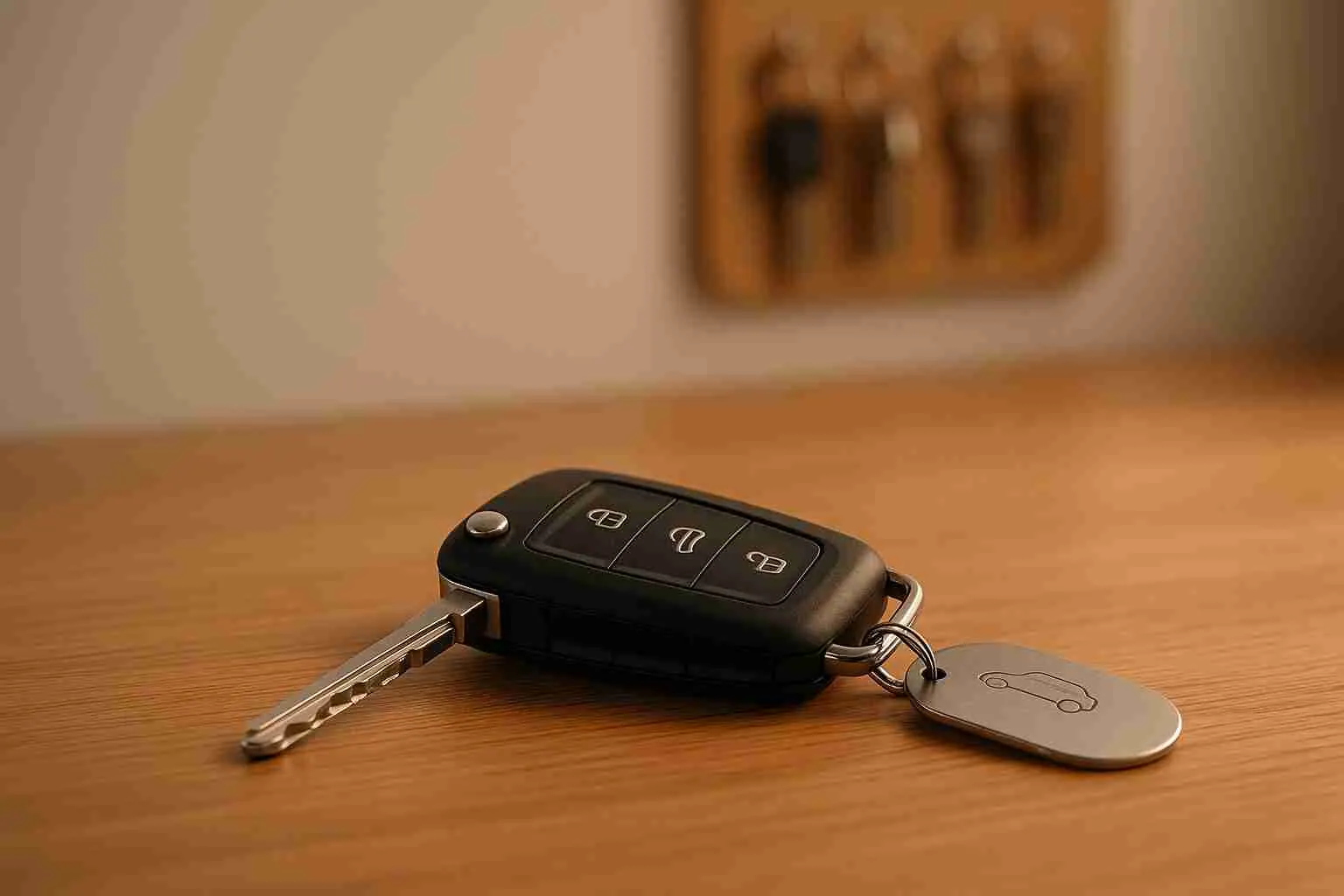
Losing your car keys is frustrating, but replacing them doesn’t have to be overwhelming. The process depends on the type of key you’ve lost, whether it’s a basic metal key, a transponder key, or a smart key. Here’s a quick breakdown of what you need to know:
- Basic Metal Keys: Simple and inexpensive to replace (around $10). A locksmith can cut these keys quickly using your car’s VIN.
- Transponder Keys: Contain a chip that needs programming. Replacement costs range from $100 to $250 and take 30 to 60 minutes.
- Smart Keys/Key Fobs: Offer advanced features like keyless entry and push-button start. Replacing them can cost $150 to $500 and may require specialized equipment.
What to Do:
- Search Thoroughly: Retrace your steps and check common places like pockets, bags, or countertops.
- Identify Your Key Type: Knowing your car’s make, model, and year helps determine the replacement process.
- Gather Documents: You’ll need your VIN, proof of ownership (like registration or insurance), and a government-issued ID.
- Choose a Service: Contact a locksmith for faster, cost-effective help or visit a dealership for advanced key systems.
Costs:
- Basic keys: $10 to $100
- Transponder keys: $100 to $250
- Smart keys: $150 to $500
To prevent future headaches, consider making a spare key and using Bluetooth trackers like Tile or AirTag to keep tabs on your keys. If you lose them again, you’ll be prepared!
On the job, Replacing Lost Car Key, Decoded, Cut, & Programmed
Types of Car Keys and How They Work
Knowing what kind of car key you've lost is a key first step, as each type has its own replacement process and costs. Modern car keys combine physical design with electronic features, making them far more complex than older keys.
"Understanding different types of car keys helps car owners make informed decisions regarding key replacements or upgrades.", KeyMe Locksmiths
The introduction of advanced technology in car keys has significantly improved vehicle security. Since transponder technology was introduced in 1995, car thefts in the U.S. have dropped by more than 40%. Today, every car manufacturer incorporates transponder systems, meaning most modern vehicles rely on more than just a simple metal key. Here's a breakdown of the most common car key types, their features, and what to expect when replacing them.
Basic Metal Keys
Basic metal keys are the simplest and oldest type, typically used in vehicles made before the mid-1990s. They work by matching the cut of the metal blade to the tumblers in your car's ignition lock. When the cuts align properly, the car starts.
Replacing these keys is straightforward and inexpensive. A locksmith can cut a new key using your vehicle identification number (VIN) or a spare key, often for as little as $10. However, these keys offer minimal security because they are easy to duplicate.
Transponder Keys
Transponder keys resemble basic metal keys but include a microchip embedded in the handle for added security. This chip communicates with your car’s ignition system by transmitting a unique code, which the car’s computer must verify before the engine starts. Without the correct code, the car remains immobilized.
Replacing a transponder key involves two steps: cutting the metal portion to match your car's locks and programming the chip to work with your vehicle. This process usually takes 30 minutes to an hour, depending on your car's make and model.
Key Fobs and Smart Keys
Key fobs and smart keys represent the latest in car key technology. A key fob acts as a remote control for locking and unlocking doors, starting the engine, and even opening the trunk. These devices use encryption to prevent unauthorized access.
Smart keys take this convenience a step further with proximity sensors. These allow drivers to unlock and start their cars without inserting a key. As long as the smart key is nearby, the car recognizes it and enables keyless entry and ignition.
Some smart keys even include personalized settings, like adjusting seat positions, steering wheel height, and climate controls based on the key being used.
However, replacing smart keys and key fobs is more complicated and costly due to their advanced electronics and programming requirements. Replacement can cost up to $500 and often requires specialized equipment available only at dealerships or highly skilled locksmiths.
| Key Type | Programming Required | Typical Replacement Time | Security Level |
|---|---|---|---|
| Basic Metal Keys | No | 5 to 15 minutes | Low |
| Transponder Keys | Yes | 30 to 60 minutes | Medium |
| Key Fobs/Smart Keys | Yes | 1 to 3 hours | High |
While key fobs can be customized with various designs and features, this customization may also mean that replacement parts must be ordered specifically for your vehicle. As a result, the replacement process could take longer than expected.
What to Do Right After Losing Your Keys
Losing your car keys can be incredibly frustrating, but staying calm is key (pun intended). Start by retracing your steps to figure out where you might have left them. Check common places like your pockets, bags, countertops, or even under your car. These simple actions can save you time and effort before moving on to the next steps.
Identify the Type of Key You Lost and Search for a Backup
Before reaching out for professional help, it’s crucial to know what kind of key you’ve lost. This will make the replacement process much smoother. The age of your car can give you a clue: cars from the late 1990s and early 2000s typically use transponder keys, while models from the mid-2000s often rely on remote key fobs. If your vehicle is newer, chances are it uses a smart key.
If you have a spare key, inspect it for features like buttons, casing, or embedded chips to confirm its type. Don’t forget to check your owner's manual and look in usual storage spots for any backups.
Gather the Necessary Documents
To replace your key efficiently, you’ll need to have some important paperwork ready. Start by locating your Vehicle Identification Number (VIN), which can usually be found on the dashboard, door frame, or in your registration documents. You’ll also need proof of ownership, such as your vehicle title, registration, or insurance card. Make sure you have your driver's license or another form of government-issued ID to verify your identity.
Knowing your car’s make, model, and year is also essential, as this helps locksmiths determine the right key and programming requirements. Some vehicles might need additional details like key fob serial numbers or electronic key codes, so bring any spare keys you have, just in case.
Contact Roadrunner Lock and Key
Once you’ve gathered everything, call Roadrunner Lock and Key. Their 24/7 emergency service can verify your ownership quickly and send the right technician to help you regain access to your vehicle.
Ways to Replace Your Car Keys
Once you've gathered your documents and identified your key type, it's time to decide how to replace your car keys. You generally have two main options: hiring a locksmith or heading to a car dealership. Each choice has its perks and challenges, so pick the one that best fits your situation.
Hiring a Locksmith
Automotive locksmiths are a practical and cost-effective option for replacing or duplicating car keys, even if you don't have the original. They can work with nearly any make, model, or vehicle age. This versatility makes locksmiths especially helpful for older vehicles that dealerships might not support.
One major benefit of locksmiths is their convenience. For instance, Roadrunner Lock and Key offers 24/7 emergency services in Albuquerque and gives you a real arrival time when you call. They also serve towns farther out, such as Los Lunas (roughly 30 minutes from their Albuquerque shop by car) and Santa Fe (roughly 70 minutes). Quick service like this is a lifesaver when you're stranded.
"Specializing in lockouts, rekeying, and key fob replacements, Roadrunner Lock and Key saves the day during emergencies."
The locksmith process usually involves finding your key code (if all keys are lost), cutting a new key, and programming it to your vehicle. Make sure to provide all necessary vehicle details. Once the key is ready, it's essential to test it to confirm it works correctly.
Locksmith services are often more budget-friendly than dealerships. For example, traditional keys generally cost around $90, while key fobs average about $220. However, prices can increase for emergencies or luxury models.
Take this example: In September 2024, a customer named Justine JMKP shared that Roadrunner Lock and Key programmed a replacement key for their parents' truck the day after the original was lost. Another provider had quoted $550 for the same service, but Roadrunner completed the job for less than half the price.
If you’re leaning toward a dealership for brand-specific expertise, keep reading to weigh your options.
Going to a Car Dealership
For vehicles with advanced security systems, dealerships might be the better choice. They have direct access to manufacturer specifications and the tools needed for the latest key technologies. This expertise can be valuable if your car uses a complex or highly secure system.
However, dealerships often come with higher costs. Programming a new key at a dealership typically ranges from $150 to $400, compared to $50 to $100 for copying a key fob through a locksmith. On top of that, dealership services can take longer. Ordering and programming processes often mean waiting several days, or even weeks. You'll also need to bring your car to their location during regular business hours, which may not be ideal in an emergency.
Your decision ultimately depends on your priorities. If you need quick, affordable service, a locksmith like Roadrunner Lock and Key is likely your best bet. But if you're okay with waiting and prefer brand-specific expertise (and possibly a warranty), a dealership might be the way to go. Whichever route you choose, consider getting a spare key made to avoid future headaches.
How Much Car Key Replacement Costs and What Documents You Need
Once you’ve decided on a replacement method and gathered the necessary paperwork, understanding the costs and required documents is the next step. The price of replacing a car key largely depends on the type of key and your vehicle’s specifications, while having the right paperwork ensures the process goes smoothly.
Replacement Costs by Key Type
The cost of replacing a car key varies depending on the technology involved. For a basic metal or remote key, you’re looking at prices between $18 and $100.
Transponder keys, which include a microchip that communicates with your car’s immobilizer system, are more expensive, typically ranging from $100 to $250. If you have a smart key or key fob, offering features like keyless entry and push-button start, you can expect to pay more, with costs generally falling between $150 and $513.
Your car’s make, model, and year can also influence the price. Luxury or high-end vehicles often require proprietary key systems and specialized programming, which can significantly increase costs. On top of the base price, programming fees might add $50 to $200 for immobilizer chips and $125 to $500 for remote transmitters. If your vehicle is older and doesn’t use transponder technology, replacing a basic key might only cost $10 to $15, though replacing all keys could run around $150.
With these costs in mind, it’s essential to have the proper documents ready to confirm ownership and streamline the process.
Documents You Must Bring
Having the right documentation is crucial for verifying ownership and speeding up the replacement process. Your driver’s license serves as the primary form of identification.
The most important ownership document you’ll need is your vehicle registration, as it directly links you to the car. Additionally, your vehicle identification number (VIN) is required for accurate key programming. You can usually find the VIN on the dashboard, inside the door frame, or in your vehicle paperwork.
To be fully prepared, bring your driver’s license, vehicle registration, VIN, and, if necessary, the title or purchase documents. Dealerships, in particular, often require proof of ownership before programming a new key fob.
Gathering your car’s make, model, year, and these documents will ensure the process is as quick and hassle-free as possible.
How to Avoid Losing Your Keys Again
Once you've replaced your lost key, the next step is to make sure it doesn't happen again. It's no secret that Americans spend a lot of time searching for misplaced keys, but with a little organization and some smart tools, you can save yourself the hassle and frustration in the future. Here's how you can keep better track of your keys and improve your car's security.
Better Ways to Keep Track of Your Keys
Start by creating a dedicated spot for your keys at home. Whether it's a bowl, a rack, or hooks near your front door, having a designated "key station" ensures you always know where to look.
Technology can also come to the rescue. Bluetooth trackers are a game-changer when it comes to finding lost keys. These small devices attach to your keychain and sync with your smartphone to provide precise location data. Popular options include:
- Tile Mate: Affordable and reliable, priced under $20.
- Apple AirTag: Priced at $35, it uses the vast iPhone network for tracking.
- Wistiki Bluetooth Tracker: Around $35, offering water resistance and a two-year battery life.
These trackers not only help locate your keys but can also emit a sound when activated. Some even use crowdsourced networks to find keys that are out of Bluetooth range.
"GPS requires constant power and data transmission, something a small coin cell battery in a typical key fob can't support."
, Marcus Lee, Automotive Tech Analyst
Tracking apps add another layer of convenience by sending alerts when your keys move out of range, helping you avoid losing them in the first place.
Beyond tech solutions, simple habits can make a big difference. Use a colorful or distinctive key ring to make your keys easier to spot. Declutter your living spaces to eliminate distractions that might hide your keys, and practice mindfulness when setting them down to create a mental note of their location. For added peace of mind, store a spare key with someone you trust or in a secure lockbox. Combining these practical tips with smart trackers can make misplacing your keys a thing of the past.
Finally, keep contact information for a trusted locksmith, like Roadrunner Lock and Key, saved in your phone for emergencies.
Improving Your Car's Security System
While keeping track of your keys is essential, improving your car's security can help protect against theft and minimize the impact of lost keys. Modern anti-theft systems combine technology with physical deterrents, and there are plenty of ways to enhance your vehicle's security.
Steering wheel locks are a visible and effective deterrent. Here's how some popular models stack up:
| Lock Model | Resistance to Theft | Ease of Use | Visibility | Other Features |
|---|---|---|---|---|
| Disklok Security Device | Over 3 minutes | Moderate | High | Extremely durable, pick-resistant |
| Tevlaphee Steering Wheel Lock | 1 minute 5 seconds | Difficult | Moderate | Locks pedals and steering wheel |
| The Club 3000 | 40 seconds | Easy | High | Recognizable brand |
| Stoplock Pro Elite | Over 5 minutes | Moderate | High | Extremely durable, multiple hooks |
Engine immobilizers add another layer of security by preventing the car from starting without the correct key or fob. If your car doesn't already have one, you can install an aftermarket option like the EASYGUARD Immobilizer, which costs around $25.
GPS tracking systems are another powerful tool. These systems provide real-time location data and can be installed discreetly to help you and law enforcement recover your vehicle if it's stolen. Some even send alerts if your car is moved without authorization.
To protect keyless entry systems, store your key fob in an RF-shielding pouch. This prevents thieves from intercepting the signal and gaining access to your car.
Additional security measures include lockable covers for engine diagnostic ports, which block access to your car's computer systems. Hood locks, like the MWNYO Hood Lock priced at $49.99, protect engine components, while wheel locks secure your tires and rims.
For even more protection, consider installing ignition or fuel kill switches. These hidden switches disable critical systems, making it nearly impossible for thieves to start your car even if they manage to break in. Car alarm systems, such as the Compustar Car Alarm ($158.49), provide both audible and visual deterrents to scare off potential thieves.
Getting Back on the Road Fast
Losing your car keys can feel like a major disruption, but with quick and organized steps, you can minimize the hassle and get moving again. Once you’ve secured a replacement plan, here’s how to get back on track swiftly.
First, don’t panic. Take a deep breath and systematically search your surroundings. Check common places like your pockets, bags, or any spots you might have set your keys down. If the keys are still nowhere to be found, it’s time to confirm what type of key you’ve lost, whether it’s a traditional key, a transponder, or a smart key. This detail will guide your next steps.
Before reaching out for help, gather essential information: your vehicle identification number (VIN), car details, registration or title, and a government-issued ID. For traditional keys, contacting a locksmith directly is often the fastest solution. If you’ve lost a transponder or smart key, you might need to tow your car to a service center equipped to handle these advanced systems. Companies like Roadrunner Lock and Key offer 24/7 emergency locksmith services, providing quick and professional help for vehicle lockouts.
Once you have your replacement key, don’t stop there. Make a spare key as soon as possible. This small step can save you from future stress and costly emergency services.
Automotive locksmiths can often provide on-site assistance, eliminating the need for towing and getting you back on the road faster. Acting promptly and staying organized ensures you’ll resolve the issue efficiently and continue your day with minimal interruption. Plus, with a spare key ready, you’ll be better prepared for next time.
FAQs
What’s the difference between a transponder key and a smart key, and how does it impact replacement costs?
Transponder keys and smart keys serve different purposes and come with varying replacement costs. A transponder key contains a chip that interacts with your car's immobilizer system, ensuring only the correct key can start the engine. Replacing a transponder key typically costs between $50 and $250, not including programming fees.
On the other hand, a smart key provides advanced features like keyless entry, push-button ignition, and remote control of certain vehicle functions. Because of their advanced technology, replacing a smart key is pricier, often ranging from $150 to over $500. The cost reflects the intricate technology and programming involved in these keys.
How can I make sure my replacement car key is secure and protects my vehicle from unauthorized access?
To keep your replacement car key safe and your vehicle secure, consider using a signal-blocking pouch or Faraday bag. These handy pouches stop communication signals, reducing the risk of hacking attempts on your key fob. You might also want to ask your locksmith or car dealership to update your car’s security system or reprogram the key, so any old keys are no longer functional.
For added protection, physical deterrents like a steering wheel lock can be a smart choice. And don’t underestimate the value of parking in well-lit, secure areas, it’s a simple yet effective way to reduce the chances of unauthorized access to your vehicle. Taking these precautions can help keep your car and peace of mind intact.
What steps can I take to avoid losing my car keys, and how helpful are Bluetooth trackers?
Keeping track of your car keys can be a lot easier with a few simple habits. Start by designating a specific spot at home or work where your keys always go. Pairing them with a keychain, lanyard, or retractable holder adds convenience and reduces the chances of losing them. And don’t forget the ultimate backup plan, store a spare key in a secure location for emergencies.
For a more tech-savvy solution, consider using Bluetooth trackers. These handy gadgets, offered by well-known brands, use Bluetooth to help you locate your keys within several hundred feet. Some even connect to crowdsourced networks, which means you can still track your keys if they move out of Bluetooth range. These devices save time and frustration, making it much easier to recover misplaced keys.