Emergency Services15 min read
How to Fix a Jammed Lock: Step-by-Step Guide

By Roadrunner Lock and Key ·
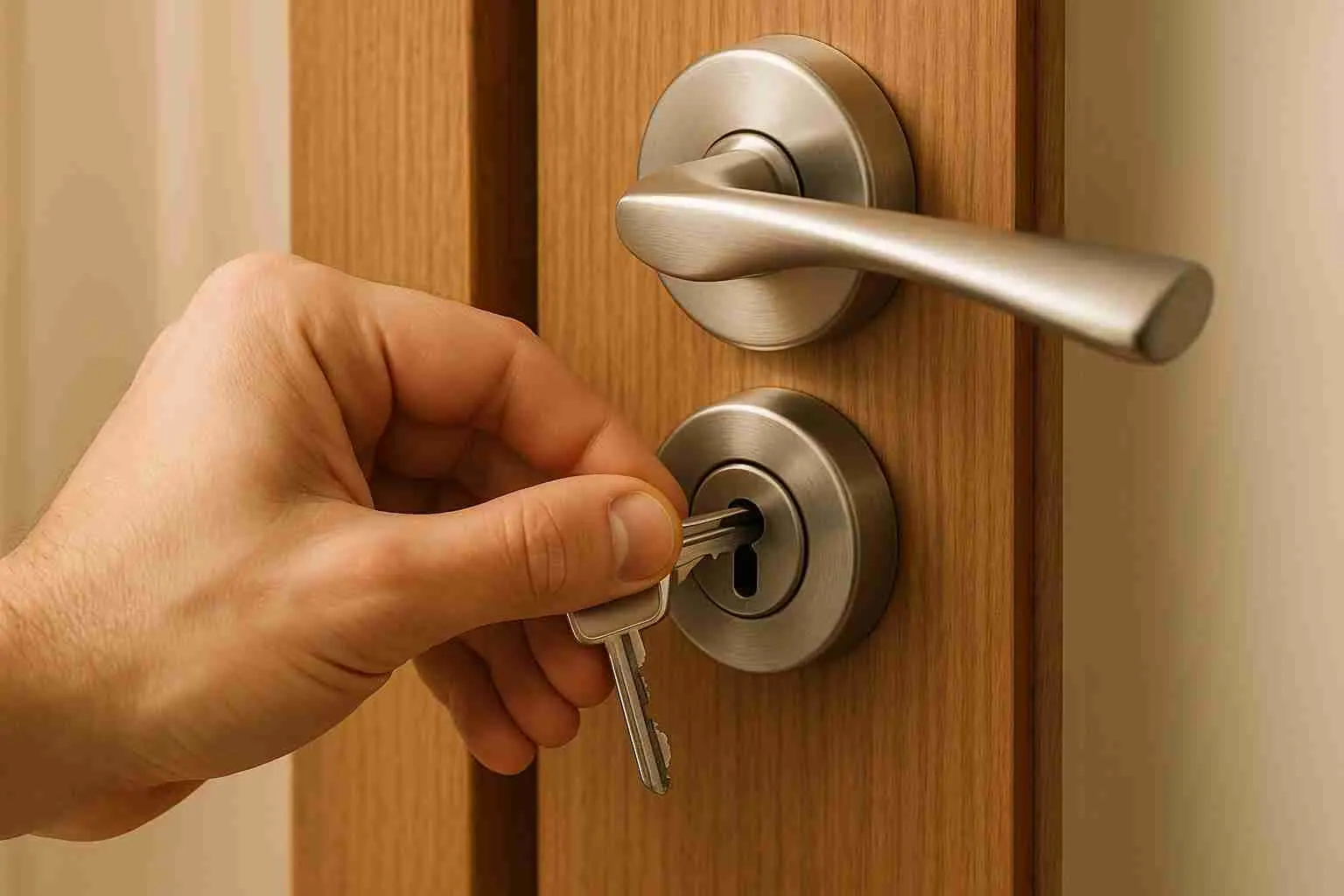
Dealing with a jammed lock can be frustrating, but fixing it is often simpler than you think. Here’s what you need to know:
- Common causes: Dirt buildup, lack of lubrication, misaligned components, weather effects, or worn-out hardware.
- Quick fixes: Clean the lock with compressed air, lubricate with graphite powder, and check for alignment issues.
- Tools needed: Screwdrivers, pliers, dry lubricant, compressed air, and a flashlight.
- When to call a locksmith: If the lock is damaged, the key breaks inside, or electronic locks malfunction.
Routine maintenance like cleaning, lubrication, and inspections can prevent most lock jams. If DIY solutions don’t work, professional locksmiths can handle complex issues safely and efficiently.
Locksmith On The Job #866, Jammed Lock
Common Causes of Jammed Locks
Knowing what makes locks jam can help you pinpoint the issue and find the best fix. Most lock problems develop gradually due to regular use and exposure to external elements.
Dirt, Debris, and Lack of Lubrication
One of the most common culprits behind jammed locks is dirt and debris buildup. Over time, dust, lint, and other particles collect inside the lock, increasing friction and making it harder for the key to turn smoothly.
"Debris and dirt buildup lead to operational issues; clean locks regularly with a small brush and lubricant spray.", 702 Locksmith
Another contributing factor is a lack of proper lubrication. Without lubrication, the internal components of the lock can stick together, leading to excessive friction. Over time, this can cause the entire mechanism to seize. However, it’s important to avoid lubricants that attract dirt, as they can worsen the problem.
Signs that your lock may need cleaning or lubrication include keys that don’t fit as smoothly, stiff or uneven turning, grinding or clicking noises, or a lock that feels unusually loose. A small amount of graphite lubricant applied to the keyhole can often restore smooth operation.
If cleaning and lubrication don’t solve the issue, the problem could lie in misalignment.
Misaligned Strike Plates and Hardware Issues
Misaligned strike plates are another common cause of jammed locks. Factors like settling, changes in humidity, or regular wear and tear can cause the door to shift, preventing the lock from aligning properly with the strike plate.
"Misalignment issues cause difficulty in locking doors; check alignment, tighten screws, and adjust strike plate if needed.", 702 Locksmith
Experts explain that misalignment often stems from natural shifts in the door frame or environmental factors. Fixing this issue may involve adjusting the strike plate or tightening the door hinges to realign the lock.
Worn-out hardware can also lead to jamming. Springs lose tension, tumblers wear out, and metal components may develop rough edges over time. If you notice the key turning but the bolt not fully engaging, or if you have to lift or push the door to lock it, hardware adjustments or replacements might be necessary.
Weather conditions can further complicate these issues, especially for exterior locks.
Weather Factors (Humidity, Temperature, and Freezing)
Weather conditions can have a significant impact on how well your locks function. For exterior doors, changes in temperature, humidity, or precipitation can create specific challenges.
In cold weather, moisture inside the lock can freeze, and metal components may contract. This can cause misalignment or make it difficult to insert the key.
High humidity and heat bring their own problems. Humidity can lead to rust and corrosion, making locks stiff, while heat can cause metal parts to expand, potentially warping keys or misaligning the lock.
"Rust and corrosion from moisture cause lock jamming; use lubricants to break down rust and gently work the key.", 702 Locksmith
Here’s a quick overview of how different weather conditions can affect locks and what you can do to prevent issues:
| Weather Condition | Potential Effects | Prevention Tips |
|---|---|---|
| Cold | Freezing, stiffening, misalignment | Use silicone-based lubricant, install weather covers |
| Humidity | Rust, corrosion | Apply rust-resistant lubricant, use a dehumidifier |
| Heat | Expansion, warping | Regular lubrication, provide shading |
| Rain/Snow | Water damage, rust | Use lock covers, add rubber seals |
To keep your locks functioning smoothly despite the weather, regular maintenance is key. Use silicone-based lubricants to protect against moisture, install weatherproof covers on exterior locks, and check for rust or damage periodically. Storing spare keys in a cool, dry location can also help prevent issues caused by temperature extremes.
"Regular lock maintenance and timely repairs can keep your locks working smoothly year-round.", Top Security Locksmiths, Inc.
Tools and Materials Needed for Fixing a Jammed Lock
Having the right tools on hand can make fixing a jammed lock much easier and prevent unnecessary damage. Before diving into the repair, make sure you’ve gathered everything you’ll need.
Start with the basic tools: pliers, a set of screwdrivers (both flathead and Phillips head), a flashlight or headlamp to illuminate tight spaces, and a magnifying glass to inspect small components.
For cleaning and lubrication, stick to dry lubricants like graphite powder or PTFE sprays. These are specially designed for locks and won’t attract dirt like oil-based products. If you don’t have graphite powder, you can improvise by rubbing a pencil’s lead on the key. Compressed air or a soft brush works well to clear out dirt and debris, especially for outdoor locks exposed to the elements.
If a key breaks inside the lock, tools like a key extractor kit or tweezers can be lifesavers. In a pinch, even a paperclip or bobby pin can help retrieve the broken piece.
For weather-related problems, such as frozen locks, use a hairdryer or de-icing spray to thaw them. If rust is the issue, apply kerosene to loosen it, but always work in a well-ventilated area to avoid harmful fumes.
Don’t forget safety gear. Protective eyewear is essential when working with sharp tools or extracting fragments, as small pieces can unexpectedly fly out.
One important note: avoid using WD-40 or other oil-based lubricants inside the lock mechanism. While WD-40 is great for many tasks, it tends to attract dirt and grime, which can worsen the problem over time. Stick to dry lubricants like graphite or specialized lock sprays for the best results.
With these tools and materials ready, you’ll be well-prepared to tackle the repair process with confidence.
Step-by-Step Guide to Fixing a Jammed Lock
Got your tools ready? Great! Now it’s time to dive into the repair process. Follow these steps carefully, each one builds on the last to help you get that lock working like new again.
Step 1: Inspect and Clean the Lock
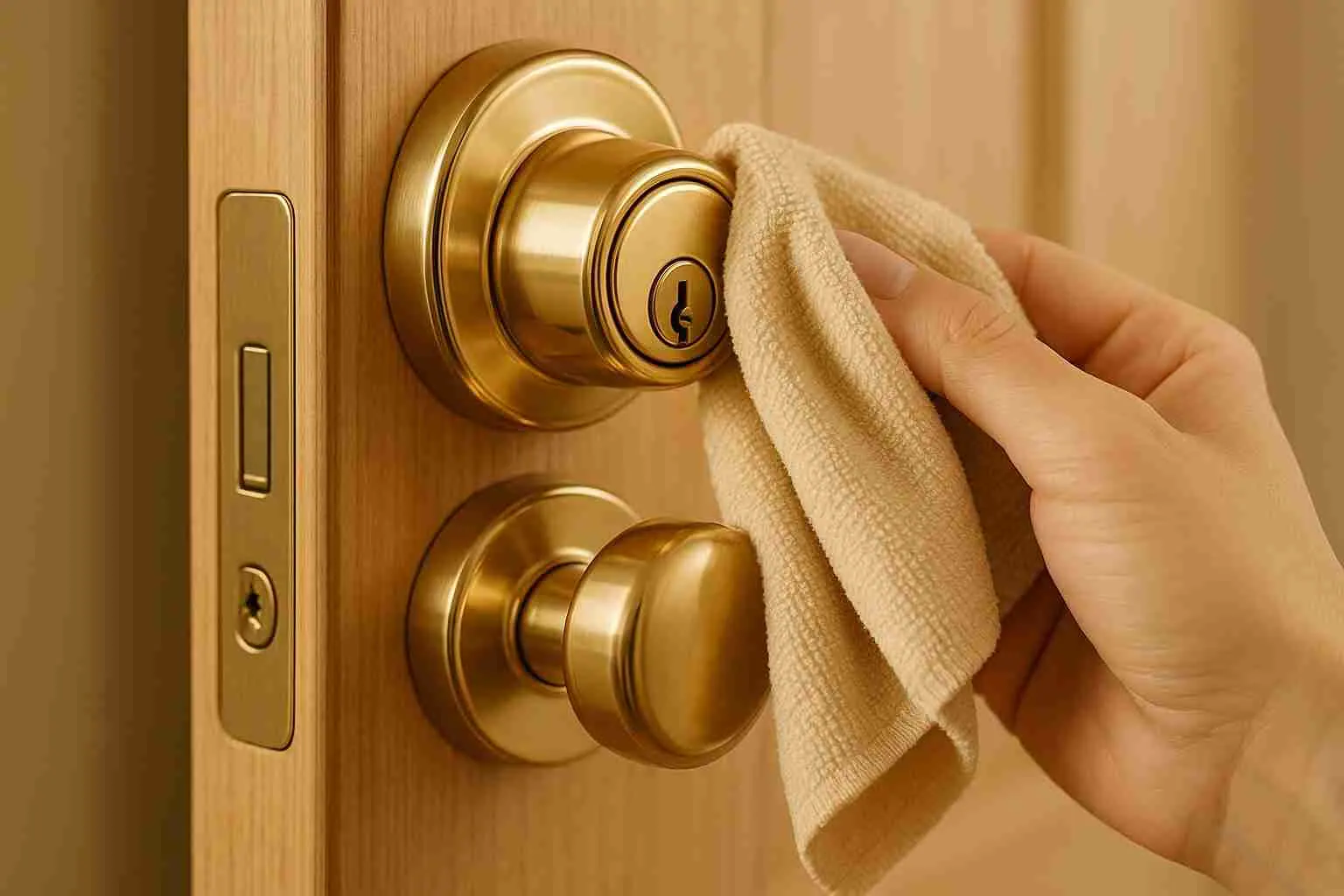
Start by giving the lock and your key a close look under good lighting. A flashlight or headlamp can help you see inside the keyhole. Look for dirt, debris, or anything unusual inside the mechanism. Don’t forget to check the key itself, bent or damaged teeth can cause trouble.
If you spot dirt or debris, grab a can of compressed air and a soft brush. Use short bursts of air to clear out particles, then gently brush away anything left behind. Insert the key and wiggle it lightly. If it doesn’t slide in smoothly, there’s likely still an obstruction, so repeat the cleaning process until the key moves freely.
Step 2: Lubricate the Lock Mechanism
Once the lock is clean, it’s time to lubricate. But here’s the thing: cleaning first is crucial. Skipping this step can mix dirt with the lubricant, creating a sticky mess that makes things worse.
Use a dry lubricant like graphite powder or a Teflon-based PTFE spray. Add a small amount to the keyhole, then insert the key and turn it a few times to spread the lubricant evenly. If you’re using graphite powder, you can also rub a pencil’s lead on the key to help work it into the lock.
"Opt for dry lubricants like Teflon-based PTFE products. They create a non-stick, water-repellent film, providing effective lubrication without attracting dust or dirt.", Squire Locks USA
After lubricating, wipe off any excess from the key to avoid buildup.
Step 3: Adjust Misaligned Components
If cleaning and lubrication don’t solve the problem, misalignment might be the issue. Start by checking the door hinges, loose screws can cause the door to sag, which throws off the alignment between the lock and the strike plate.
Tighten any loose screws with a screwdriver. If the screws are stripped, replace them with slightly larger ones of the same length for a snug fit.
For strike plate adjustments, try the chalk or lipstick trick. Dab a bit of chalk or lipstick on the deadbolt, close the door, and engage the lock. The mark left behind will show you where the lock is hitting the strike plate. Loosen the screws on the plate and adjust it up, down, or sideways until the lock aligns properly. Tighten the screws when you’re done. If the strike plate opening is too small, use a metal file to enlarge it slightly.
Step 4: Gently Work the Lock
Now that the lock is clean, lubricated, and aligned, it’s time to test it. Insert the key and turn it slowly, paying attention to any resistance or sticking points. Use steady, gentle pressure, don’t force it.
If the key feels rough as it turns, try working it back and forth slowly while applying slight upward or downward pressure. This can help the pins or tumblers settle into their proper positions after all the cleaning and adjustments.
Step 5: Remove Broken Key Pieces
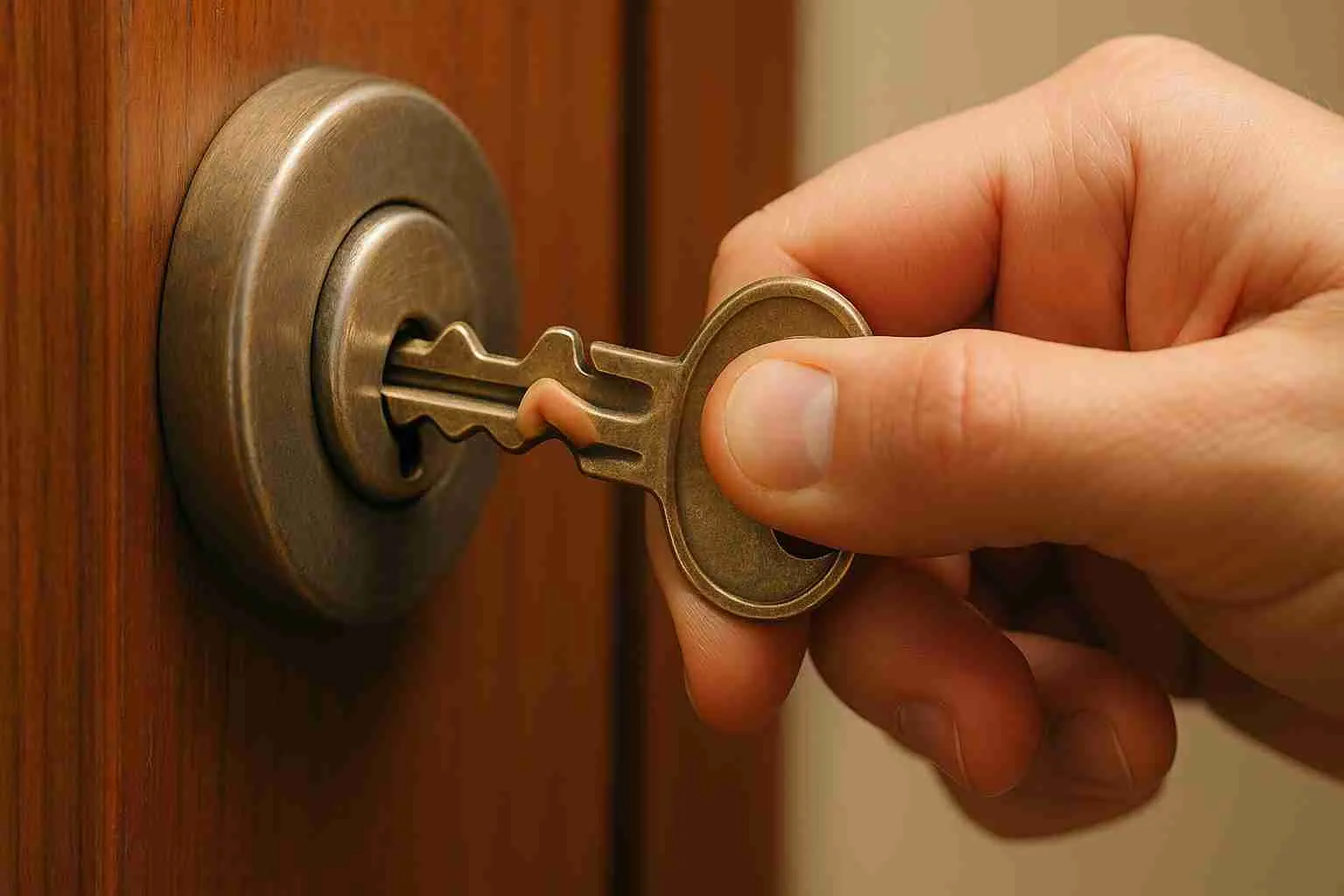
If none of the above steps fix the issue, a broken key piece might be stuck inside the lock. Inspect the keyhole for fragments. If you see one, carefully remove it with needle-nose pliers or a key extractor tool.
For fragments that are deeper inside, insert the extractor tool alongside the broken piece. Twist the tool slightly to catch the key’s teeth, then pull it out slowly. Be patient, rushing can push the fragment further in or damage the lock’s internal parts.
If the fragment won’t budge after a few careful attempts, it’s time to call a professional locksmith. Forcing it could cause more damage, making the lock irreparable.
When to Call a Professional Locksmith
Sometimes, no matter how hard you try, a DIY fix just won’t cut it. When your attempts to repair a jammed lock fall short, it’s often best to call in a professional to avoid causing more damage, or racking up unnecessary expenses. Here are some clear signs that it’s time to reach out to an expert.
Signs That DIY Repairs Won't Work
If you spot visible damage inside the lock, it’s time to step back. Broken springs, damaged pins, or cracked components are clear indicators that professional intervention is needed. As Joplin Lock & Key LLC puts it, "Trying to fix things without the right knowledge and tools can often make the problem worse". Attempting to repair visible internal damage on your own could end up complicating the issue.
Struggling to remove a stuck key? If your extraction efforts have only pushed fragments deeper into the lock or left multiple pieces stuck inside, it’s best to call a locksmith. They have specialized tools designed to safely remove key fragments without harming the lock’s internal mechanism.
Electronic or smart locks are another area where DIY solutions often fall short. These locks rely on intricate circuitry, programming, and security features that require specific expertise and equipment. Trying to fix them yourself could void the warranty or even compromise your home’s security.
High-security locks also demand professional handling. Locks with restricted keyways, multiple locking points, or specialized mechanisms are built to be tamper-resistant and require advanced tools and skills to service properly.
If your lock keeps jamming despite cleaning, lubrication, or alignment adjustments, there may be deeper structural problems at play. Internal wear, warped parts, or misaligned door frames could be the culprits, issues that need a professional’s assessment.
Frozen locks that don’t respond to basic remedies are another case where expert help is recommended.
When these problems persist, it’s clear that a skilled locksmith is your best bet. They’ll provide a safe, reliable solution to get your locks working smoothly again.
Why Choose Roadrunner Lock and Key
Roadrunner Lock and Key stands out as a dependable choice for locksmith services in Albuquerque. Their 24/7 emergency availability ensures you’re never left stranded, whether you’re locked out of your home or dealing with a malfunctioning lock in the middle of the night.
Their wide range of services covers everything from residential lockouts to advanced security upgrades. Whether you’re dealing with a jammed deadbolt, a broken key fob, or a malfunctioning commercial lock system, they’ve got the tools and know-how to handle it all.
What sets them apart is their professional expertise. Their locksmiths are equipped with specialized tools for tasks like safe key extraction, precise lock adjustments, and diagnosing electronic lock issues. They can quickly determine whether a lock needs repair or replacement, potentially saving you the cost of unnecessary new hardware.
Roadrunner Lock and Key also excels in emergency response. Their mobile team brings professional-grade tools directly to your location, allowing them to address urgent issues like lockouts, broken keys, or security breaches without delay.
Beyond repairs, they offer security upgrade consultations. Their team can assess your current lock systems and suggest improvements, such as rekeying, deadbolt upgrades, or adding advanced security features, tailored to your specific needs and budget.
With their local expertise and reliable service, Roadrunner Lock and Key has earned the trust of Albuquerque residents and businesses. Their understanding of local building styles, common lock types, and regional security challenges ensures they deliver solutions that work effectively in New Mexico’s unique conditions.
Maintenance Tips to Prevent Future Lock Jamming
Keeping your locks in good condition through regular maintenance can save you from the hassle of future lock jams. These preventive steps also ensure that your locks remain dependable over time.
Regular Cleaning and Lubrication
Over time, dirt and grime can affect how smoothly a lock operates. A consistent cleaning and lubrication routine can help keep these issues at bay.
- Clean the exterior: Periodically wipe down the lock and use compressed air to clear out any debris from the keyhole.
- Lubricate moving parts: Once a year, apply a silicone or graphite-based lubricant to keep the lock running smoothly without attracting dirt.
- Distribute lubricant properly: Insert and remove your key a few times to ensure the lubricant spreads evenly within the mechanism.
After cleaning and lubricating, it’s a good idea to check the hardware for any signs of wear or misalignment.
Hardware Inspections and Adjustments
Routine inspections can help you catch small issues before they turn into bigger problems.
- Inspect locks twice a year for signs of rust, misalignment, or wear, and lubricate as necessary. As Express Local Locksmith highlights, "Regular lock inspections are essential for maintaining the security of your property".
- Check and tighten hardware: Secure screws, bolts, and fasteners on door hardware to prevent misalignment. Adjust hinges to ensure the door aligns properly with the lock.
- Account for weather effects: Extreme weather can impact lock performance. If your lock becomes difficult to operate, inspect the latches and surrounding hardware for any issues.
If maintenance and adjustments don’t resolve persistent problems, it may be time to replace the lock.
Replacing Worn or Damaged Locks
Even the best-maintained locks will eventually need to be replaced.
- Replacement timeline: Most locks should be replaced every 7 to 10 years, depending on how often they’re used and their exposure to harsh conditions.
- Signs it’s time to replace: Look out for difficulty turning the key, frequent key breakage, loose components, rust, sticky mechanisms, free-spinning cylinders, or visible damage.
- Upgrade for better security: Modern locks come with enhanced security features. As Airborne Locksmiths puts it, "Replacing locks not only improves the security of your home but also contributes to your overall peace of mind".
- Additional precautions: For outdoor locks, choose weather-resistant options. Replace worn-out keys before they snap inside the lock, and consider high-security locks if you’ve moved into a new home.
Conclusion: Key Points for Fixing a Jammed Lock
Dealing with a jammed lock requires the right steps and tools to avoid making the problem worse. Start by carefully inspecting both the lock and key for any signs of damage or debris that could be causing the issue.
Proper lubrication often solves many jamming problems. Opt for a graphite-based lubricant rather than an oil-based one, as oil can attract dirt and create more trouble. This simple step can often restore the lock's functionality without needing more involved repairs.
If the problem lies in misalignment, check if the door has shifted or if the strike plate needs adjustment. For frozen locks, gently warming them with a hair dryer can help. Avoid forcing a broken key out of the lock, as this can cause further damage.
It's important not to apply excessive force or use improper tools, as these can escalate the issue. If your efforts don’t work or the lock is severely damaged, it’s best to call in a professional. For example, Roadrunner Lock and Key provides 24/7 emergency locksmith services in Albuquerque, offering quick and dependable help whenever you need it.
To prevent future lock troubles, regular maintenance is key. Cleaning, proper lubrication, and routine hardware inspections can keep your locks working smoothly and extend their lifespan.
FAQs
What type of lubricant is best for maintaining locks, and why should you avoid oil-based options?
When it comes to keeping your locks in great shape, Teflon-based and silicone-based lubricants are your best bet. These types of lubricants ensure smooth operation and provide long-lasting protection, all while avoiding the buildup of dirt and debris. This means your lock mechanisms stay clean and work efficiently over time.
On the other hand, steer clear of oil-based lubricants like standard WD-40. While they may seem like a quick fix, they tend to attract dust and grime, which can lead to residue buildup inside the lock. Over time, this gunk can cause the lock to jam or wear out faster than it should. For dependable performance, always opt for non-oil-based lubricants specifically made for locks.
How can I tell if weather is causing my lock to jam, and what steps can I take to prevent it?
Weather can play a big role in why locks jam or stop working properly. Cold temperatures can cause locks to freeze, while heat and humidity might make metal parts swell or expand. If you’re dealing with weather-related lock trouble, look for clues like frost buildup during winter or a lock that feels stiff and hard to turn in hot, sticky weather.
Here are some tips to protect your locks from weather-related problems:
- Use a silicone-based lubricant to keep moisture out and prevent freezing in cold weather.
- Install weatherproof covers to shield locks from rain, snow, and other harsh elements.
- Seal any gaps around outdoor locks to reduce their exposure to temperature swings.
- Opt for locks specifically made for outdoor use if they’re regularly exposed to extreme conditions.
Taking these precautions and keeping up with regular maintenance can help your locks stay in good shape all year long. If the problem persists, reaching out to a professional locksmith, like Roadrunner Lock and Key in Albuquerque, NM, can ensure your locks are repaired and protected against weather-related damage.
When should you replace a lock instead of repairing it, and what are the warning signs?
When a lock is severely damaged, excessively worn, or outdated, replacing it is often the smarter move, especially if repairs would be costly or ineffective. For instance, locks with broken internal components, heavy rust, or compromised security features are typically beyond saving.
Here are some key signs it’s time for a replacement:
- The key is hard to turn or the lock jams frequently.
- Visible damage like cracks or bent parts.
- An outdated design that doesn’t meet current security standards.
Upgrading to a new lock doesn’t just fix the issue, it also boosts your security. If you’re unsure whether to repair or replace, reaching out to a professional locksmith can help you make the right call and keep your property secure.