Your locks work hard to protect your home, car, or business. But without regular care, they can fail, leading to security risks and costly repairs. Here's what you need to know to keep them in top condition:
- Why Maintenance is Important: Regular upkeep makes locks harder to tamper with, prevents failures, and reduces repair costs. For businesses, neglected locks can lead to 50% higher expenses and security breaches in 25% of cases.
- Basic Tools & Supplies: Use graphite powder, compressed air, silicone-based spray lubricants, precision screwdrivers, and microfiber cloths for cleaning and lubrication.
- Lock Types & Care: Deadbolts, padlocks, and smart locks all need specific care. Clean, lubricate, check alignment, and replace worn keys or batteries as needed.
- Weather Protection: Freezing temperatures, humidity, and rust can damage locks. Use silicone lubricants, rust-resistant materials, and weatherproof covers to protect them.
- When to Call a Locksmith: Persistent issues, broken keys, or upgrading to smart systems may require professional help.
Takeaway: Routine maintenance ensures smooth operation, extends the lifespan of your locks, and keeps your property secure. A little care now saves you from bigger problems later.
Lock Maintenance, lubricating locks
Tools and Supplies You Need
Having the right tools and cleaning supplies makes maintaining your locks a smoother process and helps extend their lifespan. The right equipment not only simplifies upkeep but also protects your locks from unnecessary wear.
Basic Maintenance Tools
Start with a few essentials that cover most lock maintenance needs. Graphite powder is a go-to for sticky keys or sluggish lock mechanisms. Unlike liquid lubricants, graphite doesn’t attract dust, making it a cleaner choice. You can find it at most hardware stores for about $3 to $5 per tube.
Compressed air is another must-have. It’s perfect for clearing out dust, debris, and metal shavings from lock mechanisms. A can of compressed air, priced between $4 and $6, delivers a high-pressure blast that reaches spots your fingers can’t, making it ideal for cleaning keyways and internal components.
For minor repairs or adjustments, keep a set of precision screwdrivers on hand. Small sizes in both flathead and Phillips head varieties are useful, as many locks use #1 or #2 Phillips screws, while older locks may require flathead tools. A good set will cost around $15 to $25.
When it comes to moving parts like hinges or latches, silicone-based spray lubricants are a solid choice. They provide long-lasting protection without attracting dust, as long as they’re used sparingly.
Finally, stock up on cotton swabs and microfiber cloths for cleaning without causing scratches.
Now, let’s explore how to pick the right lubricants for your locks.
How to Choose the Right Lubricants
Selecting the right lubricant is key to keeping your locks functioning smoothly. Dry lubricants, like graphite or Teflon-based products, are generally recommended because they don’t attract dirt or dust.
Teflon-based lubricants, often sold as sprays, create a thin, non-stick coating that works well for door locks and padlocks. For locks exposed to heavy use or harsh weather, wet lubricants, such as silicone or grease, can offer better protection, though they may need more frequent reapplication. Additionally, silicone-based lubricants are particularly effective in high-humidity or coastal areas, thanks to their corrosion-resistant properties, even though they tend to cost more.
For the best results, always check the lock manufacturer’s guidelines or consult a locksmith when choosing a lubricant.
Next, we’ll look at cleaning products that are safe for your locks.
Safe Cleaning Products
Using the wrong cleaning products can harm your locks’ finishes or damage internal mechanisms. Stick to mild, non-abrasive cleaners to avoid stripping protective coatings or corroding metal parts.
Isopropyl alcohol (70% concentration) is excellent for cleaning lock exteriors and removing grime. It evaporates quickly and doesn’t leave residue, making it safe for most finishes.
For tackling mineral deposits or light rust, use a diluted white vinegar solution (equal parts vinegar and water). After cleaning, rinse thoroughly with water and dry completely to avoid any lingering moisture.
Avoid using petroleum-based cleaners, WD-40, or household oils on lock internals. While WD-40 might seem like a quick fix, it’s designed as a water displacer and penetrating oil, not a long-term lubricant. Over time, it can attract dirt, which may cause more problems.
For electronic locks, opt for electronics-safe cleaners. These specialized products won’t harm circuit boards or sensors, helping you avoid expensive repairs to delicate components.
How to Maintain Different Lock Types
Locks come in all shapes and sizes, and each type needs specific care to stay in top condition. Whether it's a traditional deadbolt or a high-tech smart lock, proper maintenance ensures smooth operation and long-lasting security.
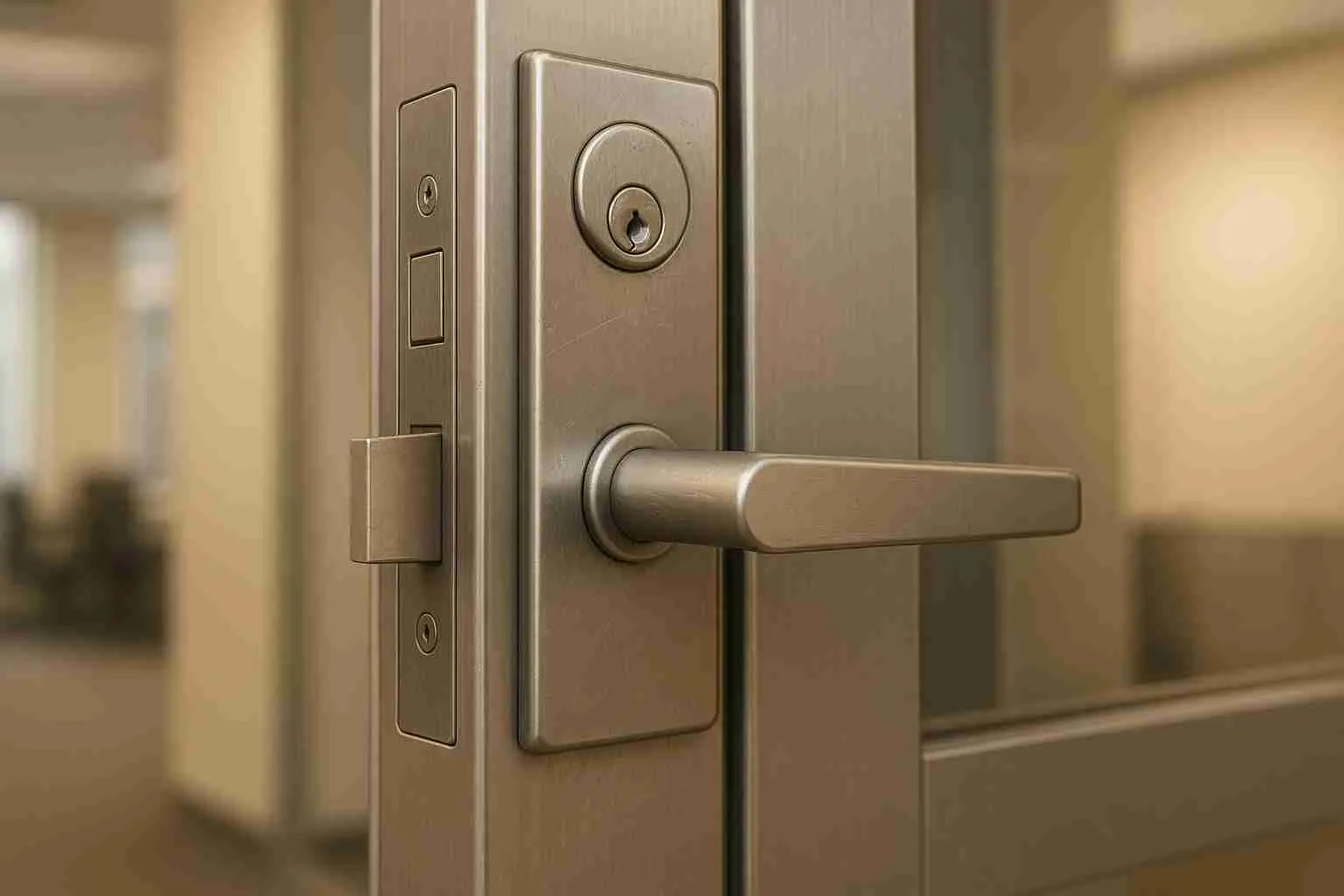
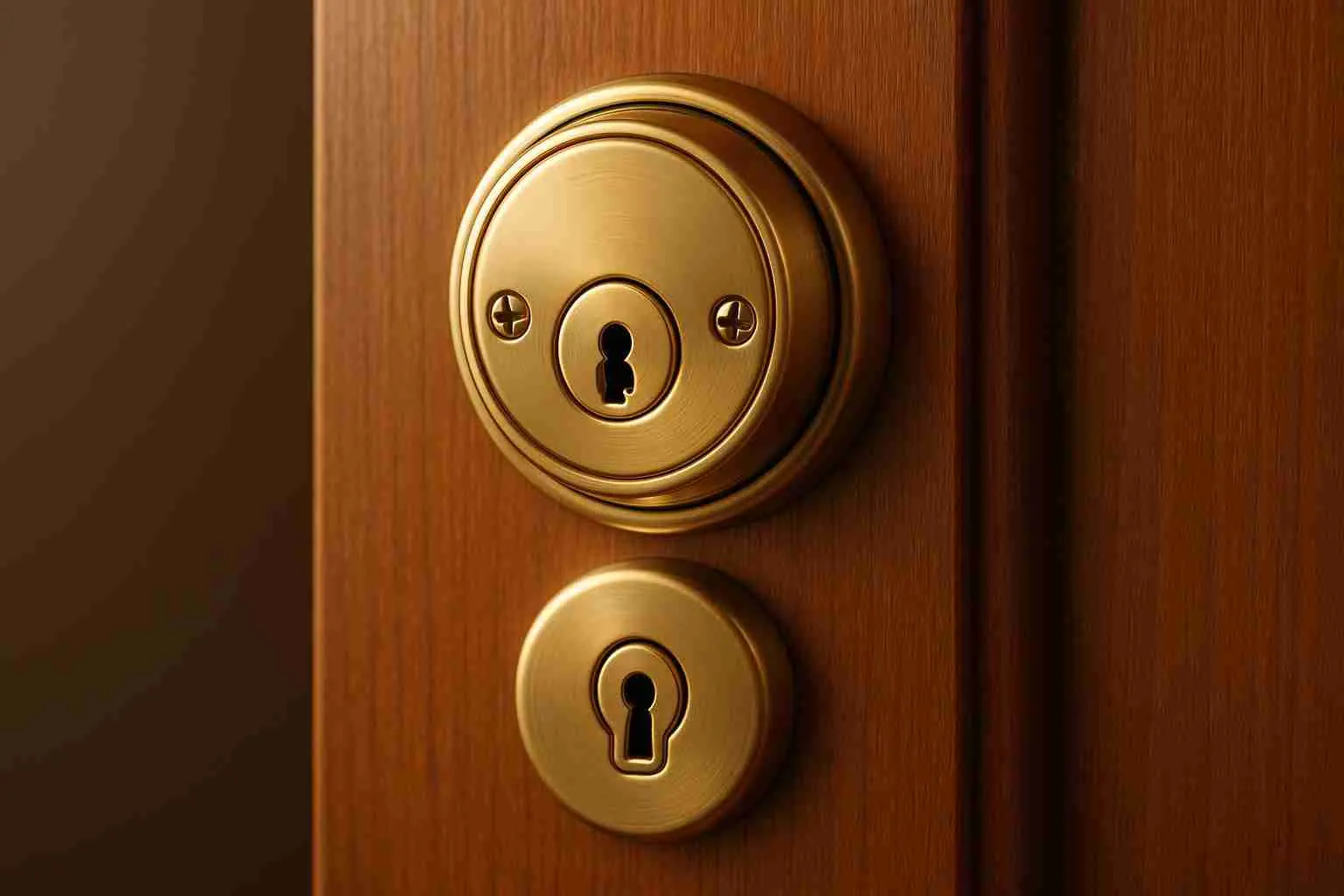
Deadbolts, Knob, and Lever Locks
These are some of the most common locks found in homes and businesses. To keep them working well:
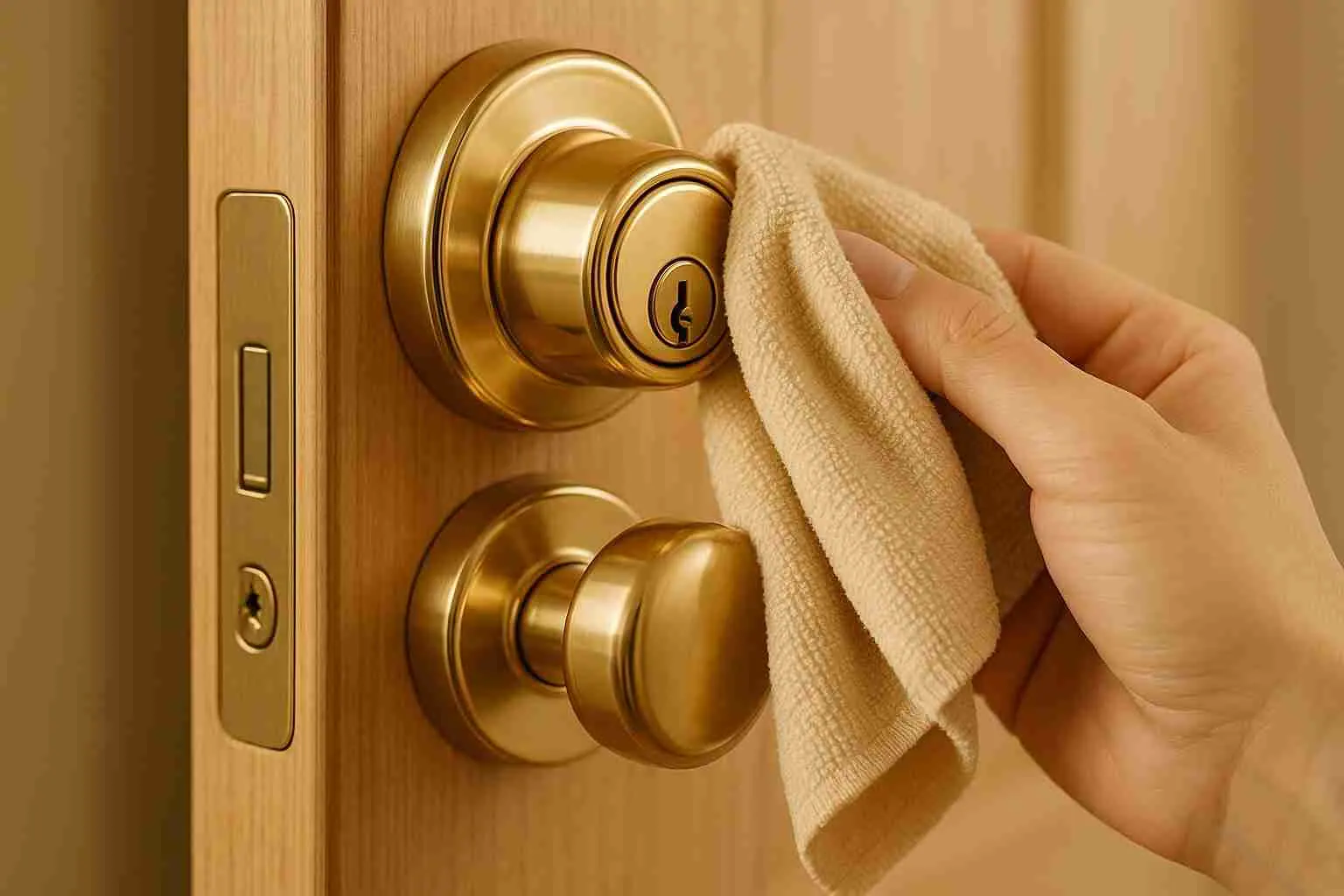
- Clean the exterior: Wipe down the lock with a soft cloth every few months to remove dirt and grime.
- Clear the keyhole: Use compressed air to blow out dust and debris from the keyhole.
- Lubricate annually: Apply a silicone- or graphite-based lubricant to the mechanism once a year.
- Check alignment: Make sure the door and strike plate are aligned to avoid unnecessary wear.
- Tighten screws: Secure any loose screws to keep the lock stable.
- Replace worn keys: If your key shows signs of wear, replace it to avoid damaging the lock.
Padlocks
Since padlocks are often used outdoors, they face extra wear and tear from exposure to the elements. Here's how to care for them:
- Wash the exterior: Clean the lock with a mild soap solution, focusing on the shackle where dirt builds up. Dry it thoroughly to prevent rust.
- Lubricate the shackle: Use a silicone-based lubricant to keep the shackle moving smoothly.
- Clear dirt from the keyway: Blow out any debris with compressed air, then apply a small amount of graphite powder to the keyhole. Avoid over-lubricating, as excess grease can attract more dirt.
While traditional locks rely on physical upkeep, electronic locks require a mix of mechanical and tech-focused attention.
Electronic and Smart Locks
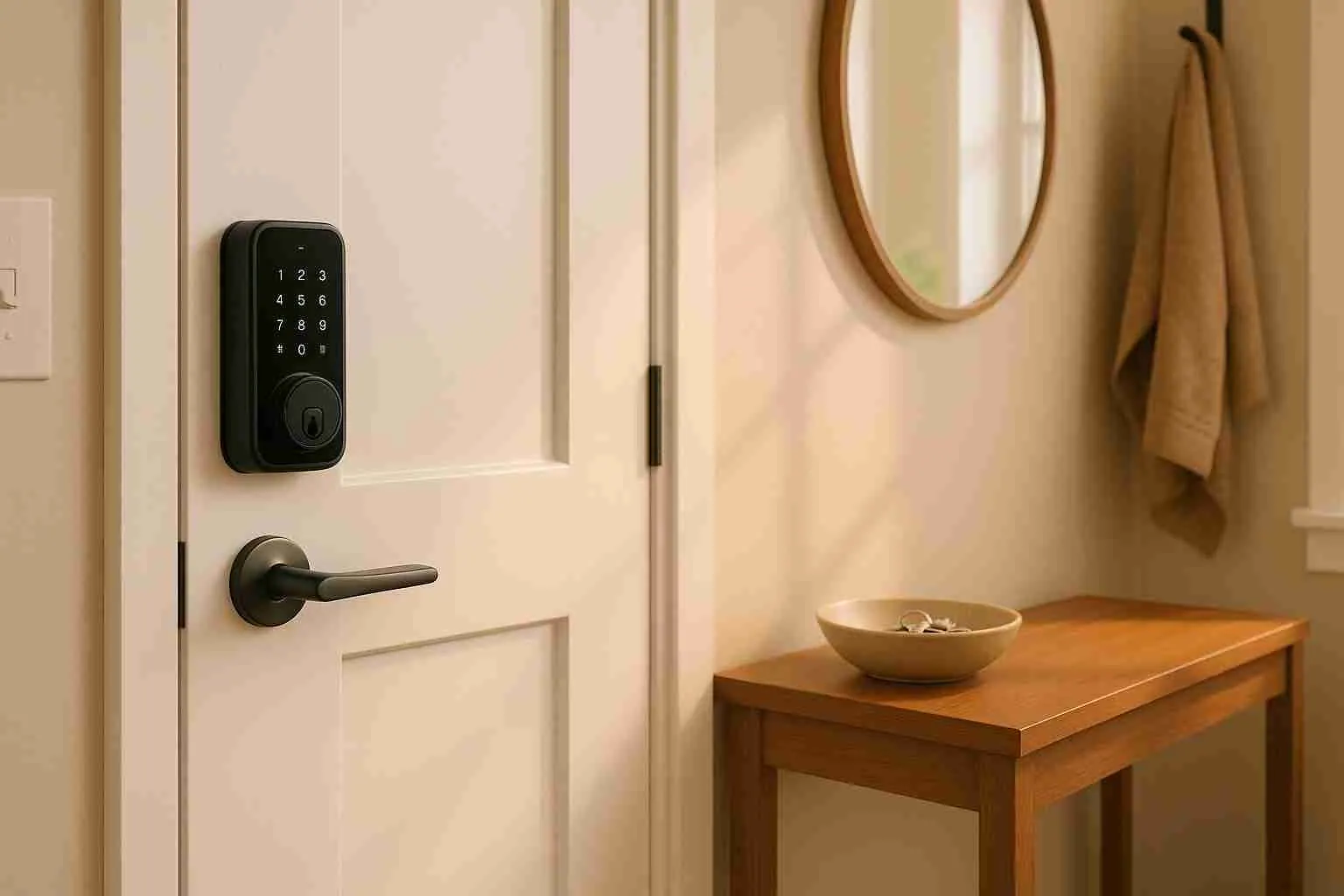
Smart locks combine mechanical parts with sensitive electronic components, so they need extra care to stay functional. Follow these tips:
- Replace batteries: Swap out batteries as recommended by the manufacturer to avoid malfunctions.
- Clean electronic surfaces: Use an electronics-safe cleaner and a microfiber cloth to clean touchscreens, keypads, and fingerprint scanners. Avoid harsh chemicals that could damage the surfaces.
- Update firmware: Regularly check for and install firmware updates to keep the lock secure and efficient.
- Maintain mechanical parts: Clean and lubricate any physical keyway or backup features just like you would with a standard lock.
- Test all features: Regularly test the keypad, smartphone controls, voice commands, and physical key override to catch problems early.
- Check for connectivity issues: If the lock responds slowly or loses connection, restart it following the manufacturer's instructions before assuming there's a hardware issue.
- Protect against moisture: Keep the exterior, especially charging ports and battery compartments, clean and dry to prevent water damage.
Proper maintenance is key to ensuring your locks, whether mechanical or electronic, stay reliable and secure over time. A little care goes a long way in extending their lifespan and protecting your property.
Fixing Problems and Advanced Care
Routine cleaning and lubrication are great for keeping locks in good shape, but every now and then, they need a little extra care. Even with regular maintenance, locks can run into problems. Addressing these issues quickly can save you time, money, and prevent further damage.
Common Lock Problems and How to Fix Them
Misaligned locks are a frequent headache for homeowners. If your key turns but the deadbolt doesn’t engage, it’s likely an issue with the strike plate. Start by tightening the door hinges, loose hinges can cause the door to sag and misalign the lock. If that doesn’t solve it, adjust the strike plate by loosening its screws and repositioning it slightly. If the problem persists, it’s best to call in a professional to avoid causing any lasting damage.
Jammed locks can be tricky, but avoid using oil-based lubricants like WD-40, as they tend to attract dirt and worsen the problem. Instead, opt for a lock cleaner like Houdini to clear out grime. For more stubborn jams, disassembling and cleaning the lock parts may be necessary.
If the issue involves a sticking key, test a spare key to rule out wear and tear. Worn keys can damage locks over time, so replace them sooner rather than later. Reapply the recommended lubricant, but never force a stuck key. A gentle wiggle with light pressure works much better than brute force.
Weatherstrip interference is another common cause of stiff locks. If the door’s weatherstripping has shifted or expanded, it might prevent the door from closing properly. Trimming or adjusting the weatherstripping usually resolves the issue quickly.
For broken keys stuck in locks, visible fragments can often be removed with needle-nose pliers. Just make sure to pull the piece straight out without twisting, as that could push it further in. If the broken piece is deep inside or the removal doesn’t work, a locksmith can safely extract it without damaging the lock.
Stiff locks often benefit from simple maintenance. Follow the cleaning steps mentioned earlier, tighten any loose screws on the lock, and reapply lubricant as needed.
External factors, like the weather, can also play a big role in lock performance.
Weather-Related Lock Problems
Weather can throw unique challenges at locks, and the type of problem often depends on the season and climate.
Cold weather can be especially harsh on locks. Freezing temperatures can cause moisture inside the lock to freeze, while metal contraction can throw off alignment, making locks unusable. Silicone-based lubricants are great for preventing moisture buildup, while lock de-icers offer quick relief for frozen locks. Adding weatherproof caps to exterior locks can also help shield them from snow and ice.
Hot and humid weather brings its own set of problems, like rust and corrosion. Heat and moisture speed up oxidation, especially in coastal areas with salty air. Regular cleaning and using rust-resistant lubricants can help protect locks. Keep spare keys in cool, dry places too, extreme heat can warp plastic key heads or damage electronic key fobs.
"Regular lock maintenance and timely repairs can keep your locks working smoothly year-round.", Top Security Locksmiths, Inc.
Materials also matter when dealing with weather extremes. Wood and plastic doors are more likely to warp or swell in hot weather, which can misalign locks. Stainless steel locks, on the other hand, resist rust better than brass or plastic, making them a solid choice for outdoor use.
| Weather Condition | Problem | Solution |
|---|---|---|
| Cold | Frozen lock due to moisture | Use silicone-based lubricant, lock de-icer |
| Cold | Metal contraction causing misalignment | Lubricate lock mechanism |
| Hot/Humid | Rust and corrosion | Use rust-resistant lubricant, clean regularly |
| Hot | Expansion of metal components | Lubricate lock mechanism |
Seasonal maintenance is especially important in areas with extreme temperature changes. Applying water-resistant sealant around door frames can prevent moisture from seeping in, while using a dry cloth for cleaning (instead of water) helps avoid freezing or rust.
When to Call a Professional Locksmith
If your troubleshooting efforts don’t solve the problem, it’s time to call in an expert. Some lock issues require professional tools and expertise, and trying to fix them yourself can sometimes make things worse.
Persistent malfunctions that resist basic fixes often point to deeper mechanical problems that need specialized attention.
For security upgrades, professional locksmiths can recommend and install advanced locking systems that integrate with home automation and monitoring tools, keeping your property safe and up-to-date.
Emergency situations, like lockouts, broken keys, or locks damaged in break-ins, require immediate professional help. Whether you’re locked out of your home or dealing with a completely broken lock, quick action is crucial for both security and convenience.
Electronic and smart locks can be particularly tricky, as they often involve both mechanical and digital components. Issues like firmware updates, connectivity problems, or integration with other smart devices are best handled by a locksmith with expertise in modern systems.
For those in Albuquerque, Roadrunner Lock and Key offers 24/7 locksmith services. From emergency lockouts to upgrading security systems, their team has the tools and experience to handle a wide range of lock problems efficiently. Whether it’s a frozen lock on a winter morning or a high-tech security upgrade, professional locksmiths can save the day when DIY solutions fall short.
Knowing when to seek professional help is key to keeping your locks in top condition. While basic maintenance and minor fixes can address most issues, complex problems are best left to the experts to avoid costly mistakes or security risks.
How to Make Your Locks Last Longer
Taking care of small issues early can save you from expensive repairs and help your locks last much longer.
Preventive Maintenance Tips
Keeping your locks in good shape ensures your property stays secure while cutting down on repair costs.
Start with regular cleaning and lubrication. Wipe down locks with a damp cloth and use compressed air to clear out dirt and debris. For lubrication, apply graphite to mechanical locks and silicone-based products to electronic ones about every six months.
Seasonal inspections are another smart habit. Look for signs of wear, misalignment, or rust. Protect outdoor locks by using water-resistant sealants, covers, or even small awnings. Pay attention to how smoothly your key turns, if it feels off, it’s time to investigate.
Be gentle with your locks. Slamming doors or forcing keys can cause internal damage, so avoid these habits. If you notice minor issues, don’t wait, address them before they turn into costly problems.
Electronic locks need a bit more care. Replace batteries annually, and inspect for corrosion every 3 to 6 months. Updating your security system software and considering hardware upgrades as technology evolves can also keep your locks working efficiently.
If you need spare keys, always go to a qualified locksmith. Poorly cut keys can wear out your lock cylinders faster.
The type of material matters, too. Stainless steel and brass locks hold up better against weather than plastic ones, making them a smart choice for outdoor use. In humid areas, opt for rust-resistant locks and use rust inhibitors to keep them in top shape.
Finally, consider an annual checkup from a professional locksmith. They can spot potential issues and suggest adjustments to keep your locks functioning properly. Did you know that 90% of mechanical lock failures stem from preventable problems? Regular maintenance can help you avoid issues like jamming, misalignment, or general wear and tear.
These steps, combined with consistent care, can significantly extend the life of your locks.
Keeping Maintenance Records for Businesses
For businesses, keeping detailed maintenance records is just as important as regular upkeep.
Managing locks in a business setting comes with unique challenges. With multiple entry points, high usage, and strict security requirements, proper record-keeping becomes a necessity.
These records do more than help you stick to a maintenance schedule. They show that your business is taking security seriously, something that can be critical if you ever need to make an insurance claim. Detailed documentation also ensures you meet manufacturer warranty requirements by proving you’ve followed recommended care practices.
A good maintenance log should include inspection dates, issues found, repairs made, and parts replaced. Tracking which locks see the most use can help you prioritize maintenance for high-traffic areas.
Regular professional servicing is another must. It not only keeps your security system running smoothly but also allows for risk and threat assessments. As new security challenges emerge, periodic evaluations ensure your system stays effective.
Including staff training as part of your maintenance records is a good idea, too. Professional servicing can provide refresher training on system updates and security procedures. Proper documentation supports compliance and can strengthen insurance claims if needed.
Keeping thorough records also helps with budgeting. By tracking performance over time, you can better plan for routine maintenance and future upgrades. A proactive approach reduces the chances of costly emergency repairs and keeps your security system running at its best.
Routine inspections and servicing do more than just protect your assets, they improve employee safety, deter break-ins, and even boost property value. For businesses using electronic systems, staying ahead on maintenance ensures both physical and digital security measures work seamlessly, minimizing downtime and repair costs.
Summary and Key Points
Taking care of your locks isn’t just about convenience, it’s about protecting your property and avoiding costly repairs in the long run. By following the tips outlined here, you can keep your locks in great shape and extend their lifespan.
Main Points to Remember
To keep your locks functioning smoothly, make cleaning, inspecting, and lubricating them a regular habit. Use a soft cloth and graphite spray for lubrication. If you live in a dusty or humid area, you’ll want to do this more frequently to keep things running smoothly.
Routine testing and inspection are also crucial. Every few months, turn your keys in the locks, check the strike plates, and listen for any odd sounds. Tighten any loose screws on door handles or strike plates before they cause alignment issues. If you notice worn components, replace them promptly to avoid bigger, more expensive problems down the road.
Be gentle with your locks, don’t slam doors or force keys, as this can cause internal damage. And when you need spare keys, always go to a qualified locksmith to make sure they’re cut correctly.
"Regular lock maintenance is necessary to ensure that locks work correctly and continue safeguarding your property. This proactive approach helps prevent security issues and costly replacements.", Anderson Lock & Safe
For outdoor locks, weather protection is key. Use water-resistant sealants, covers, or small awnings to shield them from the elements. In humid climates, opt for rust-resistant materials like stainless steel or brass, and apply rust inhibitors as needed.
Taking these steps can make your locks last much longer, turning regular maintenance into a budget-friendly way to enhance security.
"Locks might seem like small pieces of overall security, but they carry significant weight in maintaining the safety and security of your business premises.", Trulox®
These practices ensure your locks stay dependable and secure, while also making it easier to spot when expert help is needed.
Getting Professional Help When Needed
Even with the best care, some situations call for professional assistance. If a lock stays stiff even after lubrication, it could mean internal wear that needs a locksmith’s expertise.
Emergencies, like being locked out, keys breaking in the lock, or signs of tampering, demand immediate attention. If there’s been a break-in attempt, it’s essential to have a professional assess and repair or replace the locks right away.
Upgrading to advanced systems like smart locks or high-security deadbolts also requires professional installation to ensure they work correctly and provide optimal security.
For ongoing care, scheduling an annual professional inspection can catch small issues before they become major headaches. A locksmith can evaluate your setup, identify potential problems, and suggest improvements tailored to your needs.
In areas like Albuquerque, you can rely on Roadrunner Lock and Key for 24/7 locksmith services. They handle everything from emergency lockouts to rekeying, installations, and security upgrades. With their round-the-clock availability, help is always within reach, whether it’s for routine maintenance or urgent repairs.
When hiring a locksmith, it’s a good idea to get quotes from multiple local providers and confirm any call-out fees beforehand.
Professional maintenance isn’t just about solving problems, it’s about preventing them. Regular servicing by a qualified locksmith keeps your security in top shape and minimizes disruptions.
FAQs
How often should I maintain my locks to keep them working smoothly?
To keep your locks working smoothly and in great shape, aim to maintain them every 6 months. This involves cleaning them thoroughly and applying the right lubrication. If your locks face tough conditions, like extreme weather or constant use, you might want to check and maintain them every 3 months instead.
Staying on top of regular maintenance can help you avoid problems like sticking, jamming, or excessive wear. Plus, dedicating a bit of time now can save you the hassle and expense of repairs or replacements down the road!
When should I call a professional locksmith instead of trying to fix a lock myself?
If you find yourself locked out of your home, car, or office, or dealing with high-security or intricate locks, it's a smart move to call a professional locksmith. These situations often demand specialized tools and knowledge that go beyond what DIY methods can handle.
Trying to fix or replace locks on your own can sometimes backfire, causing more damage, weakening your security, or even voiding warranties. A professional locksmith brings the right expertise to handle the job safely and effectively, ensuring your property stays secure and giving you peace of mind.
How can I protect my locks from damage caused by extreme weather?
How to Maintain Your Locks During Extreme Weather
Keeping your locks in good shape during harsh weather doesn’t have to be complicated. A few simple steps can make a big difference.
Start by choosing weather-resistant locks with rust-proof coatings to protect against corrosion. For outdoor locks, consider adding protective caps or covers to shield them from snow, ice, and moisture buildup.
To prevent freezing or sticking, apply a silicone spray or graphite lubricant. These create a barrier against moisture without attracting dirt, unlike oil-based lubricants, which can lead to buildup. Make it a habit to wipe down your locks regularly to remove moisture. If your lock freezes, resist the urge to force it open, instead, gently warm it with a hairdryer to avoid damage.
By following these steps, you can keep your locks working smoothly and extend their lifespan, no matter the season.