Emergency Services13 min read
Rekeying vs Lock Replacement: Cost Comparison

By Roadrunner Lock and Key ·
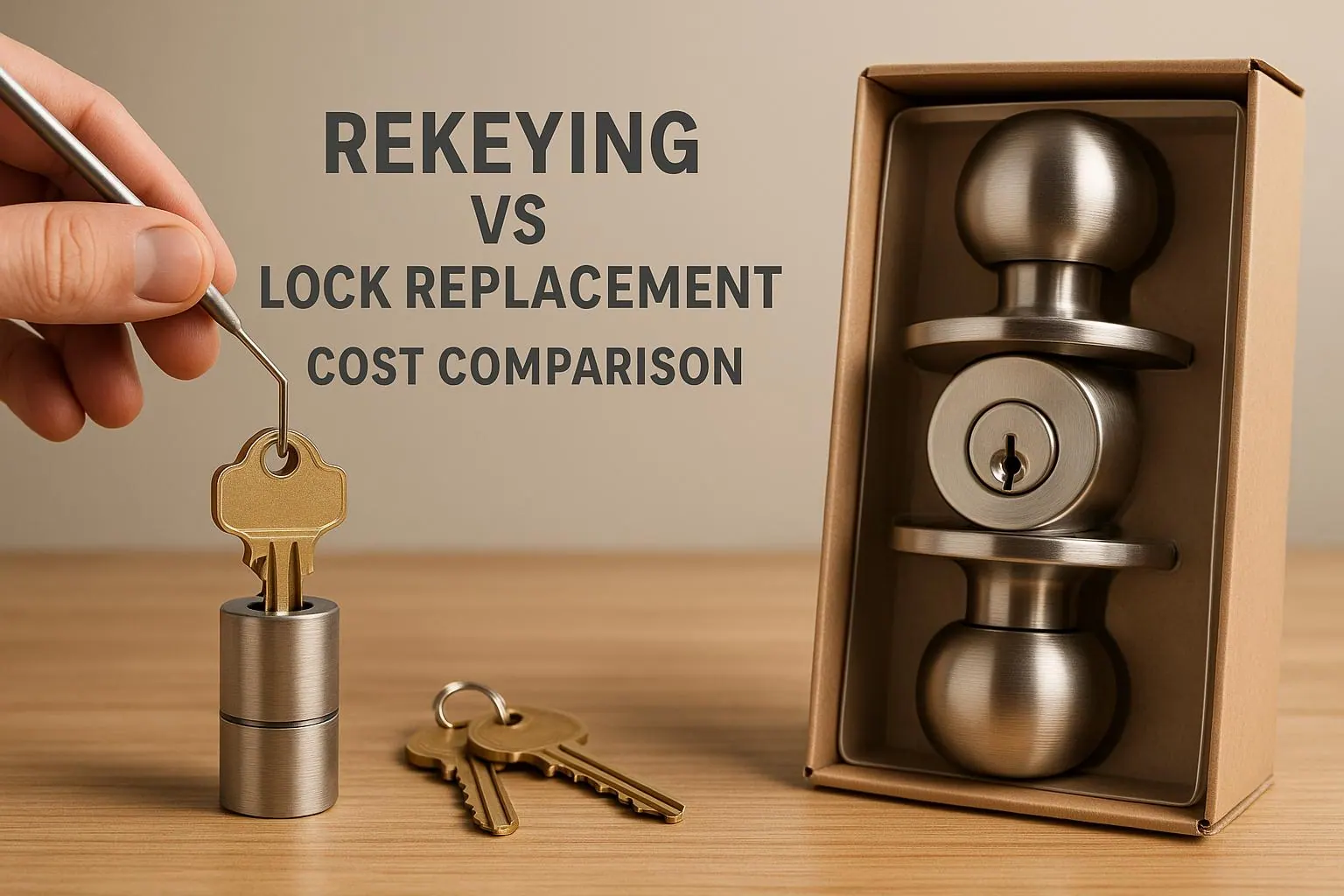
When deciding between rekeying and replacing locks, cost and security are key factors. Here’s a quick breakdown:
- Rekeying: Adjusts the internal lock mechanism so old keys no longer work. Costs range from $50 to $150 per lock, takes 10 to 40 minutes per lock, and is ideal for working locks, lost keys, or new homes.
- Lock Replacement: Replaces the entire lock with new hardware. Costs range from $130 to $500 per lock, takes 30 to 60 minutes per lock, and is best for damaged locks, security upgrades, or break-ins.
Quick Comparison
| Service | Cost Range | Time Required | Best For |
|---|---|---|---|
| Rekeying | $50 to $150 per lock | 10 to 40 minutes per lock | Working locks, lost keys, new homes |
| Lock Replacement | $130 to $500 per lock | 30 to 60 minutes per lock | Damaged locks, upgrades, break-ins |
Rekeying is cheaper and faster but doesn’t fix physical damage. Replacement offers better security and modern features but costs more. Choose based on your lock’s condition, security needs, and budget.
What Are Rekeying and Lock Replacement?
Before we get into the costs, let’s first clarify what these two processes involve. Both rekeying and lock replacement aim to secure your property, but they achieve this in completely different ways.
What Is Rekeying?
Rekeying involves modifying the internal components of your existing lock so that it works with a new key, while keeping the external hardware intact. Essentially, the locksmith adjusts the pins or wafers inside the lock, making your old keys useless.
The process is quick, usually taking about 10 to 40 minutes per lock, and leaves the lock housing, strike plate, and visible hardware unchanged. It’s a great option if your locks are in good shape and you simply want to regain control of access, such as after misplacing keys or moving into a new home.
What Is Lock Replacement?
Lock replacement, on the other hand, involves swapping out the entire lock mechanism. This means removing the old locking hardware, strike plate, and sometimes even the door hardware, then installing a completely new system.
When you replace a lock, you gain a fresh set of internal mechanisms, a new key, and often upgraded security features. Because it’s more involved, this process typically takes 30 to 60 minutes per lock.
Lock replacement is the way to go if your hardware is damaged, outdated, or if you’re looking to upgrade to something like smart locks, keypads, or high-security deadbolts that your current setup can’t support.
In short, rekeying keeps your existing lock while making it work with a new key, whereas replacement gives you entirely new hardware, often with added security perks. Now, let’s dive into how the costs compare between these two methods.
When Rekeying Makes Sense
Rekeying strikes a great balance between security and cost-effectiveness in several everyday situations. It allows you to maintain strong protection without the expense of replacing your entire lock system. Let’s explore a few scenarios where rekeying is the smart move.
Lost or Stolen Keys
Misplacing your keys or dealing with theft can be stressful, but rekeying offers a quick and affordable solution. By adjusting the internal pins of your lock, old keys are rendered useless, and only the new keys will work. This process ensures your property stays secure, at almost half the cost of replacing the entire lock system.
Moving into a New Home or Office
Moving into a new space often comes with hidden security concerns. Previous owners, contractors, or even service providers may still have copies of the original keys. Rekeying is a practical first step to eliminate this risk. In fact, over 50% of landlords rekey or change locks between tenants to maintain safety. Rekeying multiple locks can also save you a significant amount of money while ensuring no one from the past has access . Plus, you can simplify things by rekeying all your locks to work with a single key, combining security with convenience.
Locks That Are in Good Condition
If your locks are functioning well, whether it’s a smoothly working deadbolt, trouble-free door handles, or undamaged hardware, rekeying is a practical choice. There’s no need to replace locks that are still in great shape. Many modern locks, including smart and high-security options, are designed for easy rekeying. This method updates your lock’s internal mechanisms without requiring new hardware, cutting costs while still keeping your security up to par.
When Lock Replacement is Necessary
While rekeying can address many security concerns, there are specific instances where replacing your locks entirely is the smarter choice. These situations usually involve physical damage, excessive wear, security upgrades, or compromised components that rekeying simply can't resolve.
Broken or Worn-Out Locks
Locks that show visible signs of wear, such as rust, corrosion, scratches, or dents, may no longer provide reliable security. If you’re struggling to turn your key or notice it frequently breaking or snagging, this could indicate that the internal mechanisms of the lock are failing. Such issues increase the risk of tampering and signal that it’s time for a replacement. Experts recommend replacing locks that are over 10 years old or too damaged to be effectively rekeyed.
A seasoned locksmith with 48 years of experience once explained that locks should be replaced if they don’t operate consistently, whether due to normal wear or damage from an attempted break-in. Beyond wear and tear, keeping up with modern security standards often requires more advanced locking systems.
Security System Upgrades
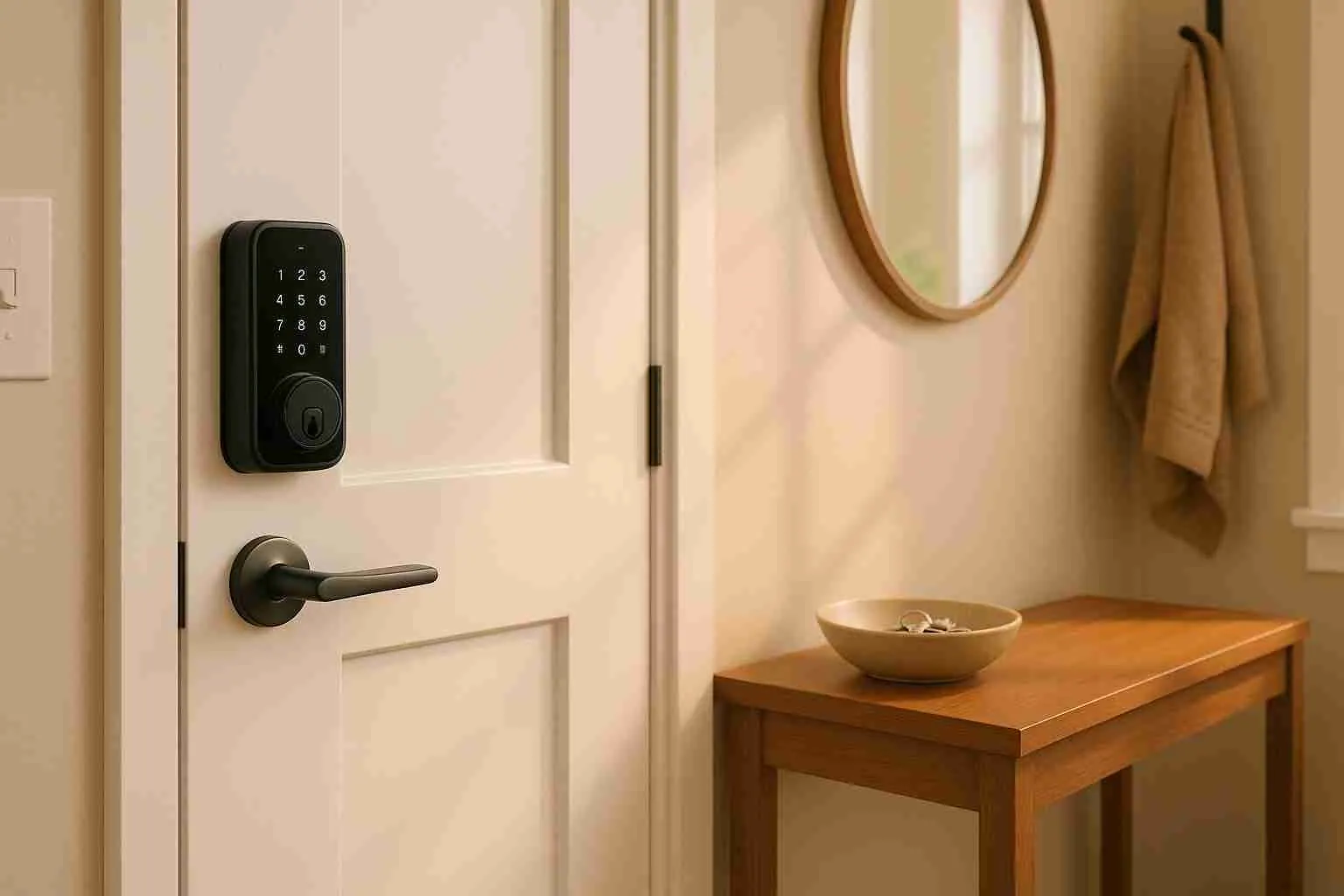
Sometimes, the need for a lock replacement isn’t due to damage but rather the desire to enhance your home’s security. Older locks often lack the features necessary to meet today’s security expectations. For instance, smart locks now offer keyless entry, remote access, and seamless integration with home security systems, features that require a complete lock replacement instead of rekeying.
Similarly, high-security deadbolts and other advanced locking mechanisms provide better protection against modern burglary techniques. When upgrading, it’s important to choose locks that not only meet your security needs but also complement your home’s style.
After Break-Ins or Tampering
Experiencing a break-in presents unique challenges that rekeying alone cannot address. Even if the damage isn’t immediately visible, a break-in can weaken a lock’s internal components, compromising its reliability. Additionally, burglars may duplicate keys during the intrusion, making lock replacement a critical step in restoring security.
"After such an event, taking swift action to restore security is crucial, and one of the most critical steps is replacing your locks. Not only does this help protect your property, but it also goes a long way in restoring your peace of mind. Replacing your locks and upgrading your security systems allow you to regain a sense of safety, not only physically but also emotionally."
Properties that have been targeted are more likely to face future attempts if security measures aren’t updated promptly. Replacing locks after a break-in offers an opportunity to upgrade to advanced options like smart locks or high-security systems, providing better protection than older hardware.
A professional locksmith should perform a detailed security assessment after any break-in to identify vulnerabilities and recommend the best steps for ensuring your property remains secure.
Rekeying vs Lock Replacement: Cost Breakdown
When deciding between rekeying and replacing locks, understanding the cost difference is key to balancing your budget with your security needs. Generally, rekeying is the more budget-friendly option, especially when your current locks are in good condition.
Rekeying costs typically fall between $50 and $150 per lock, with individual keyhole costs ranging from $18 to $25. On top of that, professional locksmith labor usually costs $80 to $150. If you’re rekeying multiple locks, say three doors, expect to pay somewhere between $95 and $270.
Lock replacement, on the other hand, is more expensive due to both material and labor costs. Replacing a single lock can range from $130 to $500, depending on the lock’s quality and the complexity of installation. Each lock replacement typically takes 30 to 60 minutes, which also contributes to higher labor charges.
Additional fees can significantly impact the final bill for both services. Locksmiths often charge a service call fee between $30 and $100. If you need emergency services, you might face an extra $150 to $250, and after-hours work can add $100 to $250. Hourly rates for locksmiths during regular business hours range from $50 to $100, but emergency rates can escalate to $150 to $250 per hour.
Cost Comparison Chart
| Service Type | Cost Range | Time Required | Best For |
|---|---|---|---|
| Rekeying | $50-$150 per lock | 10-40 minutes per lock | Working locks, lost keys, new home |
| Lock Replacement | $130-$500 per lock | 30-60 minutes per lock | Damaged locks, security upgrades, break-ins |
| Service Call Fee | $30-$100 | N/A | All services |
| Emergency Surcharge | $150-$250 | N/A | After-hours or urgent calls |
On average, locksmith services cost between $128 and $314, with most people spending $100 to $300 for non-emergency services during regular hours. Emergency situations can push that figure to $500 or more.
Location also plays a role in pricing. Urban areas, like the Bay Area, tend to have higher rates than rural locations. Some locksmiths may even charge mileage fees for long-distance calls.
In summary, rekeying is usually the more affordable option, with professional costs ranging from $50 to $100, while replacing a lock falls between $130 and $500. If your current locks are functional, rekeying often makes more financial sense.
For those considering DIY solutions, rekeying kits are available for $30 to $150. However, since locksmiths typically charge a minimum service fee of $75 to $150, bundling multiple locks into a single service call can help you get the most value.
Next, we’ll look at practical scenarios to see how these costs apply in real-life situations.
Real-World Scenarios and Recommendations
Understanding the costs is one thing, but seeing how these choices play out in everyday situations can help you make better decisions. Below are three scenarios that homeowners and business owners commonly face, along with practical advice based on cost and security needs.
Lost or Stolen Keys
If your keys go missing or are stolen, rekeying is usually the most practical solution. It’s quicker, more affordable, and resolves the immediate security concern.
The process only takes a few minutes per lock and ensures that old keys no longer work, all while keeping your current lock hardware intact. You can find DIY rekeying kits for $10 to $25, but hiring a professional is often a better choice for accuracy and speed.
In urgent cases, like lost keys or suspected unauthorized access, rekeying is the fastest way to secure your property.
Security Upgrades or Break-Ins
When your security has been breached, replacing your locks often makes more sense than rekeying. While it’s a bigger investment, it provides added protection in situations where security is a top priority.
A break-in can expose weaknesses in your current locks. Rekeying alone won’t fix these vulnerabilities. Replacing your locks allows you to upgrade to features like pick-resistant cylinders or reinforced strike plates, giving you better control and peace of mind.
Moving to a New Property
If you’re moving into a new home or office, rekeying is usually enough, provided the existing locks are in good condition. This ensures that previous keyholders can no longer access your property.
Rekeying can save you money, especially when juggling moving expenses. However, if the locks are worn, damaged, or outdated, replacing them might be a smarter choice for long-term security.
Roadrunner Lock and Key Services
Roadrunner Lock and Key brings customized locksmith services to Albuquerque and nearby areas, addressing a variety of security needs. With 132 Google reviews, they’ve earned a strong reputation for dependable solutions in both rekeying and lock replacement. Their service area spans Albuquerque, Los Lunas, Enchanted Hills, Santa Fe, Cedar Crest, Placitas, Belen, Corrales, Rio Rancho, and Bernalillo, making them accessible to many communities across New Mexico.
These services tie into earlier discussions on rekeying and lock replacement, offering practical options for a wide range of scenarios.
Professional Rekeying Services
Roadrunner Lock and Key offers expert rekeying services for both homes and businesses, ensuring old keys no longer work while keeping your existing hardware intact.
For business clients, their Preferred Vendor Program provides added perks like exclusive pricing, priority responses, and routine maintenance, helping to prevent unexpected lock issues and manage security expenses more efficiently.
Rekeying costs typically range from $70 to $160 per lock, but Roadrunner Lock and Key strives to offer competitive rates. For example, in September 2024, a customer reported saving significantly, paying about half the price of a competing quote for a rekeying service.
Complete Lock Replacement
When rekeying isn’t enough, Roadrunner Lock and Key offers full lock replacement services to address damaged or outdated hardware. Their technicians install high-quality locks that cater to both standard and advanced security needs.
This service is perfect for situations like recovering from a break-in, moving into a property with compromised locks, or upgrading to modern security systems. Whether it’s a basic deadbolt or a lock designed for cutting-edge security, their team ensures the solution fits your specific needs and budget.
24/7 Emergency Lock Services
Emergencies don’t follow a schedule, which is why Roadrunner Lock and Key provides 24/7 emergency locksmith services. They respond quickly to urgent situations like break-ins, lockouts, lost keys, emergency rekeying, lock replacements, and even key fob replacements for vehicles and commercial systems. Their around-the-clock availability ensures your security concerns are handled promptly, no matter the time or day.
Making the Right Choice for Your Property
Rekeying vs Lock Replacement: Quick Summary
Choosing between rekeying and replacing your locks depends on three key factors: the condition of your locks, your security priorities, and your budget.
Rekeying is ideal if your locks are in good shape and you simply want to change who has access to your property. It’s a quicker and more affordable option, costing around $50 to $100 per lock and taking 10 to 40 minutes.
On the other hand, replacing locks is necessary if they’re damaged or outdated, as these issues can compromise security. While replacement costs range from $50 to $300 or more, it provides a fresh start for your property’s security and allows for modern upgrades.
In short, rekeying is a budget-friendly and fast solution but doesn’t address physical damage to locks. Lock replacement, while more expensive upfront, enhances security and allows you to integrate advanced features.
How to Decide What You Need
Once you’ve compared costs, use these simple guidelines to determine the best option for your property:
- Check the condition of your locks: If they’re rusted, jammed, or visibly damaged, replacement is the better choice. Locks that are in good working order can usually be rekeyed without issue.
- Evaluate your security needs: If your main concern is controlling who has keys, rekeying is sufficient. However, if your property has vulnerabilities or recent events have highlighted security gaps, replacement may be the safer route.
- Consider your budget: Rekeying is more affordable, making it a practical option for landlords managing rental properties or situations involving multiple locks. But if rekeying won’t address your security concerns, investing in replacements can offer better long-term value.
- Think about property type and usage: High-traffic commercial spaces or homes in areas with greater security risks may benefit from replacing locks, especially when upgrading to smart or high-security systems. For residential properties with functioning locks, rekeying is often enough.
Lastly, align your decision with your overall security plan. Rekeying keeps your existing hardware intact, which is great if you want to maintain a consistent look. Meanwhile, replacing locks gives you the chance to update their appearance, whether you’re renovating or upgrading to a more advanced security system.
FAQs
What’s the best option for me: rekeying or replacing my locks, considering cost and security?
When deciding between rekeying and replacing locks, it all comes down to your specific needs and priorities.
If your locks are in good shape but you need new keys, perhaps because you lost one or recently moved into a new home, rekeying is a practical and budget-friendly option. It typically costs between $50 and $150 per lock and involves adjusting the lock’s internal mechanism so old keys no longer work, without replacing the entire lock.
On the other hand, replacing locks is the way to go if your current locks are damaged, outdated, or if you’re looking to upgrade to a more secure option. While this approach is more expensive, often starting at $200 or more depending on the lock type and installation, it’s essential if your locks no longer meet your security needs or are compromised.
For many homeowners and business owners, rekeying strikes a balance between affordability and security. But when locks are worn out or you’re after modern features, investing in replacements can provide peace of mind and enhanced protection.
When is rekeying not the best option, even if my locks seem to be in good shape?
If the lock is damaged, worn out, or not working properly, rekeying might not be the best solution, even if the exterior appears fine. In these situations, replacing the lock is a better choice to ensure both security and reliable performance.
On the other hand, if you're planning to enhance your security system, like upgrading to smart locks or high-security models, rekeying won't cut it. These improvements typically require replacing the entire lock to integrate the new features or technology.
What extra costs should I consider when replacing a lock?
When you're replacing a lock, there are a few extra expenses you might need to account for:
- Labor fees: Hiring a professional locksmith usually costs between $80 and $200, depending on how complicated the job is and where you live.
- Hardware costs: A new lock can range from $45 for a basic model to $900 or more for advanced options like high-security or smart locks.
- Service charges: If you need emergency assistance, after-hours help, or a specialized installation, you could face additional fees.
To avoid any surprises, ask your locksmith for a detailed estimate upfront. This way, you can ensure the service aligns with both your budget and your security requirements.