Emergency Services18 min read
Common Problems with Commercial Door Locks

By Roadrunner Lock and Key ·
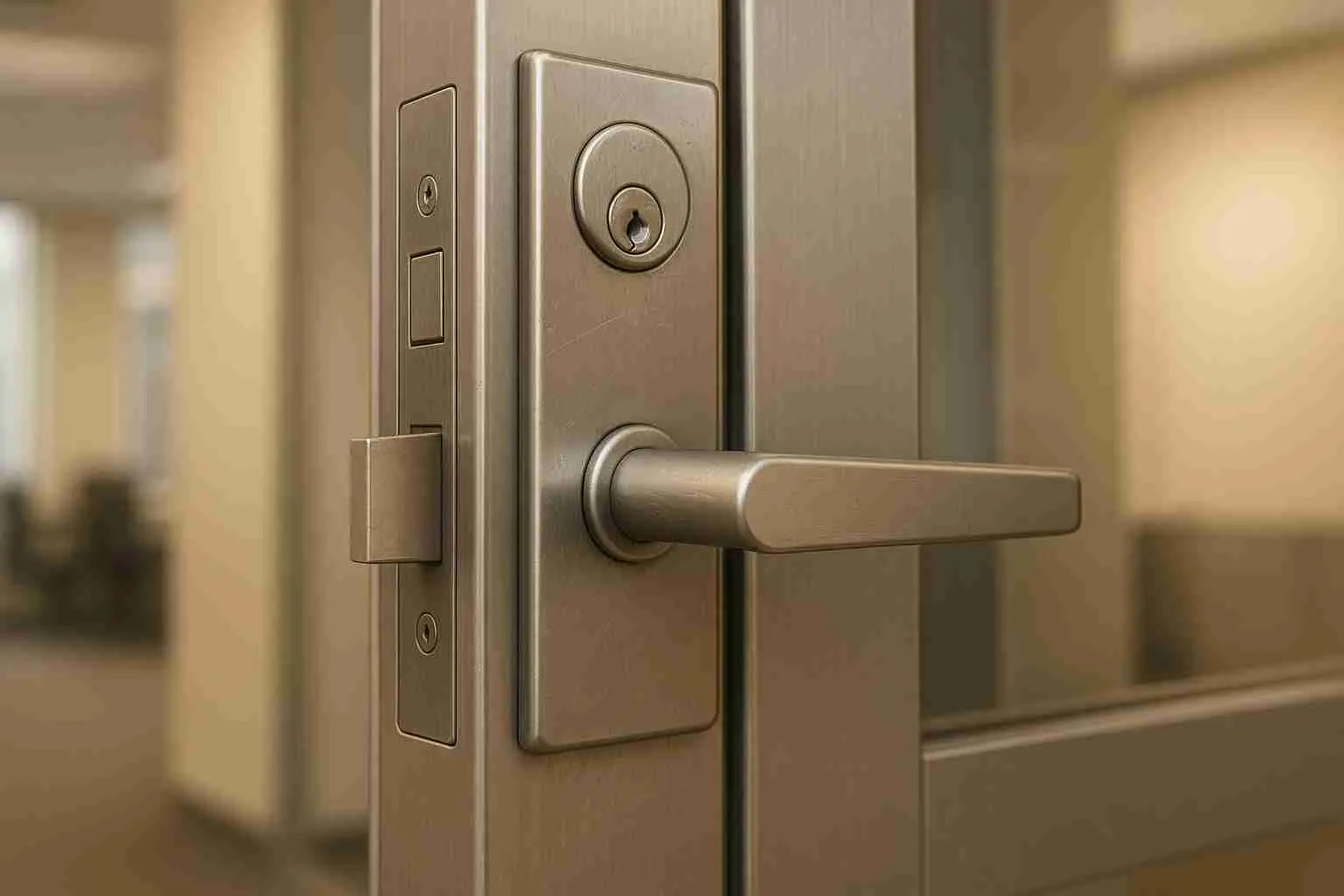
Commercial door locks are essential for keeping businesses secure, but they aren't immune to issues. Some common problems include stiff locks, misaligned strike plates, broken keys, and internal wear. These issues can disrupt operations, compromise safety, and lead to costly repairs if not addressed promptly. Here's a quick breakdown of key points:
- Stiff Locks: Caused by dirt buildup, lack of lubrication, rust, or worn components. Regular cleaning and lubrication can help.
- Misaligned Strike Plates: Often due to building shifts, temperature changes, or loose hinges. Simple adjustments or repositioning can fix this.
- Broken or Stuck Keys: Resulting from material wear, excessive force, or poor maintenance. Use proper tools for removal or call a locksmith.
- Internal Wear: Worn springs or tumblers can cause loose keys or grinding sounds. Early detection can prevent lock failure.
Routine maintenance like cleaning, lubrication, and inspections can prevent these problems. For more complex issues, professional locksmiths offer reliable solutions and security upgrades, ensuring your locks remain functional and secure.
How to remove a commercial lock tailpiece. Storefront lock. Mortise lock repair. Easy fix
Stiff or Hard-to-Turn Locks
When commercial door locks become difficult to operate, they can compromise security and disrupt daily operations.
What Causes Locks to Become Stiff
One of the main reasons locks become stiff is dirt and debris buildup. In busy environments, dust and particles can accumulate inside the lock mechanism, making it harder to insert or turn keys. Over time, this buildup can significantly affect functionality.
Another common issue is a lack of proper lubrication. Without lubrication, friction increases between the moving parts, leading to corrosion and resistance. Many business owners overlook this simple maintenance step. Locksmith Alan Cais highlights its importance:
"As a locksmith, I see how little attention people pay to their locks. Aside from your mobile phone, your locks are the one thing you use every day. You should lubricate twice a year (when you change your clocks is easy to remember)."
Moisture exposure is another factor, particularly in humid areas or outdoor environments. Moisture can cause rust to form on internal components, creating rough surfaces that make the lock harder to operate.
Worn internal parts are inevitable with frequent use, especially in commercial settings. Springs lose tension, pins wear down, and cylinders develop scratches, all of which can interfere with smooth key operation. Environmental factors like cold weather can also freeze internal components, while building shifts may cause misalignment between the lock and strike plate. Even poorly cut or worn keys can add to the problem by increasing friction and resistance.
How to Fix Stiff Locks
Fixing a stiff lock often involves a combination of preventative care and immediate action.
Start by cleaning the lock thoroughly. Use compressed air to remove dirt and debris from the keyway and internal mechanisms. This simple step can resolve minor issues without professional help.
Next, apply a lubricant, such as a graphite or silicone-based product. Steer clear of oil or grease, as these can attract more dirt and worsen the problem. Insert the lubricant into the keyway and work the key back and forth to distribute it evenly.
Check and tighten screws on the lock and strike plate to ensure proper alignment. Misaligned doors or frames can affect how the lock functions, so inspect for sagging or other structural issues.
If the key itself is worn, bent, or has rough edges, replace it. A damaged key can harm the lock cylinder and make turning more difficult.
When cleaning and lubrication don’t solve the issue, the problem may lie with worn internal components. In such cases, forcing the lock can cause further damage, leaving your business vulnerable. It’s best to seek professional help.
For more persistent problems, professional locksmith services can provide reliable solutions. Companies like Roadrunner Lock and Key in Albuquerque, NM, offer both emergency repairs and routine maintenance to ensure your locks stay in top condition.
Door Locks That Don't Line Up with Strike Plates
When strike plates and locks don’t align properly, your door’s security takes a hit. This misalignment can leave your business vulnerable to break-ins. Understanding what causes this issue can help you fix it effectively.
Why Locks and Strike Plates Get Misaligned
Several factors can throw off the alignment between your door lock and strike plate. These include:
- Building settling: Over time, soil movement or moisture changes can cause your building to shift, affecting door frames.
- Temperature changes: Wooden doors expand and contract with fluctuations in temperature, disrupting alignment.
- Improper installation: Poorly installed locks or doors often lead to alignment issues that worsen over time.
- Everyday wear: Constant opening and closing can loosen strike plate screws.
- Loose hinges: When hinges aren’t secure, doors may sag or shift, making alignment nearly impossible.
How to Fix Alignment Problems
Once you know what’s causing the misalignment, fixing it becomes much easier.
Start by identifying the problem area. Use chalk or lipstick on the deadbolt to pinpoint where the latch and strike plate don’t meet. Then, try these steps:
- Tighten hinge screws: Focus on the top screws to correct minor shifts.
- Reposition the strike plate: For small misalignments (less than 1/16 inch), loosen the strike plate screws and adjust its position.
- Fill and reposition: For larger gaps, remove the strike plate, fill the old screw holes with wooden dowels and glue, and install it in the correct position with new screws.
- Chisel or shim: If the strike plate scrapes, chisel a deeper recess. For sagging doors, shim the hinges with cardboard where the gaps are largest.
Here’s a key statistic: about 34% of burglaries happen through front doors, making proper lock alignment a critical part of your security strategy.
As one locksmith puts it:
"Misaligned strike plates undermine your lock's strength, routine inspections help maintain alignment and keep your property protected".
If you’ve tried these fixes and the problem persists, it’s time to call in a professional. Businesses like Roadrunner Lock and Key in Albuquerque, NM, specialize in commercial lock repairs and can handle complex alignment issues that DIY methods might not resolve.
Broken or Stuck Keys in Locks
Dealing with a broken key in a commercial lock can bring operations to a standstill, create security concerns, and leave employees locked out. Knowing why keys break and how to safely remove them can save both time and money for your business.
Why Keys Break or Get Stuck
Keys breaking or getting stuck usually boil down to wear and tear or poor maintenance. Here’s a closer look at some common causes:
Material Weakness
"Keys are usually made from brass, soft metal and aren't as strong as we might assume."
Brass, a relatively soft metal, is prone to wear over time. This makes keys more likely to snap, especially if too much force is applied.
Excessive Force
"The easiest approach to prevent this is to apply moderate pressure when gripping them."
Using too much pressure on a key, whether in a rush or when the lock isn’t turning smoothly, can cause it to break under stress.
Environmental Factors
Weather can warp or bow doors, which adds extra strain on keys. Temperature changes can also affect the lock mechanism, making it harder for keys to operate properly.
Poor Lubrication
Without proper lubrication, friction builds up in the lock, causing wear on both the key and the mechanism. Debris can also accumulate, leading to jamming or sticking issues.
Key Misuse
Keys are tools for locks, not makeshift box openers. Using them for unintended purposes can weaken the metal over time. Even minor nicks or bends can create stress points that eventually lead to breakage.
Understanding these factors can help you prevent key failures and handle them effectively when they occur.
How to Remove Broken Keys Safely
If you find yourself with a broken key stuck in a lock, resist the urge to grab the nearest object to pry it out. Improvised tools can worsen the situation by pushing the broken piece deeper or damaging the lock.
- Stop and Assess: Check if part of the key is still visible. If it is, your chances of removal are better. Avoid trying to turn the lock with the broken piece still inside, as this could jam the mechanism further.
- Use the Right Tools: Needle-nose pliers or tweezers can help you grip the visible piece. Gently wiggle it while pulling straight out, avoiding any twisting motion that might wedge it further.
- Specialized Tools: Broken key extractors, thin tools with hooks designed for this purpose, can grab the piece even if it’s flush with the lock face. However, these require a bit of skill to use effectively.
- Know When to Stop: If the key is completely inside the lock or your attempts aren’t working, it’s best to call a professional. Continued efforts can push the broken piece deeper, making removal more difficult. Locksmiths have the tools and expertise to extract broken keys without damaging the lock.
In Albuquerque, NM, Roadrunner Lock and Key provides 24/7 emergency locksmith services, including broken key extraction. Their specialized techniques can quickly resolve the issue while keeping your lock intact and secure.
Prevention is Key
To avoid these situations, regular lock maintenance is essential. Keep locks properly lubricated and inspect keys for signs of wear, such as bending, cracks, or other damage. Replacing worn keys before they break can save you from costly repairs later on.
Internal Lock Parts That Stop Working
When the inner workings of a lock fail, you might notice the key turning without actually locking or unlocking, or you may hear grinding noises. These issues often arise due to frequent use, exposure to the elements, or simply the passage of time, which wears down the internal components. Catching these problems early can save you from the hassle of a complete lockout.
Signs Your Lock Mechanism Is Wearing Out
Lock issues rarely happen overnight. Instead, they tend to develop gradually, giving you a chance to spot the warning signs before the lock completely gives out.
Key Turns Loosely Without Engaging
When the key turns easily but the lock doesn’t secure, it’s often due to worn-out tumblers or springs. This can give a false sense of security, as the door may appear locked when it’s not.
Grinding, Clicking, or Scraping Sounds
Unusual noises like these suggest misaligned or damaged internal parts. Metal components might be scraping against each other due to lack of lubrication, or debris could be clogging up the mechanism.
Difficulty Turning the Key
If turning the key feels harder than usual, it could mean that internal parts are corroding, binding, or wearing unevenly.
Visible Rust or Corrosion
Rust on the outside of the lock often hints at more severe corrosion inside. Moisture can seep into the lock, wearing down springs, tumblers, and other crucial components.
Loose or Wobbly Hardware
A doorknob that feels unstable or loose when you turn it usually points to a failing internal mechanism. This can also affect how well the lock aligns with the strike plate.
The most common causes of these issues include mechanical wear from frequent use, lack of lubrication, and defective or misaligned components. Environmental factors, like moisture and temperature fluctuations, can speed up the deterioration process.
Spotting these signs early can help you decide whether a repair will fix the problem or if a full replacement is needed.
Should You Repair or Replace the Lock?
Once you’ve identified wear and tear in the lock’s internal mechanism, the next step is deciding whether to repair it or replace it entirely.
When Repair Makes Sense
If the problem is minor, like loose screws, a lack of lubrication, or a slight misalignment, repairs are often enough. For newer locks, where the damage is more about maintenance than worn-out parts, repairing is usually the most cost-effective choice. Common fixes include cleaning and lubricating moving parts, tightening screws, and adjusting the strike plate.
When Replacement Is Better
If the lock has severe internal damage, extensive rust, or multiple failing components, replacement is often the smarter option. This is especially true for older locks that are outdated or no longer meet modern security standards. In some cases, replacement parts may be expensive or hard to find, making a new lock a more practical solution.
"Regular maintenance of your commercial door hardware, including locks, latches, and access control solutions, is pivotal for several reasons, extending beyond mere functionality to compliance with safety standards and technological advancements.", Jake Pflaumer, National Hardware Expert, Flying Locksmiths
Professional Assessment Is Key
Before deciding whether to repair or replace, it’s crucial to get a professional evaluation. Sometimes, what seems like a minor issue can hide more serious problems that only a trained locksmith can uncover. A professional can inspect the lock’s internal components, test its functionality, and recommend the best course of action for your situation.
For businesses in Albuquerque, NM, Roadrunner Lock and Key provides expert lock assessments and repair services. Their 24/7 availability ensures that lock issues won’t disrupt your operations, and their experienced team can guide you in choosing between repair and replacement.
Consider Security Upgrades
If you’re replacing a lock, it’s worth looking into modern high-security options. These newer systems are designed to be more durable, handle wear better, and offer advanced features for enhanced security. While they might cost more upfront, they can provide long-term reliability and peace of mind.
Ultimately, regular maintenance is your best defense against lock failures. Schedule periodic inspections, keep locks well-lubricated, and tackle small issues before they escalate. These practices will help extend the lifespan of your locks and keep your business secure.
Regular Maintenance and Security Upgrades
Routine maintenance and timely upgrades are key to keeping your commercial door lock system in top shape. These efforts not only help prevent costly repairs but also strengthen your business's overall security, ensuring smooth operations and peace of mind.
Simple Maintenance Steps
Clean and Lubricate Locks
Locks can accumulate dirt and debris over time, leading to sticking or failure. Use compressed air to clear out the keyway and lock cylinder. For lubrication, stick to graphite or Teflon-based products, avoid oil-based options like WD-40, as they attract dust and leave behind residue.
Inspect for Wear and Damage
Look for loose screws, wobbling cylinders, rust, or corrosion. Test the lock by inserting and turning the key. If you notice grinding noises, difficulty turning the key, or visible damage, address the issue immediately.
Secure Hardware
Tighten any loose screws, but be cautious not to overtighten, as this can strip threads or damage the lock housing.
Prepare for Weather Challenges
Weather can take a toll on locks. Freezing temperatures may cause locks to seize, while high humidity accelerates corrosion. In cold climates, use de-icing solutions or cold-resistant locks. For humid areas, increase lubrication and inspection frequency.
Schedule Professional Inspections
While basic maintenance can be done in-house, professional inspections are invaluable. Experts can catch subtle issues that might escalate and are equipped to handle advanced security systems requiring specialized care.
Security Improvements to Consider
Once your locks are well-maintained, think about upgrading to modern security systems for added protection.
Assess Current Security Needs
As your business evolves, your security requirements may change. Consult a professional locksmith to evaluate your current system and pinpoint areas for improvement.
Upgrade to High-Security Locks
High-security locks offer advanced protection against picking, drilling, and other break-in techniques. Many insurance providers even offer discounts for businesses that install these locks.
Consider Smart Lock Technology
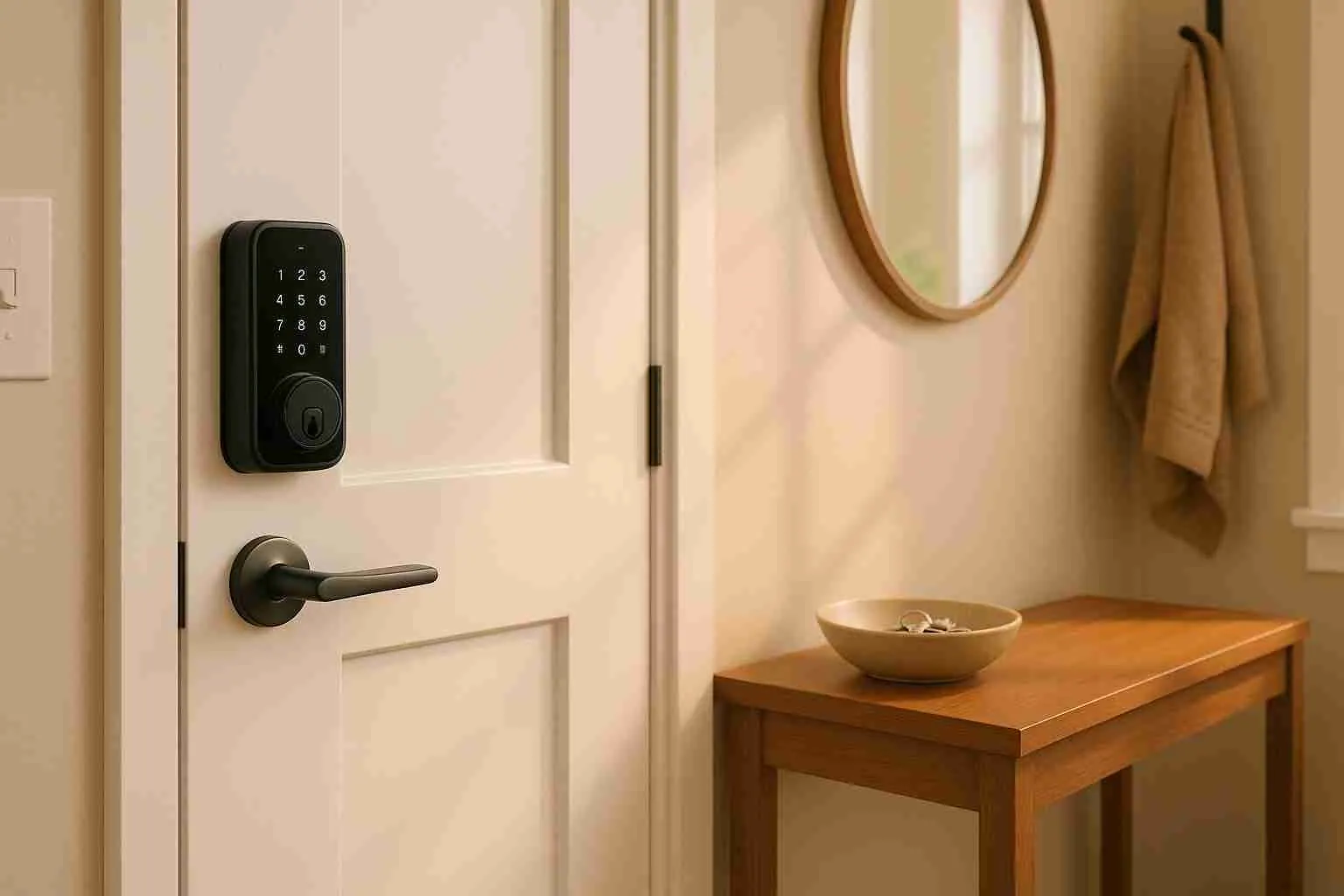
Smart locks use Bluetooth, Wi-Fi, or mobile apps for access control, eliminating the need for physical keys. They rely on encrypted codes, biometric data, or mobile credentials to minimize unauthorized access. Plus, they provide audit trails for tracking who accessed your property and when.
Implement Layered Security
Relying on just one security measure isn’t enough. Combine high-security locks with alarms, access control systems, and CCTV cameras. This layered approach ensures that if one system fails, others can still protect your business.
Professional Installation Is Critical
For high-security locks and smart systems to work effectively, proper installation is a must. Hire a professional locksmith experienced in these technologies to ensure everything is set up correctly.
For businesses in Albuquerque, NM, Roadrunner Lock and Key offers security assessments and upgrade services around the clock.
Plan for System Updates
Modern security systems often require regular software and firmware updates to stay effective. Schedule updates periodically to protect against new threats and maintain peak performance.
Taking care of your locks not only extends their lifespan but also reduces downtime and repair costs while safeguarding your assets and employees.
When to Call a Professional Locksmith
It's tempting to tackle minor lock issues on your own, but some situations call for the expertise of a professional locksmith. Knowing when to make that call can save you time, money, and protect your security.
Certain warning signs are clear indicators that you need professional help. For example, if your key becomes difficult to turn, whether it sticks, only turns partially, or feels unusually hard to turn, it could point to internal damage that requires expert attention. Loose or wobbly locks, including misaligned components or shaky door handles, can also compromise your safety and should be addressed promptly. Visible damage, like rust or corrosion, is another red flag that shouldn't be ignored. For electronic locks, issues such as battery failures, software glitches, or wiring troubles often require specialized knowledge to fix.
"Recognizing the signs that you need a professional lock fix is essential for maintaining the security and functionality of your locks.", PowerKeys Locksmith
Certain situations, like employee terminations, break-ins, or moving to a new location, demand immediate lock updates. In these cases, calling a locksmith can help prevent potential security breaches and provide peace of mind.
Recurring lock issues are another sign that a deeper problem exists. As Cypress Door & Glass LLC explains:
"Call a professional when you face recurring lock issues. Locksmiths offer expert solutions for both mechanical and electronic systems.", Cypress Door & Glass LLC
Understanding these signs can help you decide whether a quick fix will suffice or if professional intervention is the safer choice.
DIY Repairs vs. Professional Locksmith Services
When deciding between handling a lock issue yourself or hiring a locksmith, consider factors like cost, complexity, and security. While DIY fixes may seem like a budget-friendly option, they can sometimes lead to costly mistakes, further damage, or even security vulnerabilities. In fact, 30% of emergency locksmith calls are the result of DIY attempts gone wrong, and repairing a lock damaged by DIY efforts can cost anywhere from $100 to $300.
When DIY Repairs Are Suitable:
- The issue is minor, like cleaning or lubrication
- You have prior experience working with locks
- The lock isn’t critical to your business’s main security system
When Professional Help Is Necessary:
- The lock is electronic or part of a high-security system
- It’s integrated into an access control setup
- Repairs involve complex internal mechanisms
- Attempting DIY could void the lock’s warranty
Professional locksmiths bring the right tools, in-depth knowledge, and a level of assurance that DIY solutions simply can’t match. Many locksmiths also offer warranties on their work, providing an added layer of confidence. They ensure compliance with security standards and can even integrate multiple security components into a comprehensive system. For businesses, these services can sometimes lead to savings on insurance premiums.
If you’re in Albuquerque, NM, Roadrunner Lock and Key offers 24/7 locksmith services. They specialize in commercial lockouts, security upgrades, and emergency assistance. Their round-the-clock availability ensures your security concerns are resolved quickly, keeping your business running smoothly.
Professional locksmith services don’t just address immediate problems, they also strengthen your long-term security.
Conclusion: Keep Your Business Secure and Running Smoothly
To keep your business safe and operational, it’s essential to combine proactive maintenance with a solid plan for handling emergencies. Commercial door lock issues can jeopardize security and bring your operations to a halt. As KC-TEAM from MacArthur Locks & Doors explains:
"In the fast-paced world of business, time lost is money lost... maintaining secure, functional entry points is critical to safety, operations, and customer trust."
The numbers speak for themselves. Retail theft amounted to a staggering $112.1 billion in 2022, with projections suggesting it could surpass $140 billion by 2025. A portion of these losses stems from unauthorized access through poorly secured doors, highlighting just how critical it is to maintain secure, functioning locks.
Quick repairs are your first line of defense. A damaged lock isn’t just an inconvenience, it’s a security risk that can lead to unauthorized access or even break-ins. What might seem like a minor issue, such as a key sticking in the lock, can quickly spiral into a full-blown lockout or worse, a security breach.
Jake Pflaumer, National Hardware Expert at Flying Locksmiths, puts it plainly:
"Regular maintenance of commercial door locks and access control security systems is not just a maintenance task; it's an investment in the safety, security, and functionality of your business."
Simple preventive measures can save you money and stress in the long run. Regularly inspecting locks, cleaning them to prevent dirt buildup, and applying lubricant to keep mechanisms smooth can significantly extend their lifespan. Be on the lookout for warning signs like doors that don’t close properly, keys that stick, or locks that feel loose.
As mentioned earlier, consistent maintenance and timely professional help are essential for safeguarding your business. Expert locksmith services can stop small issues from turning into major problems. For businesses in Albuquerque, NM, Roadrunner Lock and Key offers 24/7 emergency locksmith services tailored to commercial needs. Their around-the-clock availability ensures you’re never left exposed, whether you’re dealing with a lockout or need a comprehensive security upgrade.
Don’t wait for a problem to arise, establish a relationship with a trusted locksmith now to address issues promptly and protect your business from costly security failures.
FAQs
What are some simple maintenance tips to avoid common issues with commercial door locks?
To keep your commercial door locks functioning smoothly and securely, here are a few maintenance tips to keep in mind:
- Clean and lubricate the locks every 6 to 12 months. This prevents dirt buildup and rust. Opt for a non-greasy lubricant specifically made for locks to avoid attracting dust.
- Inspect the locks and hardware on a regular basis. Look for loose screws, worn-out parts, or any visible damage, and tighten or replace components as needed.
- Check for alignment issues by observing if the door closes and locks without resistance. Misaligned locks can lead to unnecessary wear over time.
It’s also important to ensure that the weatherstripping and seals around the door are intact. This helps keep moisture and debris from affecting the locks. Taking these simple steps can go a long way in prolonging the life of your locks and maintaining the security of your business.
When should a business repair a lock, and when is it better to replace it?
Deciding whether to fix a lock or replace it entirely often comes down to how severe the problem is. If you're dealing with minor issues, like a latch that's slightly misaligned or a mechanism that sticks, a quick adjustment or some lubrication might do the trick. But when a lock shows serious wear and tear, rust, damage from a break-in, or simply stops working despite attempts to fix it, it's probably time to replace it.
There are also specific situations where replacing the lock makes more sense. For instance, if the lock frequently malfunctions, if you're looking to upgrade your security, or if there's been a break-in, a new lock is often the safest choice. Keeping your locks in good shape is key to maintaining the security of your business.
What are the advantages of upgrading to high-security or smart locks for your business?
Upgrading to high-security or smart locks for your business can provide a stronger layer of protection while simplifying how you manage access. High-security locks are built with tough materials and advanced mechanisms, making them harder to tamper with or break into. This added durability helps safeguard your property from theft or unauthorized entry.
On the other hand, smart locks bring a modern twist to security with features like keyless entry, remote access, and easy management of multiple users. Forget the hassle of lost keys, smart locks let you quickly update access permissions and even integrate with other security systems for a more cohesive setup. Adopting these solutions not only boosts your property’s safety but also makes managing security a whole lot easier.