Emergency Services12 min read
Ultimate Guide to Residential Lock Rekeying

By Roadrunner Lock and Key ·
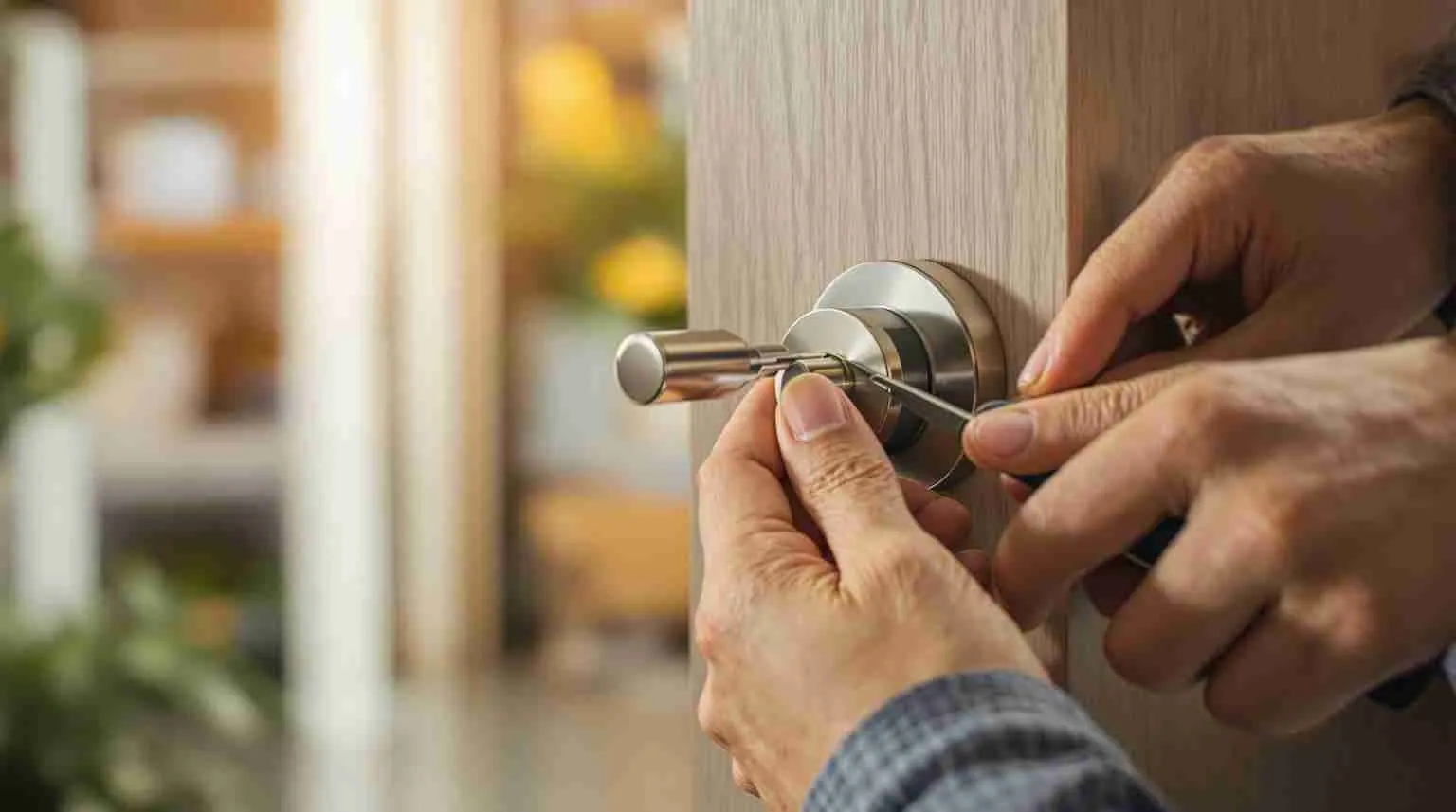
Rekeying your locks is a simple way to improve home security without replacing the entire lock. It involves adjusting the internal components of a lock so it works with a new key, making old keys useless. This is an affordable option for situations like moving into a new home, lost keys, or enhancing security.
Key Points:
- What It Is: Rekeying changes a lock's internal pins to match a new key while keeping the existing hardware.
- Why Rekey: Ideal for new homeowners, lost or stolen keys, or after a security breach.
- Costs: DIY kits cost $10 to $25; professional services range from $50 to $100 per lock.
- Tools Needed: Screwdrivers, pliers, key gauge, plug follower, and a rekeying kit.
- DIY vs. Professional: DIY is budget-friendly but requires precision; professionals are faster and handle complex locks.
If your locks are in good condition, rekeying is a cost-effective way to secure your home. For damaged or outdated locks, consider replacing them for improved functionality and security.
[44] DIY How To Easily Rekey Your Door Without A Key
Tools and Materials Needed for Rekeying
Before diving into a rekeying project, it’s important to gather all the necessary tools. Having everything on hand not only saves time but also ensures a smoother process from start to finish. Here's a breakdown of what you'll need.
Required Tools for Rekeying
To get started, you'll need a few key tools:
- Flathead screwdriver: Used to remove screws during disassembly.
- Needle-nose pliers: Perfect for handling small pins and springs with precision.
- Key gauge: Helps measure pin sizes to match your new key. This ensures the pins are cut to the correct lengths for proper lock functionality.
- Plug follower: A must-have for pushing out the cylinder plug while keeping the internal components in place.
For added convenience, consider specialized tools like pin tweezers, clip removal tools, and a pinning mat to keep everything organized during the process. A silicone-based lubricant is also a good idea, it helps maintain smooth operation and extends the life of your rekeyed lock.
With your tools ready, the next step is to choose the right rekeying kit for your specific lock.
Choosing the Right Rekeying Kit
Finding a rekeying kit that matches your lock’s brand and model is crucial. Locks from different manufacturers, such as Kwikset, Schlage, or Master Lock, often use pins of varying sizes and key bitting specifications. For instance, Schlage locks use bottom pins coded from 0 to 9, with 0 being the shortest at 0.165 inches and 9 the longest at 0.300 inches. This means components from one brand typically won’t work with another.
Start by identifying your lock’s brand and ensure the kit is compatible. To confirm, check that your new key fits smoothly into all the locks you plan to rekey and verify they share similar keyways. A good rekeying kit will include new pins, springs, and a tool for removing the cylinder plug. Look for kits that are versatile enough to handle multiple lock types and come with detailed instructions to guide you through the process.
Since different brands may require unique tools and pin sizes, taking the time to ensure compatibility upfront will save you a lot of frustration later on.
Step-by-Step Guide to Rekeying Your Locks
To get started with rekeying your locks, make sure you're working in a well-lit, organized space. Wear safety goggles for protection and have a secure spot to store small parts like pins and springs during the process.
Removing the Lock Cylinder
Start by taking off the interior screws that hold the doorknob in place. Once the screws are removed, separate the exterior knob from the interior components.
Inside the knob assembly, you'll find the lock cylinder. This is the part that contains the pins and springs responsible for the lock's operation. Be gentle when handling the cylinder, forcing it out can damage the mechanism and make rekeying impossible.
Next, remove the cylinder by locating and taking off the retainer ring or clip using needle-nose pliers. If your lock uses a different type of retention system, refer to the manufacturer’s instructions for guidance. Once the retainer is removed, the cylinder should slide out of the knob housing easily. Handle all parts carefully to avoid damage or loss.
With the cylinder removed, you're ready to adjust the internal pins to match your new key.
Replacing Pins to Match the New Key
Insert your current key into the cylinder and turn it slightly. This aligns the pins with the shear line, allowing you to remove the cylinder plug without scattering the pins and springs.
Use a plug follower tool to carefully push the cylinder plug out of the housing. Make sure the follower tool matches the plug’s diameter to keep the springs contained and prevent them from popping out.
Remove the old pins and springs from the plug chambers one by one. Work slowly and keep the removed components organized in case you need to reference them later.
Now, insert the new key into the empty plug. Use a key gauge to measure the cuts on the key and determine the correct pin lengths for each chamber. Place the new bottom pins into the chambers, ensuring they align with the key's cuts. Always position the pins with the rounded end facing the key. Once the pins are in place, add the corresponding springs.
With the new pins and springs installed, the cylinder is ready to be reassembled.
Reassembling and Testing the Lock
To reassemble the lock, carefully slide the plug back into the cylinder housing while removing the plug follower. As the plug goes in, the springs should compress smoothly, and the plug should fit snugly without forcing.
Secure the cylinder by replacing the retainer ring or clip, making sure it is seated properly. A loose retainer can cause the cylinder to shift during use, so double-check its placement.
Reattach the rest of the lock mechanism to the door. Before finalizing the installation, confirm that the pins are aligned correctly.
Test the lock by turning the new key in both directions and cycling the mechanism several times. It should operate smoothly without any binding or sticking. If the key feels rough or doesn’t turn easily, there might be debris inside the lock or an issue with pin alignment. Apply a small amount of silicone-based lock lubricant to improve operation. If the problem continues, it’s best to consult a professional to avoid further damage.
Keep your old key until you’re sure the new one works perfectly. This way, you won’t risk getting locked out if any issues arise. Once everything is functioning properly, you can safely dispose of the old key.
For ongoing maintenance, apply a silicone-based lubricant periodically to keep your lock in good working condition.
Rekeying vs. Replacing Locks: Pros and Cons
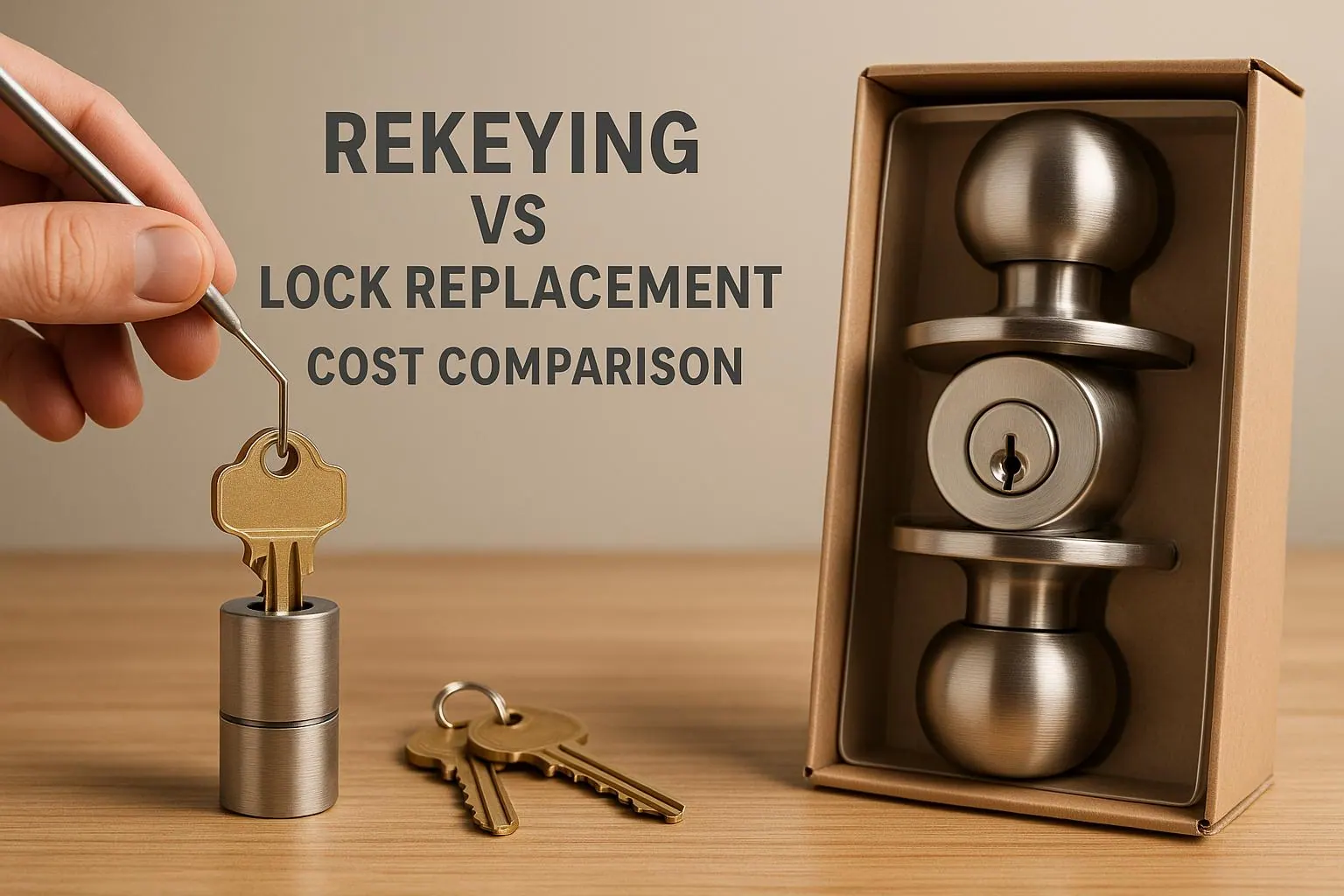
When deciding between rekeying and replacing locks, it’s important to weigh the differences in cost, time, and security. Rekeying involves adjusting the lock’s internal mechanism so it works with a new key, while keeping the existing hardware. Replacing a lock, on the other hand, requires removing the old lock entirely and installing a new one.
Cost Comparison
Rekeying is generally the more budget-friendly option. DIY rekeying kits cost between $10 to $25, and hiring a locksmith for the job typically ranges from $50 to $100 per lock. For an entire house, rekeying costs fall between $70 to $160. Replacing locks is significantly pricier, with costs ranging from $150 to $550 for a whole house, including labor and new hardware.
Time and Convenience
Rekeying is faster, making it a convenient choice for situations like moving into a new home or addressing lost keys.
Security Considerations
While rekeying can adjust your lock’s security, replacing locks provides a complete reset. Replacing locks also opens the door (pun intended) to upgrading to more advanced systems, like smart locks or high-security deadbolts.
"Rekeying a lock does not hurt the security of the lock, nor does it make it more secure. One of the factors that makes a lock secure is how many pins are inside of it. As long as the locksmith swaps the old 5 pins with 5 new ones, the lock will remain just as secure as it was before. If you're looking to get better security of your locks, changing them to new, higher security ones will be the way to go.", Front Range Locksmith
Key Differences: Rekeying vs. Replacing Locks
| Factor | Rekeying | Replacing Locks |
|---|---|---|
| Cost | $70 to $160 (whole house) | $150 to $550 (whole house) |
| Time Required | Faster | Slower |
| Security Reset | Moderate | Complete |
| Appearance Changes | None | Yes |
| Smart Lock Options | No | Yes |
Choosing Between Rekeying and Replacing
Here’s how to decide which approach is right for your situation:
- Rekeying is ideal if your locks are in good condition but need a security update, like after moving into a new home or losing a key. It’s also a great option if you’re working with a limited budget or want to unify multiple locks to use a single key.
- Replacing locks is the better choice if your current locks are old, damaged, or malfunctioning. It’s also the way to go if you’re upgrading to high-security or smart locks, changing the look of your door hardware during a renovation, or addressing concerns about unauthorized key copies. For added security, replacing locks with a high-security system can help prevent future duplication. Keep in mind that locksmiths typically charge around $75 per hour for installation labor.
The condition of your existing locks is a key factor in your decision. Well-maintained locks from reputable brands are great candidates for rekeying, while worn or unreliable locks should be replaced to ensure your home’s security.
When to Call Professional Rekeying Services
While our DIY guide offers a range of rekeying techniques, there are situations where calling a professional locksmith is the smarter choice. Knowing when to rely on expert help can save you time, money, and prevent potential security risks. Complex locks or urgent situations often require the precision and experience that only a professional can provide. This is why, despite the appeal of DIY solutions, professional services remain a critical option.
Benefits of Professional Locksmith Services
Professional locksmiths bring a level of expertise that goes beyond what most DIY methods can achieve. They’re trained to handle a variety of locks and security systems, ensuring the job is done right the first time. This is especially important for intricate lock systems, master key setups, or high-security locks that require specialized tools and techniques.
Another advantage is speed. Professionals can typically rekey a lock in about 15 minutes, which is far quicker than most DIY attempts. On the other hand, a poorly executed DIY rekeying could compromise your security, leaving you vulnerable to break-ins or forcing you to pay for additional repairs.
Emergency availability is another key benefit. Professional locksmiths are on call 24/7, ready to assist if you lose your keys late at night or face a security issue over the weekend. While emergency services may come with an extra fee, the peace of mind from quickly restoring your home’s security is worth it.
Professionals also have access to tools and equipment that most homeowners don’t. These specialized tools ensure precision during the rekeying process and help prevent damage to your locks or doors. Beyond rekeying, locksmiths can assess your overall security setup and recommend tailored upgrades to improve your home’s protection.
Some situations simply demand professional expertise. These include dealing with broken keys lodged in locks, fixing malfunctioning locks, or upgrading your security system. For more complex issues like lockouts, break-ins, or uncertainty about your current locks, professional help is essential.
What to Expect from Professional Rekeying Services
When you hire a professional locksmith, the process is straightforward and efficient. It typically starts with scheduling an appointment and receiving upfront pricing details. On average, professional rekeying services cost between $50 and $100 per lock. This fee ensures secure and reliable service.
Before the locksmith arrives, it’s helpful to gather all the keys that need rekeying and have proof of property ownership ready. This preparation makes the process smoother and avoids unnecessary delays.
During the visit, the locksmith will assess your locks, determine the best rekeying approach, and complete the work with minimal disruption to your day. Once finished, they’ll provide you with new keys and test the locks to ensure everything is functioning properly. Rekeying ensures that only those you authorize have access to your home.
For residents in Albuquerque, NM, Roadrunner Lock and Key is a trusted example of professional locksmith services. They offer 24/7 emergency assistance for lockouts, rekeying, and security upgrades. Whether you’re moving into a new home or addressing an urgent security issue, their round-the-clock service provides dependable support and peace of mind.
Conclusion: Key Points on Residential Lock Rekeying
This guide has walked through the steps, tools, and key decisions involved in residential lock rekeying. Here's a quick recap of the main takeaways: rekeying is an affordable and effective way to boost home security. It disables old keys while keeping your existing locks intact, offering convenience and peace of mind without the expense of full lock replacements.
One of the biggest advantages? Cost savings. DIY rekeying kits typically cost between $10 and $25, while professional services range from $50 to $100 per lock. Compared to replacing all your locks, rekeying achieves similar security benefits at a much lower price point.
Speed is another major factor. Whether you've just moved into a new house, misplaced your keys, or need to secure your property quickly, rekeying delivers a fast and effective solution.
For those who are handy, DIY rekeying offers a budget-friendly option. However, not all situations are suitable for a do-it-yourself approach. Complex lock systems, emergencies, or the need for high-security upgrades often call for professional expertise. Services like Roadrunner Lock and Key in Albuquerque, NM, provide reliable 24/7 support for those moments when professional help is essential.
Ultimately, maintaining a secure home means finding the right balance between DIY convenience and professional know-how. Your choice will depend on your comfort level, the type of locks you have, and how quickly you need the job done. Rekeying remains a practical and flexible way to adapt your home security to changing circumstances, ensuring your family and property stay protected.
FAQs
Why is rekeying a lock often better than replacing it?
Rekeying a lock is often the smarter move because it’s easier on your wallet compared to replacing the entire lock. Typically, rekeying costs range from $75 to $200, while buying and installing new lock hardware can cost much more.
It’s also a quicker and less invasive process. Instead of removing or replacing the whole lock, rekeying lets you simply update the keys, as long as the lock itself is still in good shape. This makes it a great choice if you’ve just moved into a new house or misplaced your keys. And the best part? Rekeying ensures that old keys won’t work anymore, giving you peace of mind without the hassle of a full lock replacement.
How can I tell if my lock is suitable for rekeying at home?
To figure out if your lock is a good candidate for a DIY rekeying project, start by inserting the key you want to use into the lock's keyhole. If the key slides in without any trouble, there's a good chance the lock can be rekeyed to work with it. On the other hand, if the key doesn’t fit, the lock’s cylinder is probably not compatible.
For extra assurance, you can use a key decoder or consult a locksmith to confirm compatibility. Some locks are relatively simple to rekey, but others might need special tools or advanced skills. If you’re uncertain, reaching out to a locksmith can help ensure the job is done right without unnecessary hassle.
When is it better to hire a professional locksmith instead of rekeying locks on your own?
If you’re unsure about the tools or methods needed for rekeying, it’s usually best to hire a professional locksmith. Trying to handle it yourself can sometimes lead to security issues or even cause damage to your locks. A trained locksmith ensures the work is done properly, keeping your home secure.
This is especially true for advanced lock systems, high-security locks, or if your locks are already damaged. Professionals have the skills and experience to manage these situations effectively, sparing you both time and unnecessary stress.