Emergency Services14 min read
Ultimate Guide to Vehicle Lock Security Flaws

By Roadrunner Lock and Key ·
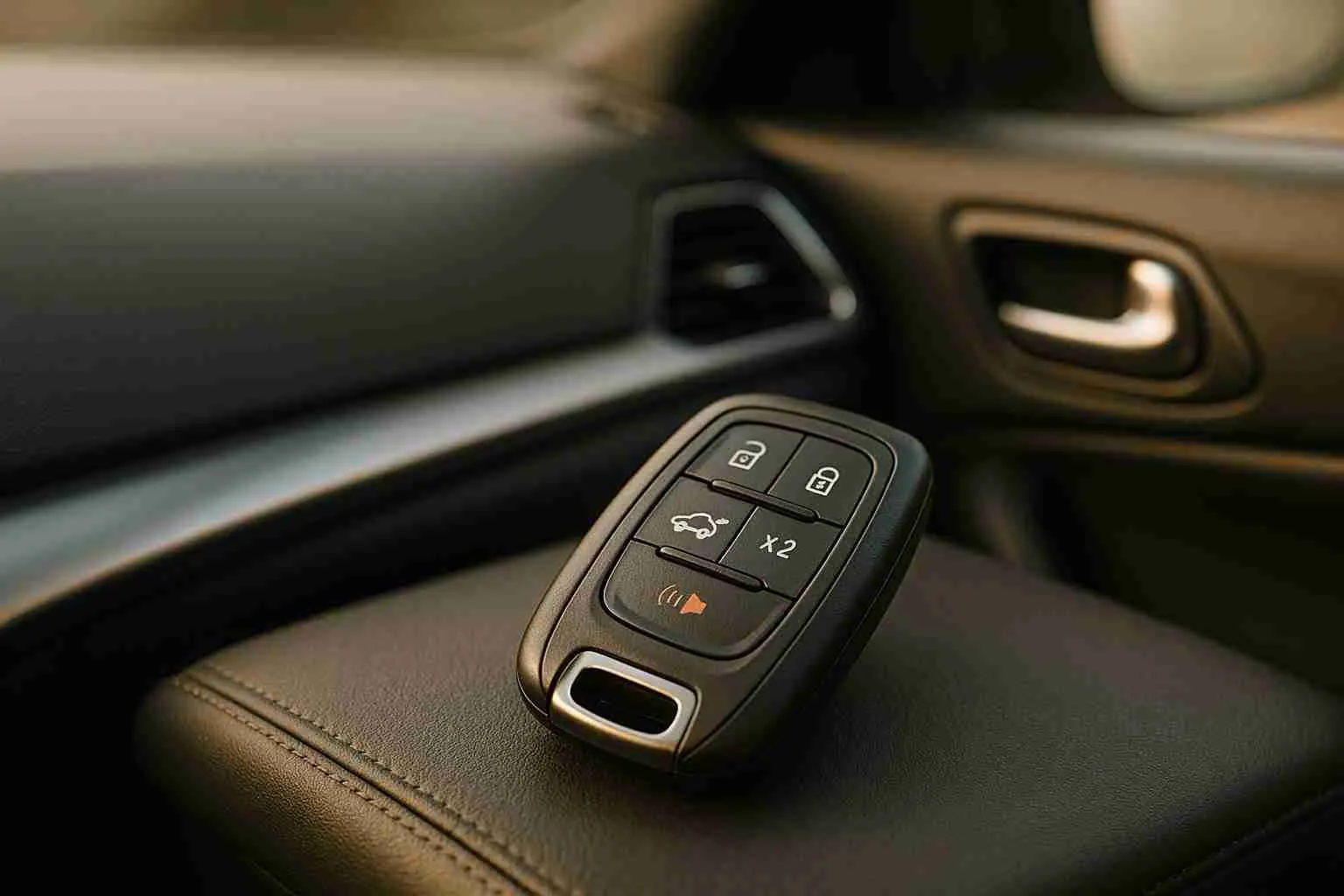
Vehicle theft is evolving. In 2024, 92% of incidents were remote, and over 530 vulnerabilities were reported in automotive systems. Modern cars, with advanced features like keyless entry and smartphone integration, are more convenient but come with increased risks. Criminals exploit both physical and electronic weaknesses, from traditional lock-picking to sophisticated relay and ransomware attacks.
Key takeaways:
- Physical locks: Older methods like slim-jimming still pose risks but require direct access.
- Remote systems: Vulnerable to signal jamming, replay, and relay attacks. Rolling codes and Faraday pouches help mitigate these risks.
- Software vulnerabilities: Hackers exploit flaws in firmware and over-the-air updates, potentially compromising entire systems.
Protect your car by combining physical deterrents (steering wheel locks, secure parking) with modern solutions like encrypted systems, regular updates, and professional locksmith services.
Understanding these risks and taking proactive steps can help keep your vehicle safe in an increasingly digital world.
Keyless Cars Are Easy to Steal
Common Vehicle Lock System Weaknesses
Expanding on the vulnerabilities discussed earlier, this section dives into specific weaknesses found in various vehicle lock systems. Each type of system, whether it's an older mechanical lock or a modern keyless entry system, comes with its own set of challenges that can be exploited by criminals. By understanding these risks, car owners can better assess potential threats to their vehicles.
Physical Lock Weaknesses
Even as technology advances, traditional mechanical locks remain in use, often as backup systems. Unfortunately, these locks are not without flaws and can be targeted using well-known methods.
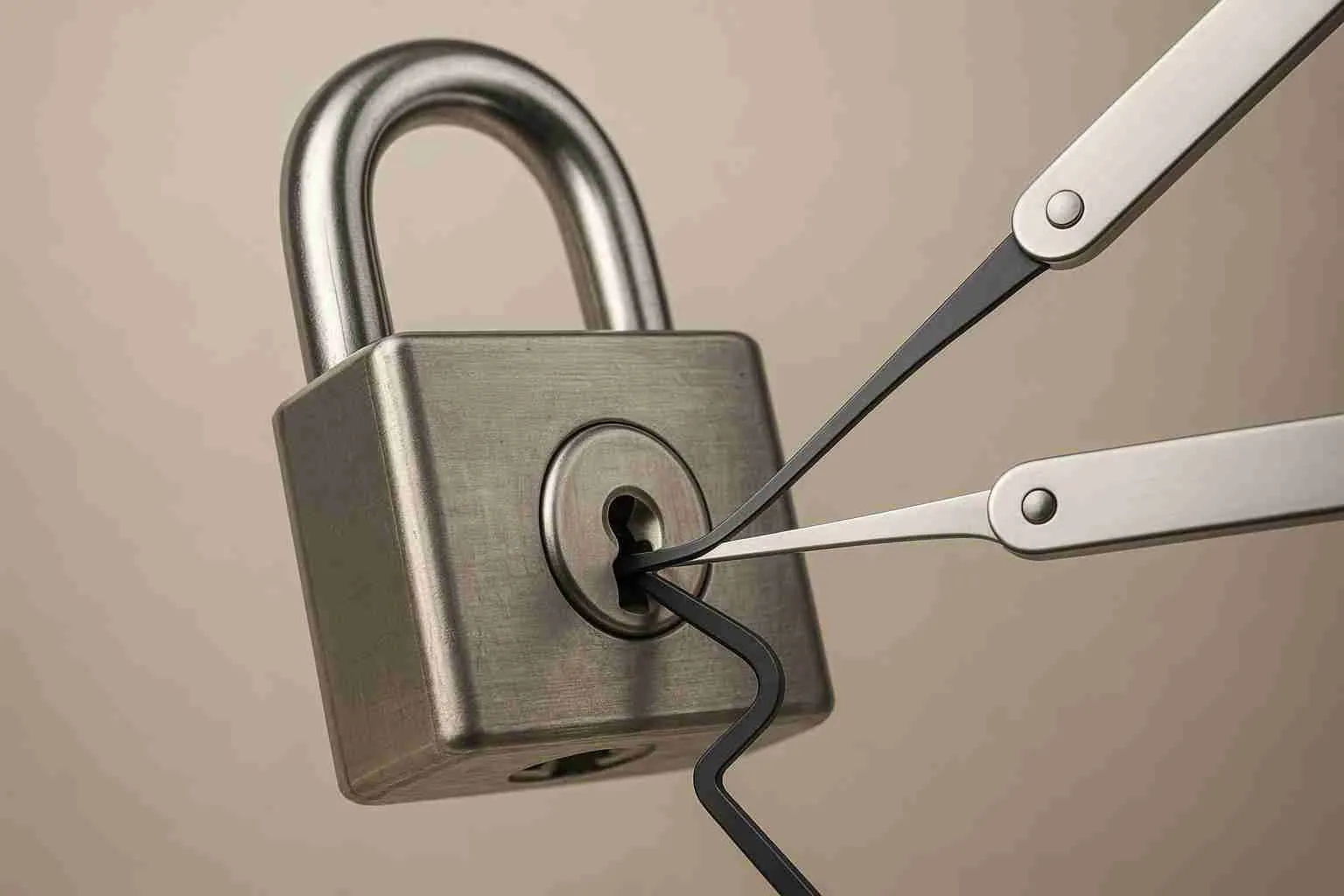
Older car locks, for instance, are susceptible to "slim-jimming", where a thin metal tool is slid between the window and door frame to manipulate the internal mechanisms of the lock system. Another common method involves using bent tools, such as a butter knife, to unlock older American cars with wing or vent windows. Ignition systems in older vehicles were also a weak point, as they could be bypassed or "jumped" to start the car without a key. Additionally, the overall security of a lock depends heavily on the strength of the door and the surrounding structure.
That said, mechanical locks do have one significant advantage: they don't rely on electronic signals, so they can't be intercepted remotely. This means an attacker must have physical access to the car, which adds a layer of difficulty.
Next, let’s explore how remote systems, while more advanced, bring their own vulnerabilities to the table.
Remote Keyless Entry Problems
Remote Keyless Entry (RKE) systems have made unlocking and starting vehicles more convenient, but they’ve also introduced new risks. These systems are vulnerable to attacks due to issues like weak cryptographic protocols, poor key management, and susceptibility to over-the-air exploits.
One common threat is the replay attack, where criminals capture legitimate communications between the key fob and the car, then reuse those signals to gain unauthorized access. Weak encryption algorithms can also be exploited, allowing hackers to reverse-engineer keys or use brute force to break into the system.
Jamming attacks are another concern. In these scenarios, attackers use high-energy radio signals to block the communication between the key fob and the vehicle. Sometimes, jamming is combined with signal interception, enabling criminals to capture rolling codes and use them later.
A study by the General German Automobile Club (ADAC) revealed that 230 out of 237 keyless cars tested could be compromised using relay attacks, a staggering 97% vulnerability rate. Additionally, inadequate supply chain security and poorly managed over-the-air updates leave room for attackers to introduce malicious firmware.
These risks highlight how remote systems have expanded the threat landscape, paving the way for even more complex vulnerabilities in keyless entry systems.
Keyless Entry and Key Fob Risks
Passive Keyless Entry (PKE) systems, while incredibly convenient, come with a broad range of security concerns. Relay attacks are a major issue, where criminals use devices to relay signals between the key fob and the car, tricking the vehicle into thinking the key is nearby. In the UK, 80% of stolen and recovered cars in 2017 were taken without physical keys, underscoring the scale of this problem.
Key fobs themselves can also be exploited. Many modern fobs run on firmware that, if not properly secured, can be compromised by attackers who inject malicious code during updates. Moreover, PKE systems constantly broadcast signals to detect the presence of the key, a behavior that can be exploited by attackers using specialized tools.
For example, the Tesla Model 3 supports Ultra-Wideband (UWB) technology, which is designed to improve security by verifying the distance between the key and the car. However, Tesla has not yet fully implemented UWB for distance checks, leaving the system vulnerable to Bluetooth-based relay attacks.
| Vehicle Entry System | Attack Methods |
|---|---|
| Physical Key | Hot-wiring, slim-jimming, lock picking |
| Remote Keyless Entry (RKE) | Jamming, replay attacks, rolling code interception |
| Passive Keyless Entry (PKE) | Relay attacks |
| RFID (Key Card) | Jamming, signal sniffing, cloning |
Recognizing these weaknesses is an essential step in improving vehicle security and staying ahead of potential threats.
How Attackers Exploit Vehicle Lock Weaknesses
Criminals take advantage of vehicle lock vulnerabilities using a mix of old-school physical methods and cutting-edge electronic tools. As vehicle technology advances, so do the tactics used by attackers. Let’s dive into how these methods work.
Signal Capture and Replay Attacks
Signal capture and replay attacks focus on intercepting the radio frequency signals exchanged between a key fob and a vehicle. Here’s how it works: attackers record the signal sent from the key fob and then replay it to unlock the car without authorization. This method is especially effective against older keyless entry systems that use fixed codes.
Using affordable tools like a Flipper Zero, software-defined radios (SDRs), and even a Raspberry Pi, attackers can easily capture and replay these signals. Software like rpitx helps them broadcast the recorded signals back to the vehicle.
To combat these attacks, modern vehicles have adopted rolling codes. These codes change with every use, making any previously captured signal useless. Despite this improvement, keyless entry theft remains a growing problem. For instance, the UK saw a 93% increase in such thefts in 2021, and over 100,000 cars were reported stolen in Canada in 2022.
While replay attacks exploit the signal itself, relay attacks take a different approach by manipulating the perceived distance between the key fob and the vehicle.
Relay Attacks on Keyless Systems
Relay attacks are a major threat to modern keyless entry systems. These attacks extend the range of the key fob by using paired devices to trick the car into thinking the key is nearby. The equipment needed for these attacks is surprisingly easy to get, with some devices available online for as little as $100.
A notable example occurred in July 2021 in Sawbridgeworth, UK. Thieves used a relay device to scan for the key fob signal inside a home, activating the car’s ignition and driving it away. This was just one of seven similar incidents reported in the area.
Andy Barrs, head of police liaison at Tracker, a security firm, stressed the widespread nature of these attacks:
"As relay attacks become even more prevalent, owners need to protect themselves, particularly since criminal gangs are routinely using relay devices to exploit weaknesses in keyless security systems across a broad range of manufacturers."
Software and Firmware Attacks
As vehicles become increasingly digital, they open up new opportunities for cybercriminals. Modern cars are essentially networks of interconnected computers, making them vulnerable to software and firmware attacks. Bruce Emaus, chairman of SAE International's embedded software standards committee, put it this way:
"It would be easy to say the modern car is a computer on wheels, but it's more like 30 or more computers on wheels."
In 2023, over 95% of vehicle attacks were conducted remotely, targeting more than a million vehicles. These attacks often exploit flaws like software bugs, GPS vulnerabilities, sensor issues, and weaknesses in over-the-air (OTA) updates.
One alarming case involved Kia's owner portal, where researchers found a flaw that allowed attackers to remotely control cars using just the license plate and VIN. Kia addressed the issue in mid-2024. Similarly, researchers identified 14 vulnerabilities in BMW’s infotainment and telematics systems, which could allow remote code injection through OTA updates. BMW worked with researchers to fix these issues via software updates.
At Pwn2Own Automotive 2024, the NCC Group showcased an attack on the Pioneer DMH-WT7600NEX infotainment system. By exploiting three separate vulnerabilities, improper HTTPS validation, a directory traversal flaw, and poor exception handling, they achieved remote code execution and implanted spyware. In-Vehicle Infotainment (IVI) systems are particularly appealing to attackers, as they can be used to track locations, listen to conversations, steal personal data, or even control certain vehicle functions. Additionally, hardware flaws can be exploited to bypass Memory Protection Units (MPUs), giving attackers access to protected memory areas.
These examples highlight how software and firmware vulnerabilities have become a critical area of concern in vehicle security, underscoring the need for constant vigilance from both manufacturers and car owners.
How to Improve Vehicle Lock Security
To address common vulnerabilities, taking proactive steps can help reduce the risk of vehicle theft. With a car stolen every 31 seconds in the U.S., these measures can significantly enhance your vehicle's protection.
Physical Security Steps
Start with simple but effective physical security measures. Steering wheel locks, for example, are an excellent deterrent. They make it clear to potential thieves that your vehicle won't be an easy target.
Where you park also matters. Choose well-lit, high-traffic areas with good visibility. Avoid secluded spots, dimly lit alleys, or areas with limited foot traffic, as these can increase the risk of theft.
Another key habit is securing your vehicle every time you step away. Surprisingly, 30% of vehicle break-ins happen because the car is left unlocked. Always lock your doors, roll up your windows, and keep valuables out of sight. You might also consider VIN etching, which involves marking your car’s identification number on its windows or parts. This simple process makes it harder for thieves to resell your car or its components.
Don’t forget to take advantage of the security features already built into your car. Many modern vehicles come with immobilizers that prevent the engine from starting without the correct key, as well as advanced alarm systems designed to deter theft.
Once you've strengthened your physical security, consider bringing in experts to assess and enhance your vehicle’s defenses.
Working with Professional Locksmiths
Experienced automotive locksmiths can provide an extra layer of security by evaluating your vehicle’s current setup and recommending improvements. They can also ensure that all locks, keys, and security systems are functioning as they should.
For example, Roadrunner Lock and Key in Albuquerque, NM, offers a wide range of vehicle security services. These include emergency lockout assistance, key fob programming, and security upgrades. Their technicians also perform routine maintenance on both mechanical and electronic systems to address potential issues before they become bigger problems.
Having a reliable locksmith on call can be a lifesaver in emergencies and is an essential part of a well-rounded approach to vehicle security.
Vehicle Lock Systems Risk Comparison
Let’s take a closer look at the risks tied to different vehicle lock systems and the steps you can take to safeguard your car. With over 80% of new vehicles in the U.S. now featuring some form of keyless entry, the rise in keyless car thefts, up by more than 50% in certain major U.S. cities since 2020, highlights the importance of understanding these vulnerabilities.
One of the most concerning methods, relay attacks, can be executed in under two minutes, with most thefts happening in less than a minute. These attacks often leave no physical trace, making it tough to detect or investigate.
Vehicle Lock Systems Risk Table
Here’s a summary of the risks and countermeasures for various vehicle lock systems:
| Vehicle Lock System | Common Vulnerabilities | Risk Level | Recommended Countermeasures |
|---|---|---|---|
| Mechanical Key | Lock picking, bumping, physical force | Low-Medium | High-security lock cylinders, steering wheel locks, aftermarket immobilizers |
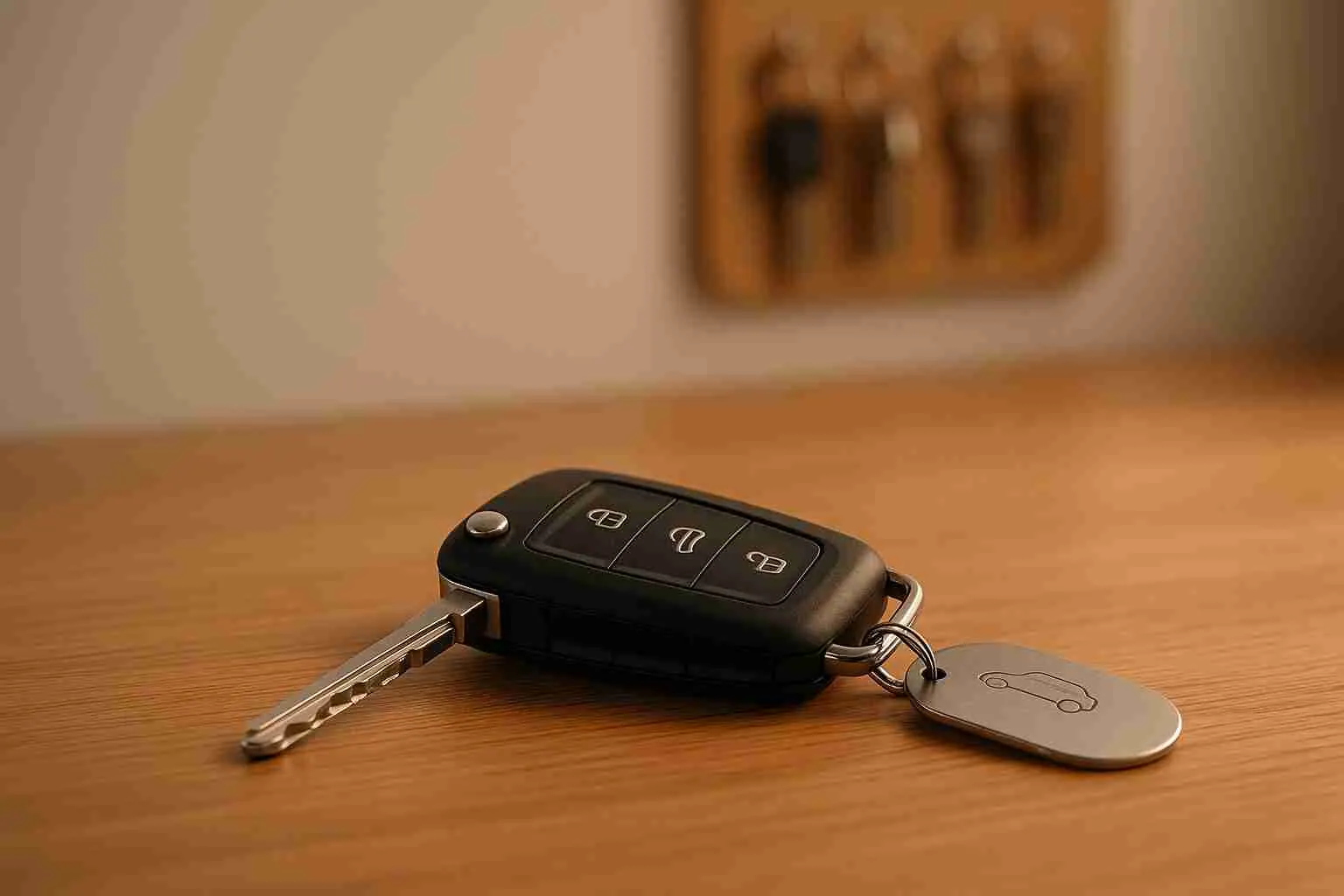
| Remote Keyless Entry (RKE) | Signal jamming, replay attacks, rolling jam attacks | Medium | Rolling code technology, signal encryption, regular firmware updates |
| Passive Keyless Entry (PKE) | Relay attacks, signal amplification | High | Signal-blocking pouches (Faraday bags), Ultra-Wideband technology, motion sensors |
| RFID Key Card | Signal jamming, sniffing, cloning | Medium | Strong encryption, two-factor authentication, secure storage |
| Telematics/OTA Systems | API exploits, firmware injection, remote hacking | High | Secure APIs, authenticated OTA updates, regular security audits |
Each lock system has its own set of challenges, so it’s important to tailor your security measures accordingly.
Mechanical locks are the most resistant to remote attacks, making them less vulnerable to electronic hacking. However, they can still be compromised through traditional methods like lock picking or bumping. Adding high-security lock cylinders or steering wheel locks can provide an extra layer of protection.
Remote keyless entry systems face moderate risks, particularly from techniques like rolling jam attacks, which intercept and manipulate the codes sent between your key fob and car. Even systems designed to block simple replay attacks can fall victim to these more advanced tactics. Regular firmware updates and signal encryption can help mitigate these risks.
Passive keyless entry systems, on the other hand, are at the greatest risk. Relay attacks allow thieves to amplify the signal from your key fob, even if it’s inside your house, to unlock and start your car. While Ultra-Wideband (UWB) technology is being introduced to counter these attacks, it’s not yet widely adopted. In the meantime, using Faraday bags or pouches to block signals is a practical solution.
Connected vehicle systems bring a whole new level of risk. Vulnerabilities in over-the-air (OTA) updates have enabled hackers to inject malicious firmware, potentially compromising an entire fleet of vehicles. To stay protected, these systems require secure APIs, authenticated updates, and frequent security audits.
The risk levels in the table reflect both the likelihood of an attack and the potential damage it could cause. While lower-risk systems like mechanical locks may only need basic physical deterrents, high-risk systems like passive keyless entry and telematics demand a combination of advanced and layered defenses.
When deciding on security measures, it’s wise to consider your vehicle type and local crime trends. For instance, urban areas with more tech-savvy thieves might call for more sophisticated protections, while rural areas may see more traditional theft methods.
Conclusion
Vehicle security is now under siege from both old-school tactics and cutting-edge electronic threats. In 2023 alone, California reported a staggering 208,668 stolen vehicles, while Colorado topped the charts for theft rates per capita. Even more alarming, certain Hyundai and Kia models lacked electronic immobilizers, leading to theft claim rates nearly seven times higher than other brands.
In the UK, the shift toward electronic vulnerabilities became evident in 2017, when 80% of car thefts involved no original keys. This shift highlights the growing sophistication of theft techniques and the pressing need for enhanced security solutions.
Main Points to Remember
The key takeaway? Vehicle security demands a layered strategy. No single measure can shield your car from the wide array of threats it faces today. Mechanical locks resist remote attacks but can be physically compromised. Remote keyless systems are vulnerable to signal interception, while passive systems face the danger of relay attacks.
Your everyday habits also play a big role in protecting your vehicle. For example:
- Keep your keys in a metal cabinet or Faraday pouch to block transmissions.
- Use additional physical deterrents like steering wheel locks or GPS tracking systems for extra protection.
By combining smart daily practices with expert advice, you can create a strong, adaptable defense against evolving threats.
Getting Professional Help
For a truly secure vehicle, professional expertise is indispensable. Locksmiths can assess your car’s vulnerabilities, recommend solutions tailored to your vehicle and location, and help you stay ahead of local crime trends.
Take Roadrunner Lock and Key in Albuquerque, NM, as an example. They offer a range of services, from key fob replacements to security upgrades, and are available 24/7 for emergencies. Their knowledge of modern vehicle lock systems ensures you get effective, customized solutions.
Professional help is especially valuable when dealing with advanced security technologies. Experts can keep your defenses updated against emerging threats and even provide guidance on insurance policies. Regular reviews of your coverage ensure it aligns with current risks.
Investing in professional services isn’t just about preventing theft, it’s about avoiding the financial and emotional toll that comes with it. As thieves develop more sophisticated techniques, expert advice ensures your vehicle's security stays ahead of the game.
FAQs
What steps can I take to protect my car from relay attacks on keyless entry systems?
To protect your car from relay attacks targeting keyless entry systems, one effective option is to use a signal-blocking pouch or case, commonly known as a Faraday bag. These pouches block your key fob's signal when it's not in use, making it harder for thieves to intercept and amplify the signal.
Whenever you can, park your car in a secure spot, such as a locked garage or an area with minimal signal interference. Additionally, keep your vehicle's software up to date, manufacturers often release security updates to fix potential vulnerabilities. It's also worth checking your car's manual for any built-in security features that could help guard against these types of attacks.
How can I improve the security of older cars with traditional locks?
Securing older vehicles with traditional mechanical locks is crucial to keep them safe from theft. One effective step is replacing the original locks with modern versions that are harder to tamper with, offering better resistance to techniques like lock picking or bypassing.
Adding physical deterrents can also make a big difference. Devices like steering wheel locks, brake locks, or tire locks act as visible obstacles, often discouraging thieves from even attempting to steal the car.
To boost security further, think about installing anti-theft tools such as alarms or kill switches. And, of course, always lock your vehicle and keep the keys stored securely. These measures can go a long way in protecting your older car from unwanted attention.
How do software and firmware issues in modern vehicles affect their security?
Modern vehicles, packed with advanced software and firmware, can sometimes have hidden vulnerabilities that pose serious security risks. These flaws might give hackers a way to access and manipulate essential systems, potentially taking control of functions like the locks, ignition, or even the brakes. Such breaches don't just endanger your safety, they can also invade your privacy.
With cars increasingly relying on interconnected technology, it’s crucial to prioritize regular software updates and implement strong cybersecurity practices. Keeping your vehicle’s systems updated and staying aware of potential risks can go a long way in protecting against cyberattacks.