When should you rekey your home locks? Here are five situations where it’s a smart move:
- Moving into a new home: You can’t be sure who has copies of the old keys, rekeying ensures only you have access.
- Lost or stolen keys: If your keys are misplaced or stolen, rekeying prevents anyone from using them to enter your home.
- Tenant turnover: Landlords should always rekey between tenants to maintain security and avoid liability.
- Old or damaged locks: Worn-out locks can compromise safety. Rekeying works if the lock is functional; otherwise, replacement may be necessary.
- Simplifying access: Rekeying multiple locks to use one key makes life easier and reduces the chance of lockouts.
Rekeying is cost-effective (around $50 to $100 per lock) and faster than replacing locks, making it a practical way to secure your home. However, if locks are damaged or outdated, replacement might be the better option.
1. Moving Into a New Home
When moving into a new home, it's hard to know exactly who might have had access to the property before you. The previous owner, their family or friends, real estate agents, contractors, and even service providers like plumbers or cleaners could have handled keys at some point. Without knowing who still has a copy, your home could be at risk for unauthorized entry.
Rekeying your locks eliminates this uncertainty, ensuring that only you and your family have access from day one.
Who Might Still Have Keys to Your Home
It's common for previous homeowners to create duplicate keys for family, friends, or trusted neighbors. Additionally, contractors, like electricians, HVAC technicians, or cleaning crews, may have been given temporary access during maintenance or renovations. If the home was a rental, property managers or real estate agents may have held master keys and shared them with maintenance workers or other service providers.
Since it’s impossible to track every key, any unreturned copy represents a potential risk.
This is why rekeying your locks as soon as possible is a critical step in protecting your new home.
Best Time to Rekey After Moving
The ideal time to rekey your locks is before you move your belongings into the house. Scheduling a locksmith to rekey the locks on the same day you receive your keys ensures your home is secure from the very start.
Experts recommend rekeying either immediately upon receiving the keys or before moving in. To avoid delays, it’s a good idea to book your locksmith appointment a few weeks ahead of your move-in date. If you've already moved in without addressing this, don’t wait, rekeying should be your next priority.
The cost of rekeying is relatively small, especially when compared to the peace of mind it offers. Knowing that every key to your home is accounted for allows you to feel confident about your family’s safety. Taking this step is a smart move for any homeowner and gives you complete control over who can access your space.
2. Lost or Stolen Keys
Misplacing or having your keys stolen poses an immediate threat to your home’s security. Once out of your possession, there’s no way to track where they might end up, leaving your property vulnerable. The longer you wait to address the issue, the greater the potential risk. Rekeying your locks is a practical solution to regain control and restore your peace of mind.
How Keys Go Missing or Are Stolen
Keys can easily go missing in the hustle of everyday life. Whether you're shopping, eating out, or running errands, they might slip out of a pocket or bag unnoticed, ending up in parking lots, stores, or on public transit. It’s also common to accidentally leave them behind at places like the gym, office, or a friend’s house.
Theft is another significant concern. Car break-ins can lead to stolen house keys, especially if they’re left visible on keychains or inside bags. Purses and backpacks are frequent targets for thieves, and if your keys include any identifying information, such as an address, the risk becomes even more serious.
"Whether you're the sole key keeper or have several household members constantly coming and going, a lost or stolen key could mean that the wrong person may gain easy access to your home.", Schlage
This highlights the importance of acting quickly to prevent unauthorized access.
Rekeying: A Simple and Effective Solution
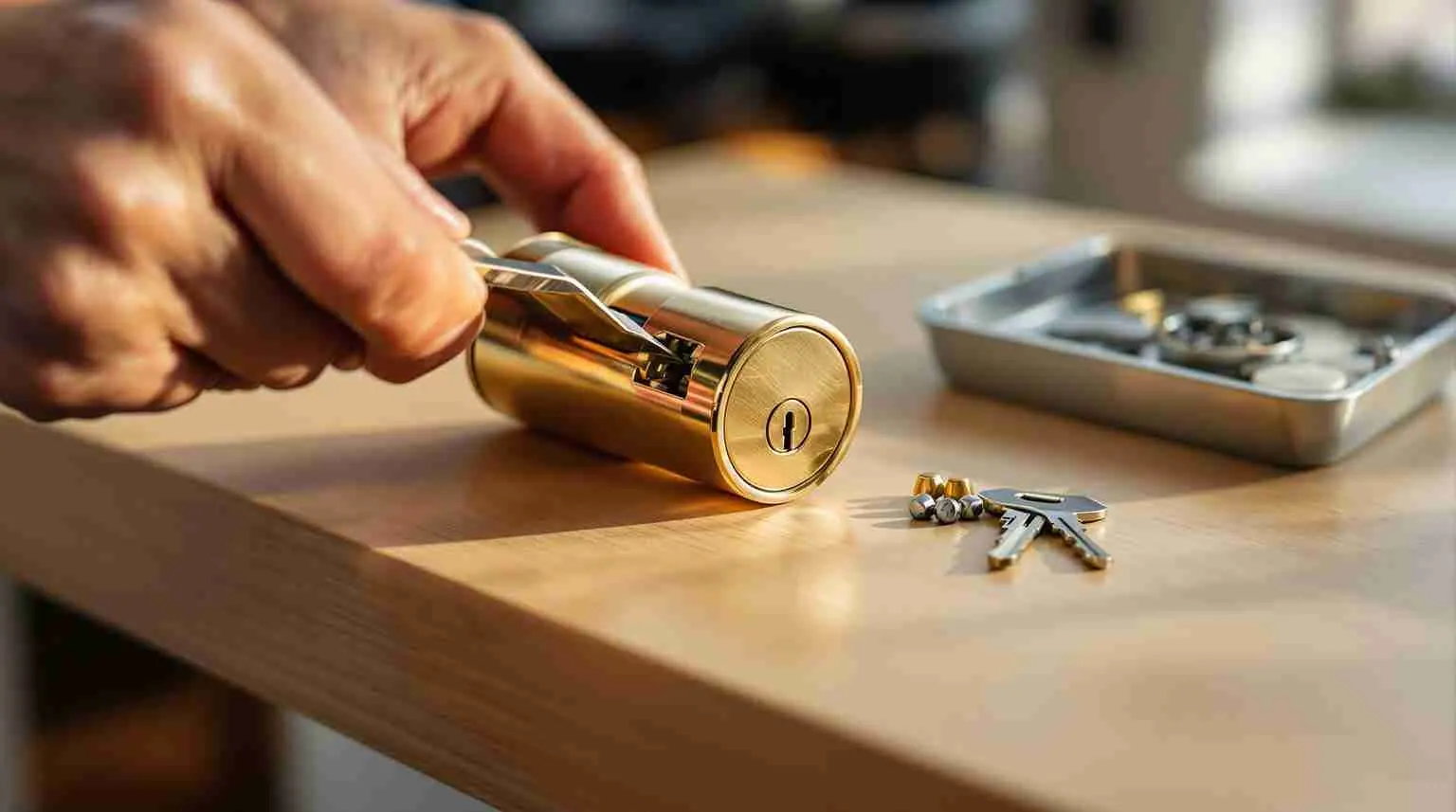
Rekeying your locks ensures that any lost or stolen keys become useless. This process involves resetting the lock’s internal pins to match a new key, rendering the old keys ineffective. It’s a fast and cost-efficient fix, most professional locksmiths can rekey locks on the same day you call.
Compared to replacing the entire lock, rekeying is typically more affordable. The average cost ranges from $50 to $100 per lock. Locksmiths generally charge between $30 and $70 per lock, with an additional service fee of $50 to $100 for the house call. Since the lock hardware stays intact, you’re only paying to adjust its internal components rather than installing brand-new locks. This ensures you maintain control over who has access to your home without unnecessary expenses.
"Losing your keys or suspecting that they may be lost poses a significant security risk. Lost keys can end up in the wrong hands, increasing the chances of unauthorized access to your home.", Easters Lock
If your keys are lost or stolen, don’t wait. Reach out to a locksmith right away to secure your home and protect what matters most.
3. Tenant Changes in Rental Properties
Why Landlords Should Rekey Between Tenants
When a tenant moves out, there’s no way to guarantee that every copy of the property’s keys has been returned. Former tenants might keep duplicates or share them with friends, family, neighbors, or even service providers. This creates a security risk, as individuals unknown to the new tenant could still have access to the property.
Failing to rekey locks can lead to increased risks of theft or vandalism. Residential properties make up 73.2% of all burglaries, and rental homes are even more likely to be targeted compared to owned properties. If a security incident, like a break-in or property damage, occurs because the locks weren’t changed, landlords could face not only legal but also financial liability. In fact, a survey by Schlage revealed that 63% of renters would consider moving out of a property if they felt the security measures weren’t up to par. This highlights how critical it is for landlords to prioritize tenant trust and safety.
Standard Practice for Property Managers
To address these risks, property managers often take proactive steps to maintain security. Rekeying locks immediately after a tenant moves out, or after any situation involving lost keys, is a straightforward way to keep the property secure. Regularly inspecting locks, windows, and alarm systems for vulnerabilities can also help prevent issues before they arise. Keeping tenants informed about these security measures can go a long way in building their confidence.
For a more modern solution, smart locks or electronic keypads are becoming popular. These systems allow landlords to update access codes easily, eliminating the need for physical rekeying. And if you’re not comfortable rekeying locks yourself, hiring a professional locksmith ensures the job is done securely and efficiently.
Ultimately, rekeying between tenants isn’t just a routine task, it’s a vital step to safeguard your property, protect tenants, and avoid potential legal and financial headaches.
4. Old or Damaged Locks
Beyond situations like tenant changes or lost keys, the condition of your locks plays a huge role in your home's security. Aging or damaged locks can leave your property vulnerable to unwanted access.
How to Tell If Your Locks Are Worn Out
Locks endure a lot, daily use, changing weather, and general wear and tear. Over time, these factors can degrade their functionality, making them easier to tamper with and compromising your home's safety.
Here are some signs your locks might be past their prime:
- Difficulty turning the key: If you need to jiggle or force the key, it's a red flag.
- Rust or corrosion: Orange or greenish discoloration around the keyhole or lock body can indicate internal damage.
- Loose or wobbly locks: If the key doesn’t insert or turn smoothly, the mechanism may be failing.
Rust, in particular, can cause the lock cylinder to seize or make it easier for someone to force the lock open. Even if your lock seems functional, if it's over 10 years old, it’s worth getting it inspected. Advances in lock technology have made modern locks more resistant to picking and bumping, so older models may not offer the same level of protection.
When you spot these issues, you’ll need to decide whether rekeying the lock will restore its security or if it’s time for a full replacement.
Rekeying vs. Replacing Old Locks
Once you’ve identified that your locks are worn, the next step is determining whether rekeying or replacing is the better option. This choice largely depends on the lock's condition and the extent of the damage.
- Rekeying: This is a practical, cost-effective solution if the lock body and cylinder are still in good shape. Rekeying is ideal when you simply want to change who has access to the lock. As long as the lock operates smoothly and shows no significant damage, rekeying can restore security without the expense of a full replacement.
- Replacing: If the lock mechanism is compromised, due to rust, corrosion, loose components, or difficulty operating, it’s time for a replacement. Structural issues like these can’t be fixed by rekeying. A new lock ensures better security and reliability, especially for exterior doors where a failing lock poses a serious risk.
Outdated locks are another reason to consider replacement. Older locks, especially those made before modern pick-resistant and bump-resistant technology became standard, are easier for burglars to manipulate. Upgrading to newer locks with advanced security features is a smart way to enhance your home’s protection.
Cost can also influence your decision. Rekeying typically costs between $20 to $50 per lock, while full replacements range from $50 to $200 or more, depending on the lock's quality and features. If you’re replacing a lock due to damage, it’s worth investing in a higher-quality model rather than opting for a basic one.
For locks that are partially worn but not completely damaged, there’s a middle-ground option: replacing the cylinder while keeping the existing lock body. This approach upgrades the internal components for improved security at a lower cost than full replacement. However, it only works if the lock body is still in good condition.
5. Using One Key for Multiple Locks
Streamline your life by rekeying multiple locks to work with a single key.
Advantages of Using Fewer Keys
Carrying fewer keys makes your daily routine easier and reduces potential security issues. When all the exterior doors of your home function with one key, you save time and avoid the hassle of fumbling through a keyring. Plus, managing access becomes simpler, just make copies of one key for family members. This not only helps you keep track of who has access but also lowers the risk of accidental lockouts.
Rekeying all your locks at once can also be more cost-effective than scheduling separate appointments for each lock. However, this works best if your locks are from the same manufacturer or share compatible keyways. Most residential locks from major brands can be rekeyed to match, but it’s always smart to consult a professional locksmith to confirm compatibility.
This simplified setup can also open the door to more advanced systems, like a master key configuration, which offers even greater flexibility for managing access.
Setting Up a Master Key System
A master key system takes the convenience of a single-key setup to the next level by allowing you to customize access to different areas of your home. This is particularly useful for homes with multiple entry points or spaces that require restricted access.
For example, consider a home with a front door, back door, garage entry, and a separate office or rental unit. With a master key system, you can give household members access to specific areas while keeping a master key that unlocks everything. This is perfect for situations like allowing children access to common areas but restricting entry to private spaces, or managing access for tenants in a property with rental units.
To create a master key system, a locksmith adjusts the lock cylinders so they work with both individual keys and the master key. While these systems may be slightly less secure than single-key setups, since the locks are designed to accept multiple key cuts, the added convenience often outweighs this minor drawback for most residential needs.
Before setting up a master key system, take some time to evaluate your access requirements. Identify all the doors in your home, decide who needs access to specific areas, and think about how your needs might change over time. Careful planning ensures that the system is tailored to your situation and remains flexible as your household evolves.
When to Replace Locks Instead of Rekeying
When it comes to securing your home, understanding when to replace locks rather than rekeying them is key. While rekeying can solve many security concerns, there are situations, like damage, outdated locks, or break-ins, where replacing the locks is the better option.
Rekeying vs. Replacing: Side-by-Side Comparison
Deciding between rekeying and replacing locks often depends on factors like the condition of your current locks, your security priorities, and your budget. Here's a quick comparison:
| Factor | Rekeying | Replacing |
|---|---|---|
| Cost | Generally less expensive | Typically more expensive |
| Time Required | Faster process | Takes more time |
| Security Improvement | Changes who can access the lock without altering its quality | Improves both access control and lock quality with newer features |
| Best For | Lost keys, moving into a new home, or tenant turnover | Damaged locks, outdated hardware, or after a break-in |
| Hardware Condition | Works if locks are in good shape | Ideal for worn or damaged locks |
| Lock Compatibility | Limited to the current type and brand | Offers flexibility to switch brands or styles |
These factors can help guide your decision, but specific situations may call for a complete lock replacement.
Rekeying is a practical choice when your locks are in good working condition, and you simply want to update who has access. It’s a popular option for routine security updates like moving into a new home or after a tenant moves out.
However, there are times when rekeying isn’t enough. For example, after a break-in or attempted forced entry, replacing the locks is essential. Even if the damage isn’t visible, internal components may be compromised, reducing the lock’s effectiveness.
If your locks are worn out, think sticking keys, rust, or corrosion, it’s time to replace them. Deteriorated internal mechanisms can make rekeying ineffective. Similarly, outdated locks that lack modern anti-pick or drill-resistant features, or those incompatible with smart technologies, should be upgraded.
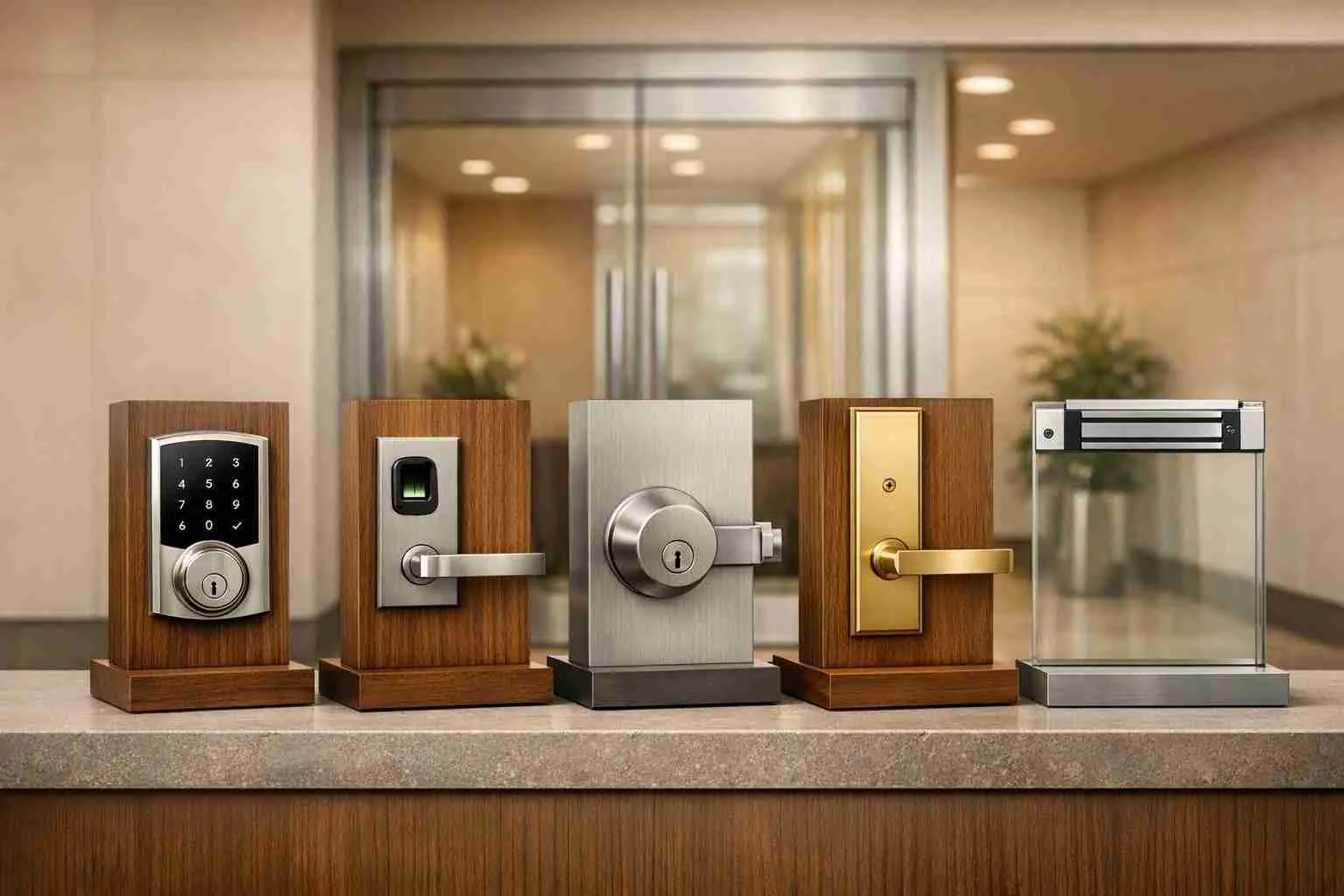
Upgrading to smart or electronic locks also requires a full replacement. These systems come with advanced features like remote access, activity tracking, and temporary codes for guests or service providers, offering a significant boost in convenience and security.
For many homeowners, a hybrid approach works best. You might replace locks on critical entry points, like the front door, while rekeying less vulnerable locks to balance security and cost. This method also pairs well with access management systems, such as master key setups, by focusing on securing the most important areas.
Investing in quality replacement locks can provide long-lasting security and peace of mind. If you’re planning to sell your home soon, rekeying might be a more practical and budget-friendly option since new owners often change locks anyway. But if you’re staying put for the foreseeable future, upgrading to high-quality locks is a smart move for long-term security and reliability.
Conclusion
Knowing when to rekey your locks is a key step in keeping your property secure. Whether you're moving into a new home and uncertain about who might have access, dealing with lost or stolen keys, handling tenant changes in a rental property, noticing worn-out or damaged locks, or simply wanting to streamline your key management, rekeying is a practical and budget-friendly solution.
These scenarios can leave your home vulnerable, but rekeying addresses those risks quickly and efficiently. It’s a simple way to enhance your security without the need to replace your existing hardware.
Taking action promptly not only safeguards your property but also provides peace of mind.
If any of these situations sound familiar, Roadrunner Lock and Key is here to help. Serving Albuquerque, NM, and nearby areas, they offer professional rekeying services with 24/7 availability. Whether it’s an emergency or a scheduled appointment, they’re ready to assist.
Don’t wait until it’s too late. Contact Roadrunner Lock and Key today to secure your home and regain peace of mind with expert rekeying services.
FAQs
What’s the difference between rekeying and replacing locks, and how do I decide which one to choose?
Rekeying and replacing locks are two different approaches to securing your property, each with its own purpose and benefits.
Rekeying involves adjusting the internal pins of your existing locks so that old keys no longer work. This option is often more affordable and works well if you’ve misplaced your keys, recently moved into a new home, or want to ensure that previous keyholders can’t gain access.
Replacing locks, however, means installing entirely new hardware. This is the better choice if your current locks are damaged, outdated, or if you’re aiming to upgrade to a more secure or modern locking system. Ultimately, the right choice depends on your priorities and budget.
What should I do to keep my home secure if I’ve lost my keys or think they might have been stolen?
If you’ve misplaced your keys or think they may have been stolen, rekeying your locks is a practical way to secure your home. By rekeying, you ensure that the old keys no longer work, so only the new keys in your possession can unlock your doors.
This approach is faster and more budget-friendly than replacing the entire lock system. Taking this step promptly helps you stay in control of your home’s security and reduces the chance of potential breaches.
What are the benefits of a master key system, and is it a good option for a residential home?
A master key system lets you use one key to open multiple locks while still keeping individual keys functional for specific doors. This setup works well for larger properties or households with several members, making access management much easier. Some key advantages include better security, easier key management, and the ability to control who can enter certain areas.
For most single-family homes, a master key system might not be essential unless you have specific needs, like managing access to rental units, a home office, or guest rooms. If you're unsure whether this system suits your home, a professional locksmith can evaluate your situation and recommend the best option for both convenience and security.