Locksmith Guides11 min read
What to Do When Locked Out of Your House at Night

By Roadrunner Lock and Key ·
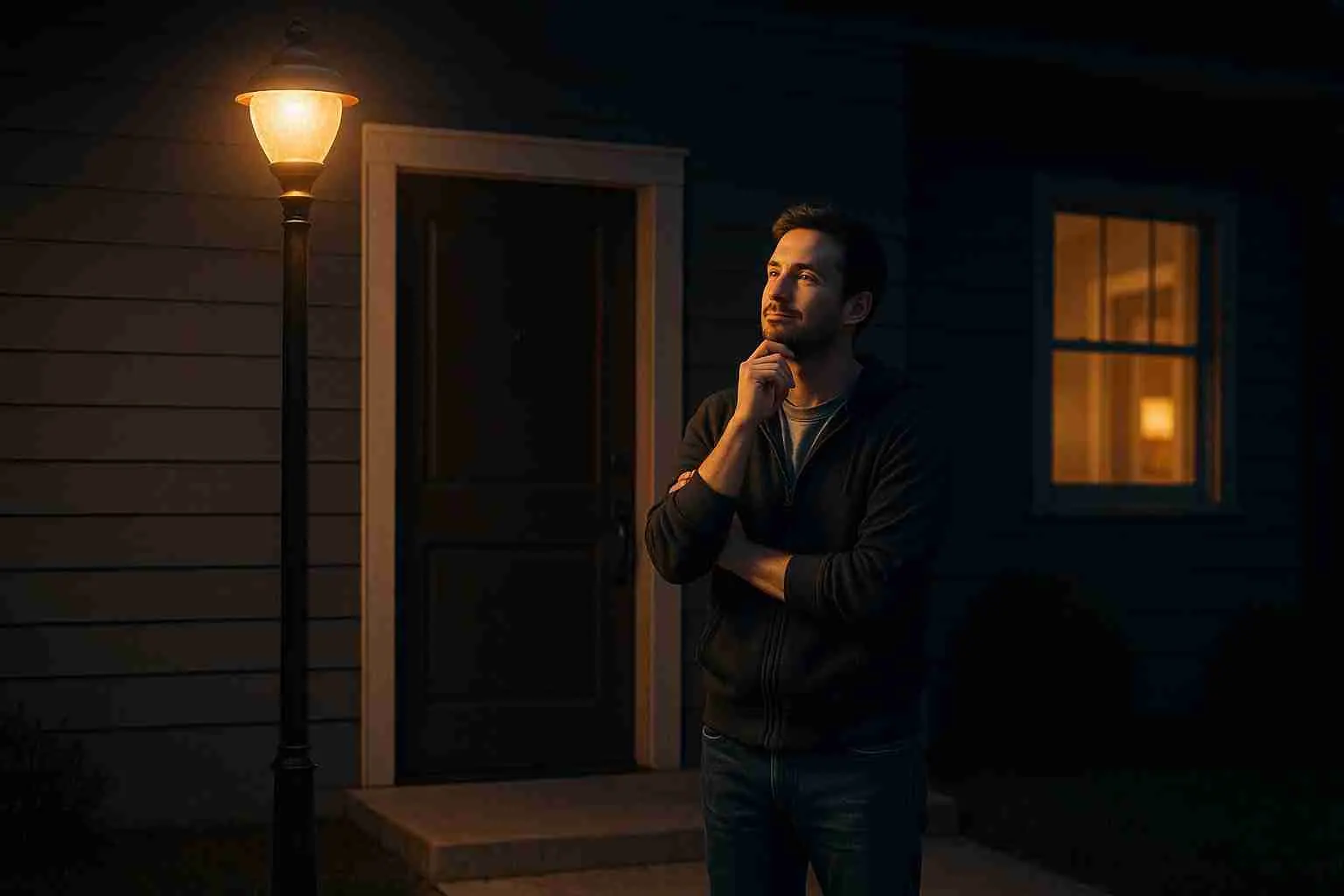
Getting locked out of your house at night can be stressful and even unsafe. Here's what you should do:
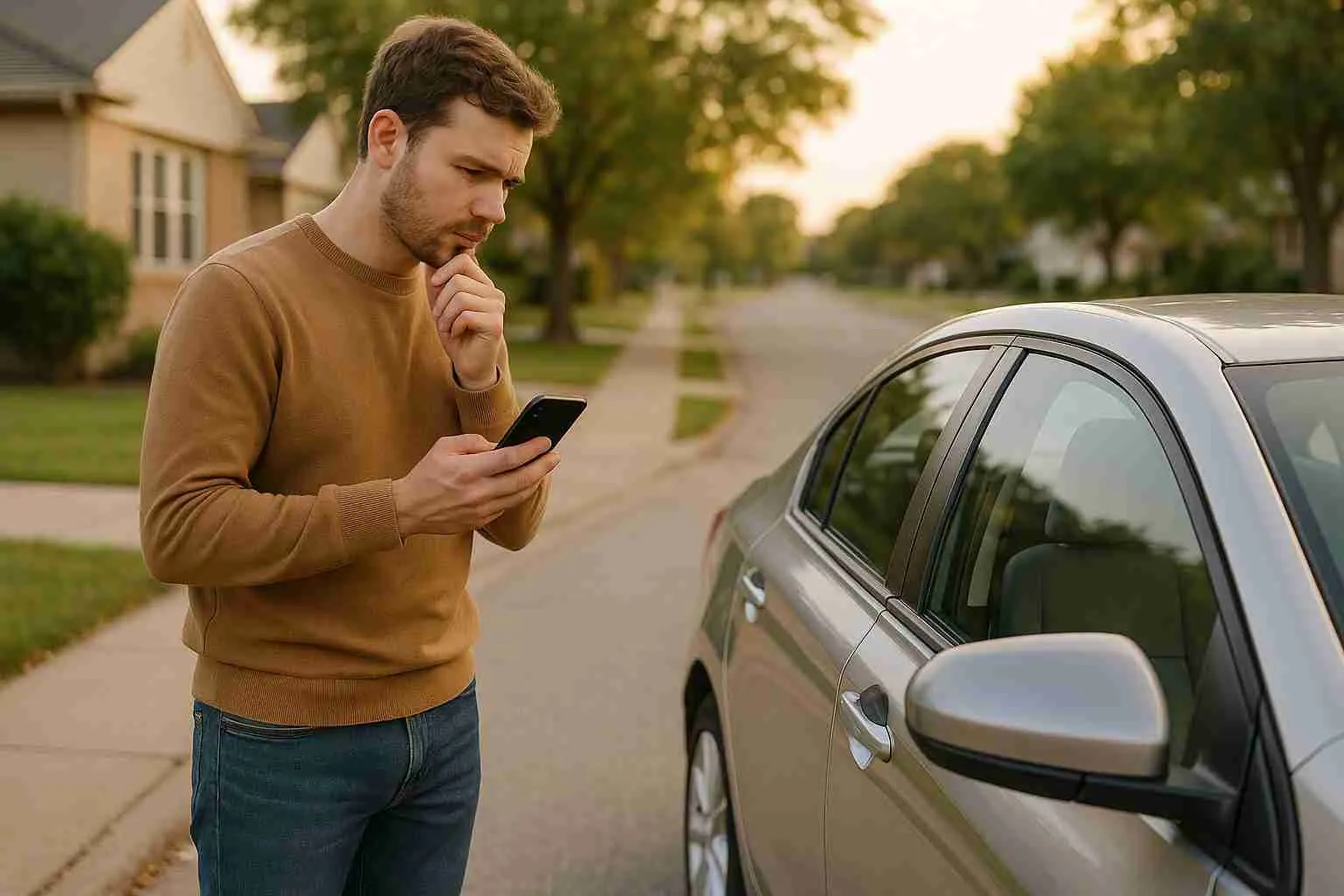
- Stay Calm and Assess: Take a deep breath and evaluate your surroundings. Ensure you're in a safe, well-lit area, and let someone you trust know your location.
- Look for Spare Keys or Openings: Check if you have a spare key nearby or with someone you know. Inspect doors and windows for any unlocked entry points.
- Call a Locksmith: If no quick solution works, contact a 24/7 locksmith. Use trusted reviews to find a reliable service, confirm pricing upfront, and be ready to show proof of residence.
- Stay Safe While Waiting: Wait in a secure, visible area or your car if possible. Keep your phone charged to stay connected.
- Prepare for the Locksmith: Have your ID, proof of residence, and payment ready to speed up the process.
To avoid future lockouts, create a spare key system, double-check for keys before leaving, and establish habits to keep track of them. A little preparation can save you from this hassle next time.
Locked Out of Your House? No Key or Spare? Here’s What Happens Next… Call 02 98912345
First Steps When You're Locked Out
Getting locked out can be frustrating, but how you handle those first moments can make all the difference. Taking a thoughtful, step-by-step approach can help you resolve the situation safely and efficiently.
Stay Calm and Assess Your Situation
The most important thing to do is stay calm. It’s easy to panic, but keeping a clear head will help you think through your options. This is a fixable problem, so take a deep breath.
Next, take a look at your surroundings. Are you in a safe location? If you’re in a dimly lit or isolated area, move to a safer spot, somewhere with good lighting or near other people, like a busy street or a well-lit public area. Let someone you trust know where you are, especially if you’re feeling uneasy. Once you’ve ensured your safety, start thinking about potential solutions.
Check for Spare Keys or Open Entry Points
Before you call in the professionals, take a few minutes to explore simpler options. Do you have a spare key stored nearby or with someone you trust? Maybe a neighbor, friend, or family member has a copy you can use. If so, now’s the time to reach out to them.
If a spare key isn’t an option, inspect all possible entry points. Check all doors, including back, side, and sliding ones, to see if any are unlocked. Don’t forget about ground-level windows or those accessible via a fire escape. If you find an open entry point, make sure it’s safe to use without causing damage to your property.
Decide How Quickly You Need Help
Once you’ve checked for spare keys and open doors, think about how urgent the situation is. If you’re in a safe environment and the weather is mild, you might have time to explore your options. However, if you’re in an unsafe area, bad weather, or feeling vulnerable, it’s better to act quickly.
Your safety matters most. If you feel uneasy or concerned for any reason, don’t hesitate to seek help immediately.
Calling a Professional Locksmith
When quick fixes don't work, reaching out to a professional locksmith becomes essential for regaining secure access. But let’s face it, finding someone reliable, especially late at night, can feel like a daunting task.
How to Find a Reliable 24/7 Locksmith
Not every locksmith operates around the clock, so the first step is ensuring they truly offer 24/7 service. A quick online search for "24-hour locksmith near me" will give you a list of options, but don’t just dial the first number you see. Use trusted review platforms to verify their legitimacy. Look for consistent feedback about fair pricing, prompt arrival, and professional service. Be cautious of locksmiths advertising suspiciously low rates (under $60), as this is a common tactic for scammers who often inflate costs once they arrive.
What Information to Give the Locksmith
Once you’ve identified a locksmith you trust, make sure to provide clear and specific details about your situation. Share your exact location, including your full street address and any relevant apartment or unit numbers. If your location is tricky to find, like in a gated community, mention landmarks or special instructions to help them locate you.
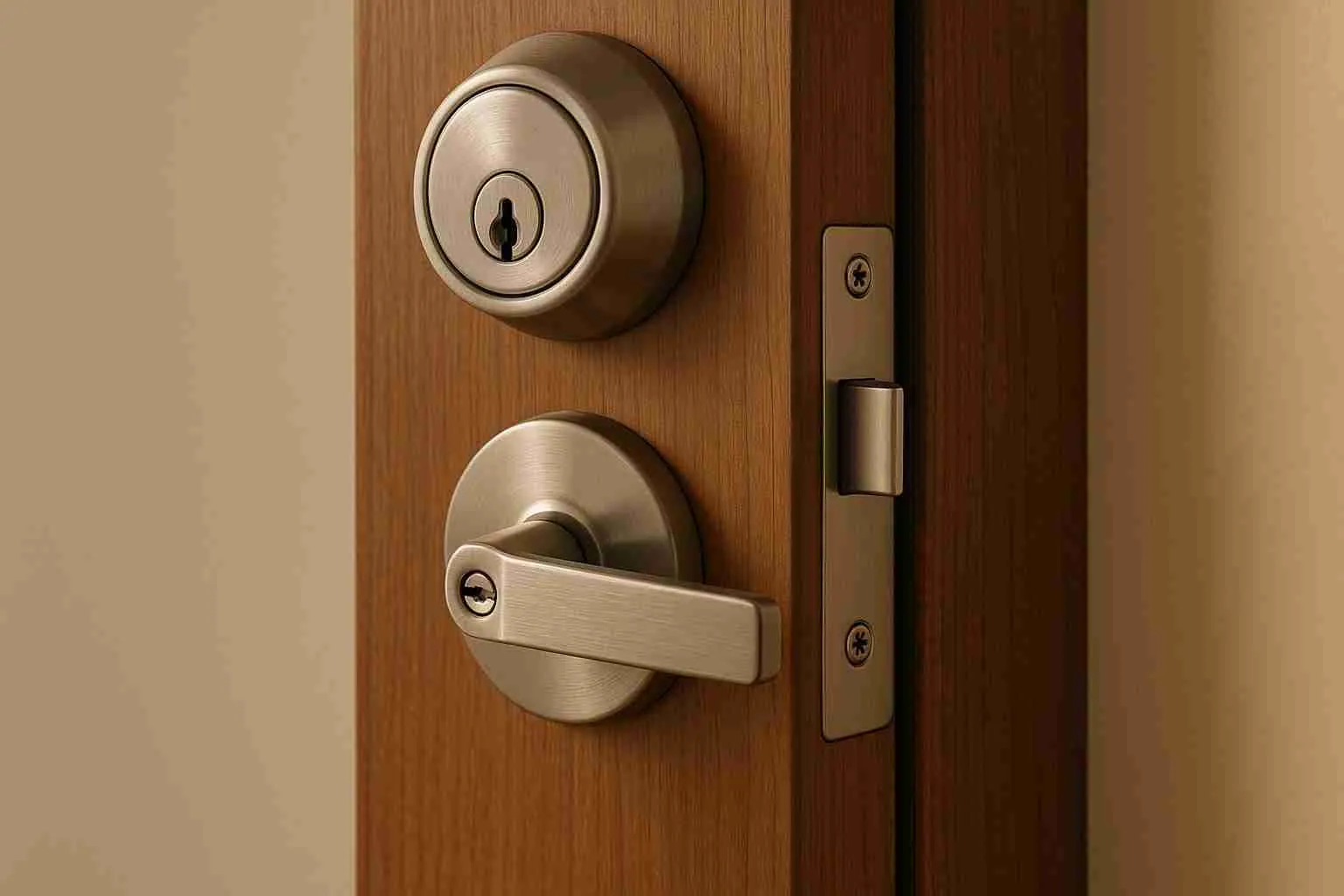
Be specific about the issue. Let them know which door is affected and if there are any complications, like a broken key or a damaged lock. If possible, describe the type of lock involved, whether it’s a standard deadbolt, knob lock, or smart lock, so they can bring the right tools and prepare for the job.
You’ll also need to prove you live at the location. Inform the locksmith that you’ll have identification and proof of residence ready. This could include a driver’s license, passport, or state ID, along with a utility bill, lease, or mortgage statement that matches your name to the property address.
After sharing these details, make sure to discuss pricing upfront to avoid surprises.
Ask for Pricing Before They Arrive
Getting a clear estimate before the locksmith sets out can protect you from unexpected charges and scams.
Request a detailed estimate that includes all possible fees, such as the service call fee, labor costs, parts, and any additional charges like emergency fees, after-hours rates, or mileage. Service call fees typically start around $60, and total costs generally range between $150 and $250. Ensure you get a written estimate before any work begins.
Also, inquire about their accepted payment methods. Reputable locksmiths usually accept credit cards, while scammers often demand cash-only payments.
During your phone conversation, take detailed notes. Write down the representative’s name, the time of the call, and any key details discussed.
Keep in mind that the final cost might change if the job turns out to be more complex than initially described. A trustworthy locksmith will explain any price adjustments and get your approval before proceeding with additional work. Having clarity about costs is just one step toward resolving the issue safely, complementing the other safety tips mentioned earlier.
How to Stay Safe While Waiting
When you're locked out and waiting for a locksmith, your personal safety should be a top priority. The waiting period can feel unsettling, especially if it’s late at night, but taking a few practical steps can help you stay safe and comfortable.
Wait in a Safe, Well-Lit Area
Choose a spot that’s well-lit and visible. If your entryway is dark or feels isolated, move to a brighter, busier location. Areas with good lighting naturally discourage unwanted attention and allow you to keep an eye on your surroundings. For example, standing near a streetlight, a neighbor’s porch (with their permission), or even a nearby parking lot can be safer alternatives.
Certain factors like low crime rates, visible police presence, and active street life make some areas safer for waiting, especially at night. If your neighborhood feels unsafe, consider relocating to a busier area, such as a main street with open shops, restaurants, or gas stations. These places not only provide light but also the comfort of having others around who could act as witnesses if needed.
Avoid dark, isolated shortcuts, even if they seem quicker. Stick to well-lit and active routes, even if it means taking a longer path. Some cities also have designated "Safe Havens" or "Help Points", where you can wait, charge your phone, or contact emergency services. If you know of one nearby, it’s worth heading there.
If your car is parked nearby, it’s often the safest place to wait. Sitting inside your vehicle keeps you warm, dry, and shielded from the elements while you wait for the locksmith.
Contact a Friend or Neighbor
Reach out to someone you trust, whether it’s a friend, family member, or neighbor. Let them know your situation. They may offer to come wait with you, invite you to their home, or simply stay on the phone to keep you company. If it’s cold or you feel uneasy outside, asking a neighbor to wait with you or offering their porch as a temporary spot can provide much-needed support.
Even if they can’t physically join you, having someone aware of your situation adds an extra layer of security. They’ll know to check in if they don’t hear from you, and having someone to talk to can make the wait feel less lonely.
If you’re with family members, ensure everyone is safe and accounted for while you wait.
Keep Your Phone Charged
Your phone is your lifeline in this situation. You’ll need it to stay in touch with the locksmith, call for help if necessary, and possibly use it for navigation or emergency contacts.
To save battery, close unnecessary apps and switch to low-power mode. If you’re in your car, use a charger to keep your phone powered. Alternatively, nearby gas stations or 24-hour stores often have outlets you can use.
Keep the locksmith’s number handy, either written down or saved in your recent calls, so you can contact them quickly if needed. If your phone battery is running critically low, focus on essential communication only. Make sure you’ve clearly discussed their arrival time and any necessary details to minimize the need for follow-up calls.
Preparing for the Locksmith's Arrival
Once you've confirmed the locksmith is on their way, there are a few steps you can take to make the process smoother and faster. Here's how to get ready:
Have Your ID and Proof of Residence on Hand
Make sure you have a government-issued photo ID and something that shows your address, like a utility bill, lease agreement, or bank statement. These can be physical copies or digital versions on your phone. This step helps confirm that you're the rightful resident of the property.
Clear the Entry Area
Ensure the area around your door is clear and well-lit. This makes it easier for the locksmith to work and saves time. Stay close by so you can assist or answer any questions if needed.
Get Your Payment Ready
Have your payment method prepared before the locksmith arrives. Double-check what forms of payment they accept and confirm the estimated cost, including any service fees, labor charges, or extra costs for after-hours service. Being ready to pay right away helps avoid unnecessary delays.
How to Prevent Future Lockouts
Once you've regained access, taking a few precautions can help ensure you don’t face another lockout. Here are some practical steps to keep in mind.
Set Up a Spare Key System
Getting a spare key can be a lifesaver in an emergency. Have your keys professionally duplicated and share copies with trusted individuals, like close family members, reliable friends, or even a neighbor you trust. That way, someone nearby can lend a hand if you're locked out.
Another option is to invest in a secure lockbox. Choose one with a combination or keyed lock and mount it in a discreet spot on your property. This allows you to access a spare key without depending on someone's availability. If you prefer hiding a key outdoors, skip the obvious spots like under a doormat or a flowerpot. Instead, opt for less noticeable places, such as a hollow fake rock or a magnetic holder tucked inside a metal drainpipe.
If you’re someone who switches between bags or wallets often, consider keeping a spare key in each. This way, you’ll always have one handy no matter which bag you’re carrying. And, of course, a simple habit like double-checking your keys before leaving the house can go a long way.
Check for Keys Before Leaving Home
While spare keys are great for emergencies, building everyday habits can help you avoid lockouts altogether.
Make it part of your routine to check for your keys before stepping out the door. Create a designated spot for them, like a hook by the door or a bowl on an entry table, so you always know where to find them. Over time, this becomes second nature, reducing the chance of forgetting.
Another smart tip is to lock your door from the outside using your key instead of locking it manually from the inside. This ensures the key is in your hand before the door closes.
Lastly, make sure everyone in your household has their own key and understands how to store and handle it responsibly. A little planning can save a lot of hassle later.
Conclusion
Getting locked out can be a frustrating experience, but staying calm and focused is key. Your safety should always come first, so avoid trying to force your way in, it could lead to unnecessary damage, injuries, or even legal trouble. Instead, consider reaching out to a trusted friend or neighbor who might have a spare key, or call a professional locksmith to help you regain access quickly and safely.
While you wait, make sure to stay in a well-lit, secure area, and keep important items like your phone (fully charged if possible) and ID within reach. Once you're back inside, take steps to prevent future lockouts. Create a backup key system and make it a habit to double-check for your keys before heading out. A little preparation can save you a lot of stress down the road.
FAQs
What can I do if I'm locked out of my house at night and can't find a 24/7 locksmith?
If you find yourself locked out and unable to locate a 24/7 locksmith, the first step is to check if you have access to a spare key. This might be one you’ve hidden outside, left with a trusted neighbor, or shared with a friend or family member. Renters can also try contacting their landlord or property manager, as they might have a copy of the key.
If these options aren’t available, stay in a safe, well-lit spot while deciding your next move. Avoid using forceful or destructive methods to gain entry, as this can damage your property and result in expensive repairs. To avoid similar situations in the future, you might want to invest in a secure lockbox for a spare key or entrust one to someone reliable.
How can I make sure the locksmith I hire is reliable and won’t overcharge me?
To make sure you're hiring a locksmith you can trust, start by checking what you can verify: a business name, a street address on Google Maps and proof of insurance, and take some time to review their reputation through online reviews or personal recommendations. It's also a good idea to ask for a clear price estimate upfront, including any possible extra charges, so there are no surprises later.
When the locksmith arrives, ask to see their ID and confirm that the business name matches what you were told during your initial call. A trustworthy locksmith will be professional and transparent, keeping you informed and comfortable every step of the way.
How can I avoid getting locked out of my house in the future?
To avoid the frustration of getting locked out, try these practical tips:
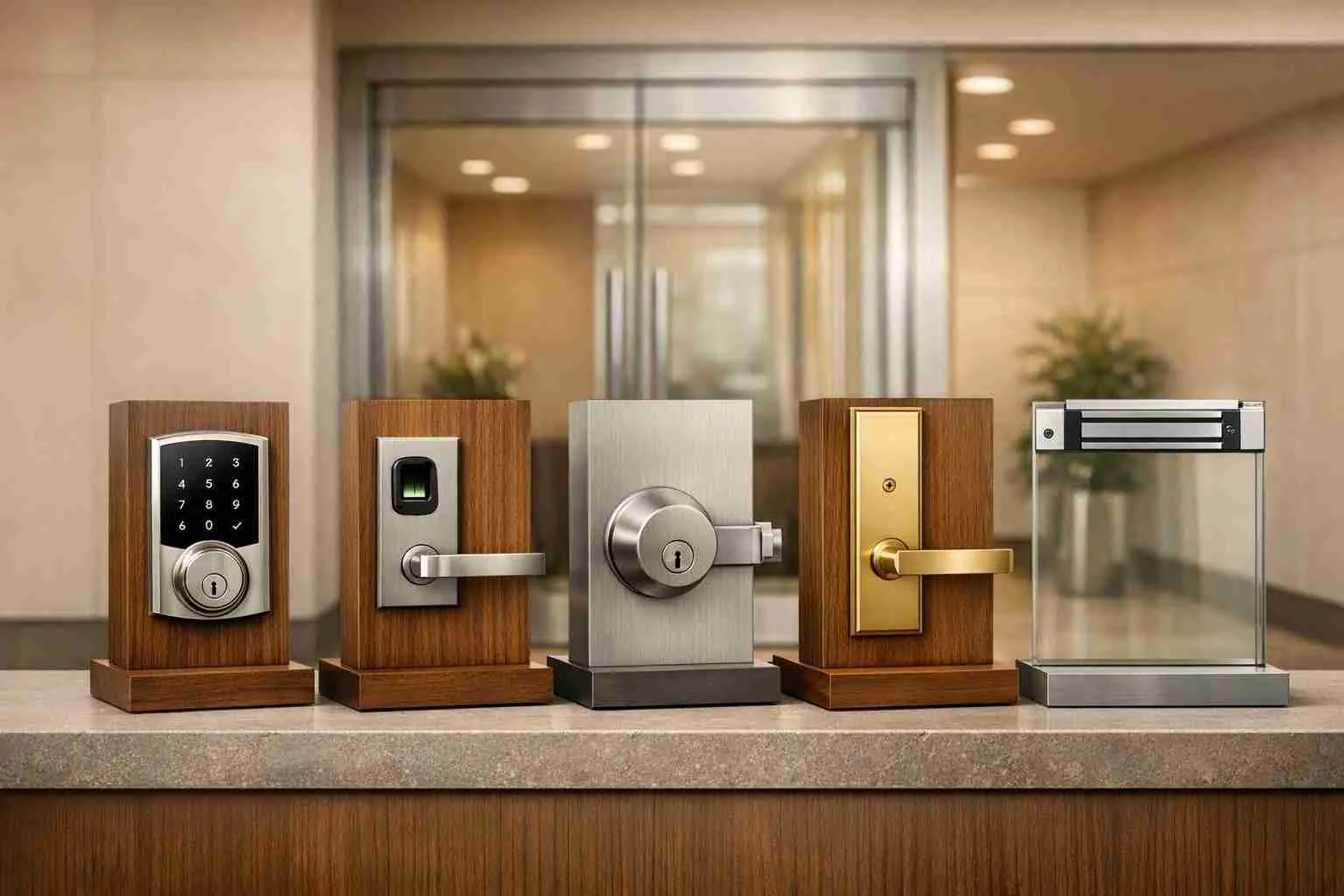
- Use smart locks that allow you to unlock your door with a code or through your smartphone, no key needed.
- Share a spare key with someone you trust, like a friend, family member, or reliable neighbor.
- Securely hide a backup key in a discreet spot outside your home. Just skip the obvious choices like under the doormat or a flowerpot.
- Opt for a keyless doorknob, eliminating the need for a traditional key altogether.
A little preparation now can save you a lot of stress down the road!