Locksmith Guides13 min read
How to Get Back in Your Car When Locked Out

By Roadrunner Lock and Key ·
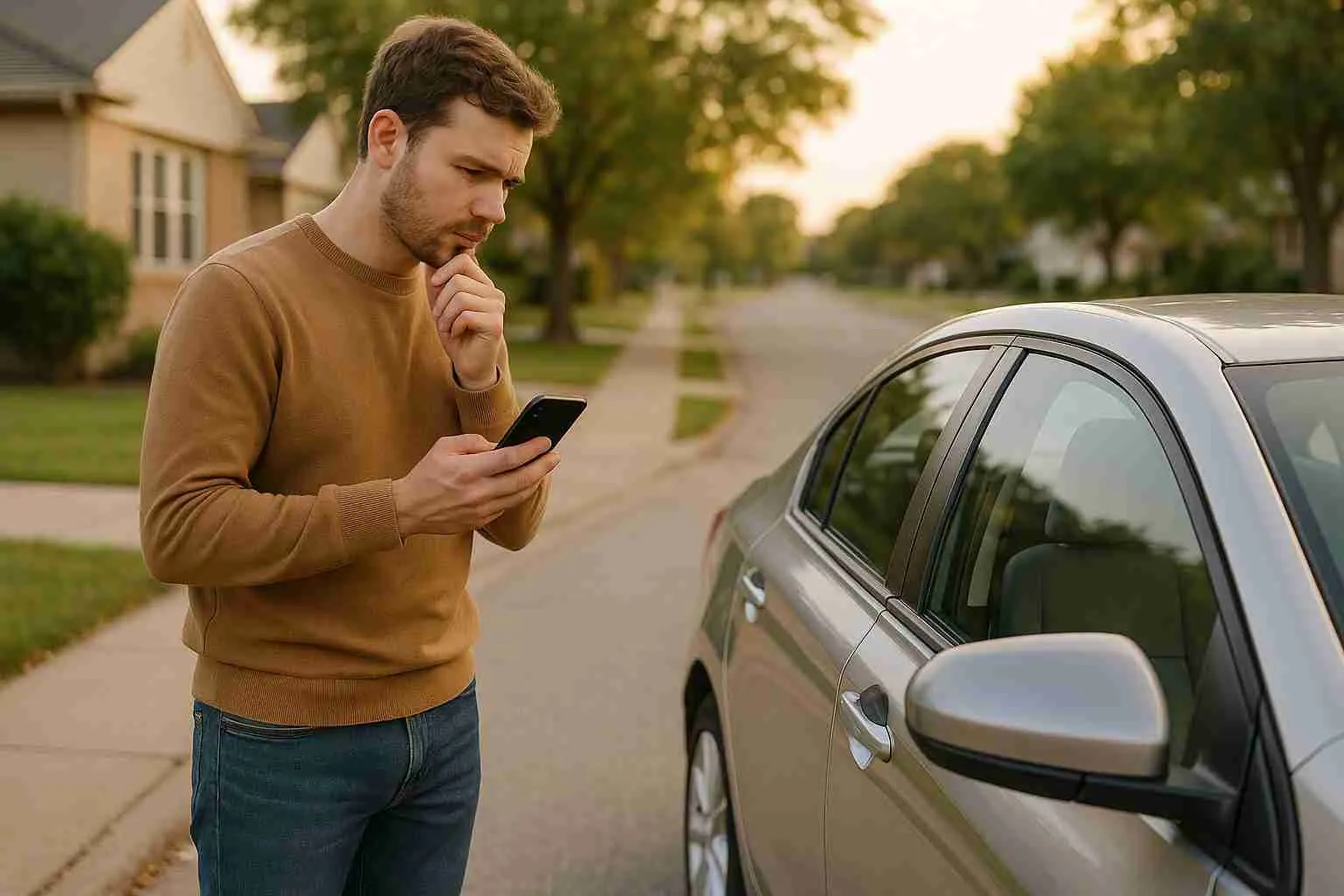
Getting locked out of your car can be frustrating, but there are practical ways to solve the problem quickly. Here are your key options:
- Check for Easy Solutions: Look for spare keys, test all doors and windows, or check for a hidden key holder under your car.
- Use Technology: If your car has remote unlocking via a smartphone app or services like OnStar, use them to regain access.
- DIY Methods: Tools like a wedge and rod, coat hanger, or an inflatable pump wedge can help, especially for older cars with manual locks.
- Hidden Key in Fob: Many key fobs have a hidden mechanical key for emergencies, check your fob for a release button.
- Call a Locksmith: If all else fails, contact a professional locksmith for fast, safe assistance.
To avoid future lockouts, keep spare keys accessible, use a consistent routine for managing your keys, and familiarize yourself with your car’s emergency features. Planning ahead can save time and stress.
How To Open a Locked Car Door Without a Key | Lockout Kit
Check Your Immediate Options
Before diving into tools or calling for professional help, take a moment to assess your immediate options. You might be surprised by how quickly you can resolve the situation.
Look for Spare Keys or Backup Access
Start by checking if you have a spare key nearby. It’s often the fastest way to get back into your car. Many people leave spare keys with family members, roommates, or trusted neighbors precisely for emergencies like this.
If you’ve ever used a magnetic key holder under your car, now’s the time to check. These small containers stick to the car’s metal frame and can hold an extra key. Common hiding spots include behind the rear bumper, inside the wheel well, or under the front fender. Just keep in mind that these locations are fairly predictable, so they’re not the safest for long-term use.
Next, take a walk around your car and double-check all the doors and the trunk. It might sound obvious, but you’d be surprised how often a single door isn’t fully locked, or a window is left cracked open enough to offer a solution. This simple step has saved countless people from unnecessary hassle.
Try Remote Unlocking Features
If a spare key isn’t an option, technology could come to the rescue. Many modern vehicles are equipped with remote unlocking capabilities, often accessible through your smartphone. Check if your car’s manufacturer offers an app that lets you unlock your doors remotely. If you’ve already set up the app, a few taps on your phone might be all it takes to regain access.
For vehicles equipped with services like OnStar, you may be able to call their customer service line for help. After verifying your identity and vehicle ownership, they can remotely unlock your car, usually within minutes.
If you have a key fob with remote start, don’t give up on it just yet, even if you think the battery is drained. Sometimes, the fob has just enough juice for one or two more uses. Hold it close to the door handle or lock, this can sometimes boost the signal enough to work.
Identify Your Lock Type: Manual or Power
Understanding your car’s locking system can help narrow down your options. Identifying whether your vehicle uses manual locks, power locks, or a keyless system will save you from wasting time on methods that won’t work.
Manual locks, often found in older cars, typically have a knob or button that you can manipulate with basic tools like a coat hanger or shoelace. Power locks are electronic and usually require pressing the unlock button inside the car, either with a rod tool or through electronic methods like apps or key fobs.
If your vehicle has a visible keyhole, it likely uses a manual or power lock system. On the other hand, smooth door handles often indicate a keyless system, which might have a hidden backup key. Knowing which system your car uses will guide you to the most effective solution.
DIY Methods for Unlocking Your Car
If you're up for the challenge and have some basic tools on hand, there are a few ways you can try to unlock your car yourself. Just remember to proceed carefully, these methods are best saved for situations where professional help isn't immediately available.
Use a Wedge and Rod Set
The wedge and rod technique is a go-to option for DIY car entry. For this, you'll need a plastic or rubber wedge and a long, thin rod, like a straightened wire hanger or a slim jim tool.
Start by sliding the wedge into the gap where the top of the door meets the car frame, near the corner closest to the roof. Gently wiggle the wedge back and forth to create a small opening, being careful not to bend the door frame or scratch the paint. Once you’ve made a gap about half an inch wide, insert the rod. If your car has power locks, aim to press the unlock button on the door panel. For manual locks, use the rod to hook and lift the lock knob. Move slowly and stop immediately if you feel resistance, forcing it could cause damage.
Use a Wire Coat Hanger (For Older Cars)
This classic method is a favorite for older cars with manual locks. To try it, grab a wire coat hanger and straighten it out, leaving a small hook at one end, about an inch long. Gently pull back the weatherstripping along the window to make room for the hanger, then slide it into the gap.
Once inside, use the hook to find the lock mechanism or cable. Depending on your car's design, you might need to pull the cable toward the rear of the car or lift it upward to unlock the door. Patience is key here, rushing or using too much force could scratch your car or damage the mechanism. If your car has side airbags built into the door, proceed with extra care to avoid triggering them. This method works best on vehicles from the 1990s or earlier, as newer models often have more advanced locking systems.
Use an Inflatable Pump Wedge
An inflatable pump wedge, also known as an air wedge, is another effective tool for creating a gap between your car door and its frame. You can find these at most auto parts stores, or even repurpose a blood pressure cuff in a pinch.
To use it, slide the deflated wedge into the gap near the top corner of the door, close to the window. Make sure the area is clean to avoid scratching the paint or damaging the rubber seals. Slowly inflate the wedge to gently push the door away from the frame. This gradual process makes it easier to control the gap and reduces the risk of bending the door frame or tearing the seals.
Once you’ve created a gap about an inch wide, check to see if it’s large enough to reach the unlock mechanism. If you’re reaching in with your arm, be mindful to pull it back out before opening the door to avoid injury. Take your time, and if you hit a snag, don’t hesitate to call a locksmith for assistance.
Use Technology and Built-In Features
If you're stuck and DIY solutions aren't cutting it, modern vehicles often come equipped with built-in technologies that can help you regain access. Features like Ford's driver door keypad or smart key fobs with hidden mechanical keys are designed for situations just like this.
Unlock with Manufacturer Apps
Many car manufacturers now offer smartphone apps that let you unlock your car remotely. If you've already set up your vehicle's app, simply open it, find the unlock function, and follow the prompts. Once your identity is verified, the app sends a signal to unlock your car, usually within seconds.
This approach works as long as your phone has cellular service and your vehicle is within the app's network range. To avoid hiccups, double-check your app's settings ahead of time to ensure remote access is enabled and your account details are up to date.
Use Keyless Entry Codes
If you drive a Ford, the SecuriCode® keypad on the driver's door can save the day. Enter the factory-set five-digit code (found on the owner's wallet card) to unlock the car.
Want to set up a personal code? Here's how:
- Enter the factory-set code, then press 1•2 within five seconds.
- Input your personal five-digit code, entering each number quickly.
- Press 1•2 again to save it. The doors will lock and unlock to confirm the change.
You can even program additional codes by following the same steps. Some Ford models with SYNC 3 or SYNC with MyFord Touch® will provide on-screen prompts to guide you.
When you're locked out, entering your factory or personal code will unlock the driver's door. To unlock all doors, press 3•4 within five seconds after entering your code. Need to pop the trunk? Enter your code and press 5•6. If the keypad isn't responding, try entering the code at a steady pace. For added security, avoid using repetitive or sequential numbers.
These options let you access your car quickly while keeping it secure and intact.
Access the Hidden Key in Smart Key Fobs
Most smart key fobs come with a hidden mechanical key for emergencies. Look for a small release button or switch on the side or back of the fob. Press or slide it, and the physical key will pop out or slide free.
You can use this key to manually unlock the driver's door, even if the fob's battery is dead or the car's electrical system isn't working. Once you're back inside, reinsert the key into the fob. Keep in mind, this key is typically limited to unlocking the door, it won't start the engine in vehicles with push-button ignition.
Contact a Professional Locksmith
If DIY methods or built-in technologies don’t work, or if you’re not comfortable trying them, it’s time to call a professional locksmith. A skilled technician can help you regain access to your car quickly and safely, without causing any damage.
Call a 24/7 Locksmith Service
Lockouts can happen at the most inconvenient times. That’s why 24/7 emergency locksmith services are a lifesaver. Companies like Roadrunner Lock and Key have mobile technicians who come straight to your location, whether you’re stuck in your driveway, at a shopping center, or stranded on the roadside.
Mobile locksmiths provide fast, on-the-spot help. Before you make the call, move to a safe, well-lit area if possible, keep your phone charged, and stay near your vehicle so the technician can find you easily.
Once you're ready, having some key details prepared can make the process even smoother.
Provide Vehicle Details for Faster Service
When contacting the locksmith, share as much information as possible to speed things up. Start with your exact location, use clear landmarks or GPS coordinates to help the technician find you quickly.
You’ll also need to provide details about your car, including the make, model, and year. Describe the lockout situation clearly, for instance, whether your keys are locked inside, lost, or if there’s an issue with the key fob or door lock. The more specific you are, the better equipped the locksmith will be when they arrive.
This preparation ensures they bring the right tools and can solve the problem efficiently.
Support for Different Vehicle Types
Whether you drive an older car or one with a modern keyless system, professional locksmiths are equipped to handle it. They use advanced, non-damaging tools to safely unlock your vehicle, no matter the make or model.
Roadrunner Lock and Key offers services for a wide range of vehicles, including cars, trucks, and SUVs. They also provide key fob replacements and rekeying services if needed. To stay ahead of emergencies, it’s smart to save the contact information of a trusted locksmith in your phone, you’ll thank yourself later.
How to Prevent Future Lockouts
Quick fixes can help in the moment, but the key to avoiding future lockouts lies in building smart habits and having backup plans in place. Getting locked out once is frustrating enough, you don’t want to go through it again. With a few practical strategies, you can greatly reduce the chances of finding yourself locked out again.
Build a Routine for Managing Your Keys
One of the simplest ways to avoid lockouts is to make checking for your keys a habit. Before locking your car door, double-check that your keys are with you. Designate a consistent spot for them, like a pocket, bag, or key holder, and mentally run through a quick checklist (e.g., phone, wallet, keys) before stepping out.
If you’re someone who tends to get distracted, try placing your keys on top of something you’re unlikely to forget, like your phone or purse. This small adjustment can make a big difference in keeping your keys within reach.
Pairing this habit with accessible backup options adds an extra layer of protection.
Have Backup Key Options
Spare keys are a lifesaver when it comes to preventing lockout emergencies. They turn what could be a stressful situation into a minor inconvenience, saving you both time and money.
- Keep a spare key at home in a secure and memorable location. If you live with others, they can help retrieve it if you’re locked out nearby.
- Entrust a spare key to someone reliable, such as a trusted neighbor, family member, or close friend who lives nearby. Choose someone dependable who can assist you quickly when needed.
- Use a magnetic hide-a-key box for on-the-go emergencies. Just be mindful of where you place it. Avoid obvious spots like under the bumper or above the tire. Instead, choose a discreet location that’s easy for you to remember but unlikely for others to find.
Having spare keys on hand not only saves you from the hassle of being stranded but also helps you avoid the cost of replacements.
Familiarize Yourself with Your Car’s Emergency Features
Your vehicle might already have built-in features designed to help in lockout situations. Check your owner’s manual to learn about these options.
Many newer cars come equipped with telematics systems that allow you to unlock your vehicle remotely. While these systems often require a subscription, they can be invaluable in emergencies.
"Telematics can automatically summon first responders in the event of a crash, remotely unlock your car, locate your vehicle, provide a weather report, or provide turn-by-turn directions.", Kelley Blue Book
Taking the time to understand and utilize these features ensures you’re prepared for any future lockout scenarios. Combine these steps with good habits, and you’ll have peace of mind knowing you’re well-equipped to handle, or even avoid, lockouts altogether.
Conclusion
Getting locked out of your vehicle is undeniably frustrating, but you now have a range of reliable techniques to regain access. Start with the simplest options available. If those don’t work, there are DIY methods that can help, though they require patience and a gentle touch to avoid causing damage.
Let’s recap some of the key solutions: manufacturer apps and keyless entry codes often offer a quick way back into your vehicle. When those aren’t viable or DIY methods seem too risky, reaching out to a professional locksmith is your best bet. For those in Albuquerque, NM, Roadrunner Lock and Key offers 24/7 emergency locksmith services. They handle everything from lockouts to key fob replacements for all vehicle types.
While solving the immediate problem is important, planning ahead can save you a lot of trouble in the future. As mentioned earlier, simple habits like double-checking for your keys, leaving a spare with someone you trust, and familiarizing yourself with your car’s emergency features can make a huge difference. With a little preparation and the right know-how, you’ll be ready to tackle any lockout situation with confidence.
FAQs
What can I do if my car's remote unlocking app isn’t working or I don’t have one set up?
If your car's remote unlocking app isn’t working or you haven’t set one up, don’t panic, there are still ways to get back into your vehicle. Start by checking if you have a spare key nearby or if someone can bring it to you. If that’s not an option, your best move is to reach out to a professional locksmith or a roadside assistance service.
These professionals have the tools and expertise to unlock your car without causing any damage, getting you back on the road in no time. Just make sure to have your ID and proof of vehicle ownership handy, as these are often needed to confirm your access to the vehicle.
Are there risks to using DIY tools like a coat hanger or pump wedge to unlock my car?
Using DIY tools like a coat hanger or an inflatable pump wedge might seem like a quick fix, but they come with risks. These methods can scratch your car's paint, damage the weather stripping, or even mess up the locking mechanism, potentially leading to expensive repairs.
For a safer approach, reaching out to a professional locksmith is the way to go. They have the right tools and skills to unlock your car without causing any damage.
How can I use my car's technology to avoid getting locked out in the future?
If you're looking to prevent future car lockouts, take advantage of your vehicle's telematics or keyless entry system. Many modern cars let you link your smartphone to the vehicle, enabling you to unlock it remotely through a dedicated app. For detailed setup instructions, refer to your owner's manual or reach out to your dealership, they'll guide you through the process.
Another wise move? Keep a spare key in a secure spot, like at home or with someone you trust. Also, don't overlook the basics: replace your key fob battery regularly and have a professional locksmith inspect your locking system from time to time. These small steps can save you from big headaches down the road.