Locks can be frustrating when they stop working properly, but most issues are fixable with simple tools and basic know-how. Here are seven common lock problems and their solutions:
- Jammed or Sticking Locks: Dust, grime, or rust can cause locks to stick. Use compressed air to clean the keyhole, then apply graphite powder or silicone spray for lubrication. Avoid oil-based products like WD-40.
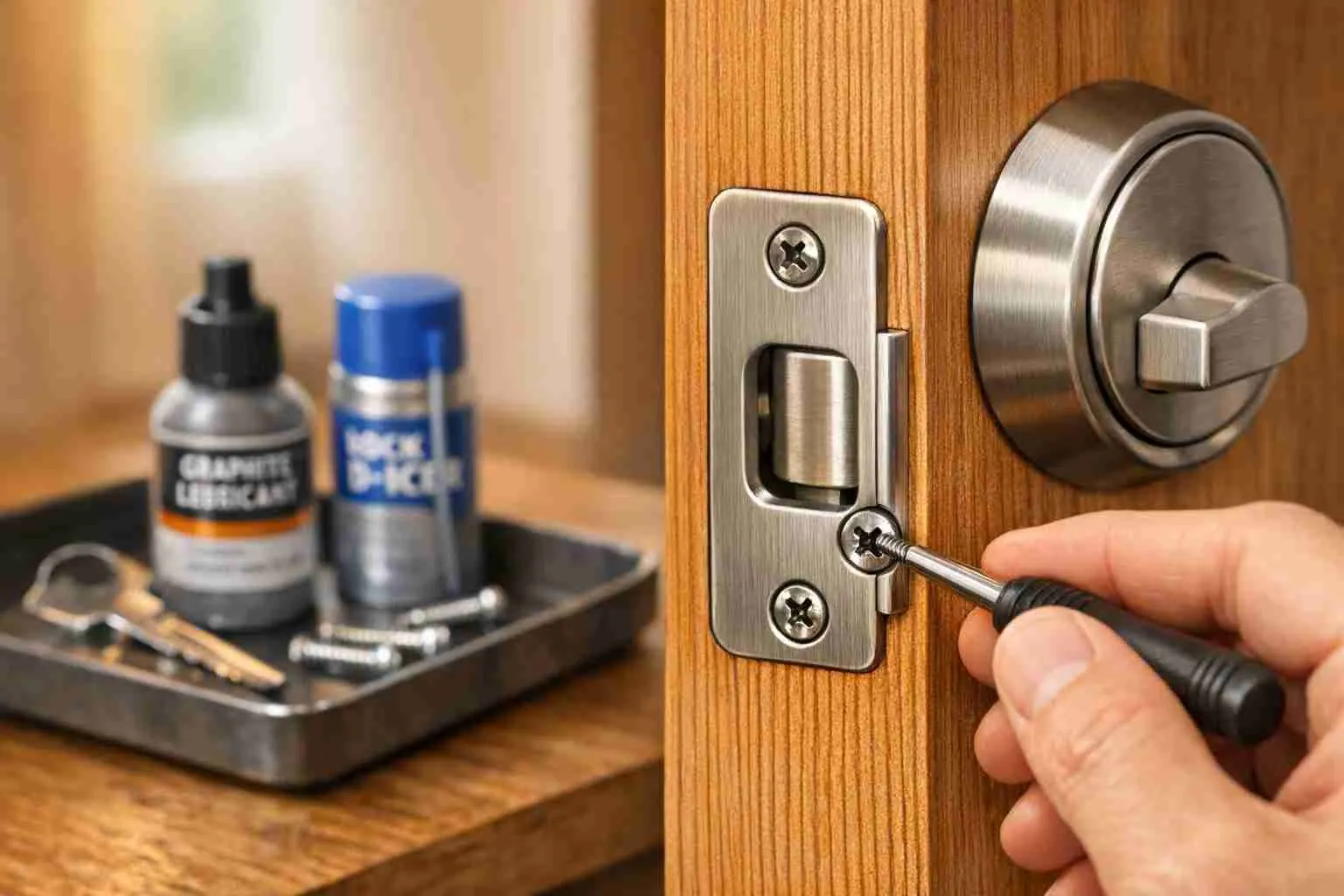
- Misaligned Strike Plates: Doors that don’t latch often have a misaligned strike plate. Tighten hinge screws or reposition the plate. For minor adjustments, file the strike hole slightly.
- Broken Keys Stuck in Locks: Use needle-nose pliers or a key extractor tool to remove the broken piece. Avoid using glue, as it can damage the lock further.
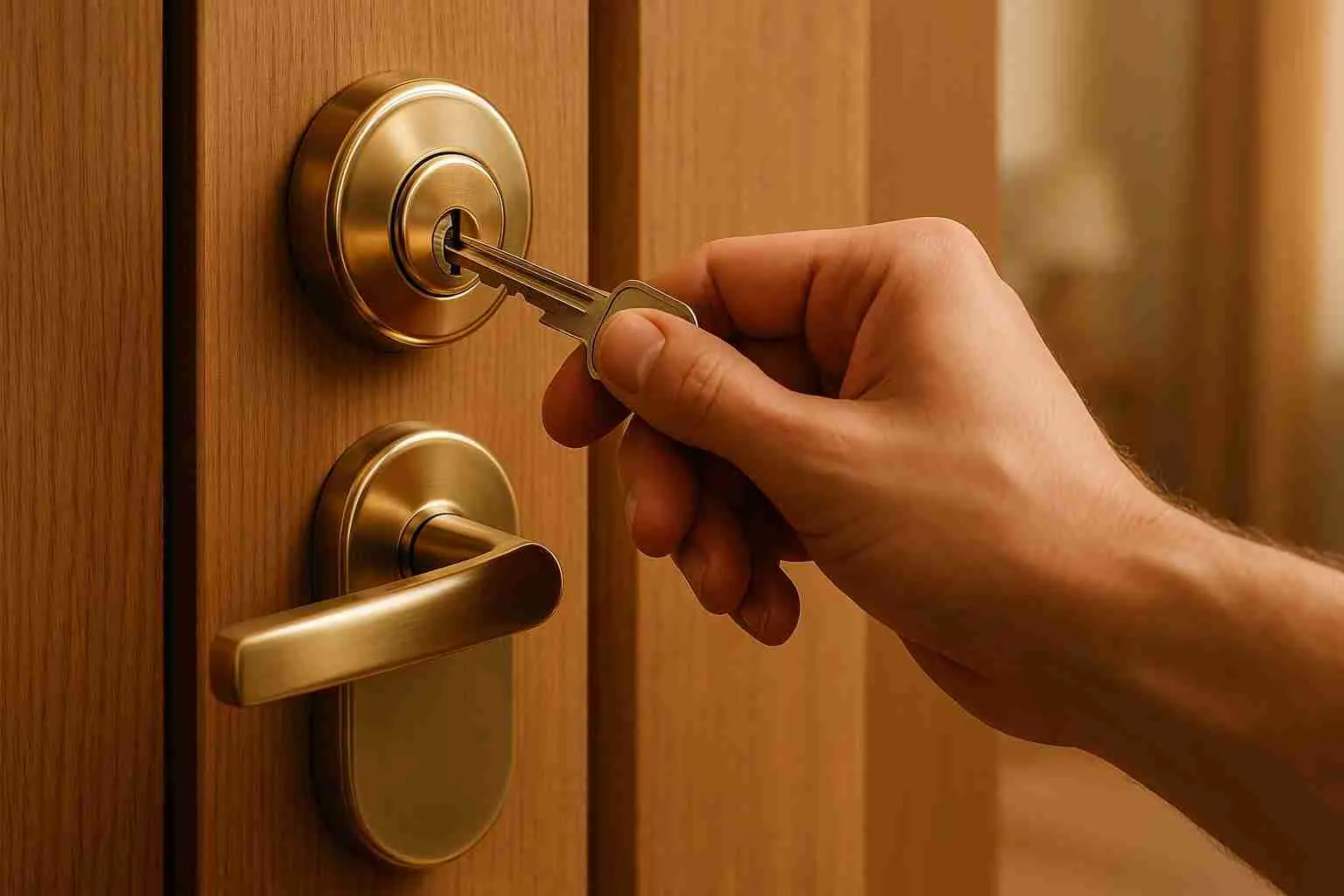
- Keys That Won’t Turn or Insert: Clean the keyhole and check for debris. Lubricate with a dry graphite spray. If the issue persists, inspect the key for wear or bending.
- Deadbolts That Don’t Work Properly: Test the lock with the door open to identify misalignment. Tighten hinge screws or enlarge the strike plate hole if needed.
- Loose Door Handles and Knobs: Tighten visible screws or check for hidden ones under the handle cover. Replace worn parts like internal springs if tightening doesn’t help.
- Frozen Locks in Winter: Thaw locks with a commercial de-icer, alcohol-based hand sanitizer, or a hairdryer. Prevent freezing by applying silicone lubricant in advance.
For complex issues like broken internal components or persistent problems, professional locksmiths like Roadrunner Lock and Key in Albuquerque, NM, are available 24/7. They can handle everything from key extractions to deadbolt installations. DIY fixes are great for minor issues, but don’t hesitate to call an expert when needed.
7 Common Lock Problems and Quick Fix Solutions
1. Jammed or Sticking Locks
A lock that feels stiff or grinds when you turn the key isn’t just frustrating, it’s a sign that something inside might not be working as it should. In Albuquerque's dry climate, fine dust can accumulate quickly, while moisture can speed up rust, leading to issues over time.
What Causes Locks to Jam
The main culprits behind jammed locks are dust, grime, and moisture. These elements can create buildup or rust, making it harder for the lock's tumblers to align properly. Without regular care, the internal components can wear out, eventually leading to failure.
"Just like any mechanical part, locks need regular cleaning to function spot-on. Dust, dirt, and tiny debris can build up inside the deadbolt, making it harder to turn over the years."
- MacArthur Locks & Doors
How to Fix a Sticking Lock Yourself
Start by clearing out any dust or debris from the keyhole using a can of compressed air. Once the keyhole is clean, apply a small amount of graphite-based powder or silicone spray lubricant. Avoid oil-based products like WD-40, as they tend to attract more dirt and can gum up the mechanism over time. Insert the lubricant nozzle into the keyhole, spray lightly, and then use your key to turn the lock several times to distribute the lubricant evenly.
If you don’t have a specialized lubricant on hand, a quick workaround is to rub a standard pencil (which contains graphite) along the ridges of your key. This can serve as a temporary fix until you can get proper supplies.
If these steps don’t resolve the issue, it’s time to consider professional help.
When to Call a Professional
If cleaning and lubricating the lock doesn’t solve the problem, the issue could be more complex, such as broken internal pins, worn-out tumblers, or a misaligned mechanism. In these cases, forcing the key can do more harm than good, excessive pressure might break the key inside the lock, turning a minor inconvenience into a costly repair.
For situations like these, professionals like Roadrunner Lock and Key are available 24/7 in Albuquerque. They can handle lock repairs and replacements efficiently, ensuring the problem is resolved without further damage.
2. Misaligned Strike Plates
When your door refuses to latch properly, the culprit is often a misaligned strike plate. This happens because wooden door frames expand and contract with seasonal temperature changes, throwing things out of alignment.
The two main troublemakers? Sagging hinges and loose screws. Sagging hinges, or even foundation settling, can cause the door to drop, making the latch strike below its intended spot. Loose screws on the strike plate can also allow it to shift, preventing the latch from catching.
How to Check for Strike Plate Misalignment
To pinpoint the issue, try the lipstick test. Apply lipstick, chalk, or a marker to the door latch. Close the door, then check the mark left on the strike plate or frame to see where the latch is hitting. For extra clarity, stick a piece of masking tape over the strike plate before closing the door.
Another method is the lift test. Lift the door handle while closing the door. If the latch catches only when lifted, sagging hinges are likely to blame. Also, inspect the gap between the door and frame, an uneven gap may mean the door is hanging crookedly.
Once you've identified the problem, you're ready to realign the strike plate.
How to Fix a Misaligned Strike Plate
Start by tightening all hinge screws. If a screw spins without catching, the hole might be stripped. To fix this, fill the hole with wood glue and toothpicks before reinserting the screw. For sagging doors, replace one of the short screws in the top hinge with a 3-inch wood screw. This longer screw will anchor into the wall stud, lifting the latch side of the door back into place.
If the misalignment is minor, less than 1/8 inch, remove the strike plate and file the hole to enlarge it. For larger gaps, remove the plate entirely, fill the old screw holes, chisel a new mortise, drill pilot holes, and secure the plate in its new position.
| Symptom | Likely Cause | Primary Fix |
|---|---|---|
| Latch hits below the strike hole | Sagging hinges/Gravity | Tighten hinges; install a 3-inch screw in the top hinge |
| Latch hits above the strike hole | Misaligned plate or frame shift | Reposition the strike plate or install a 3-inch screw in the bottom hinge |
| Strike plate is loose or wobbles | Stripped screw holes | Fill holes with toothpicks and glue; use longer screws |
| Latch is off by < 1/8 inch | Minor settling or wear | Enlarge the hole with a metal file |
3. Broken Keys Stuck in Locks
After addressing lock cleaning and alignment, dealing with broken keys becomes essential for keeping access secure and hassle-free.
A snapped key is a frustrating issue. Over time, soft metals like brass or nickel can weaken, making them prone to breakage, even under light pressure. Forcing a key to turn in a sticky or resistant lock adds extra stress, which can also lead to snapping. Environmental wear and tear further contribute to weakening keys. Considering the median age of owner-occupied homes in the U.S. is over 40 years, many locks have endured decades of use, increasing the likelihood of key fatigue.
Keys with rounded or worn teeth, as well as poorly made duplicates, can snag on internal lock components, requiring extra force that risks breakage. Additionally, misaligned locks caused by sagging doors or loose strike plates can make turning the key unnecessarily difficult, increasing the chances of it snapping.
How to Remove a Broken Key
Before removing a broken key, ensure the lock cylinder is upright. If it’s rotated, the internal pins may trap the key fragment. Use a dry lubricant, like graphite powder or Teflon spray, to help loosen the key.
If part of the key is sticking out, grab the visible piece with needle-nose pliers or tweezers and pull it straight out without twisting. For keys broken off flush with the lock, use a key extractor tool. These tools come in hook, spiral, or sawtooth designs, which grip the key’s teeth to pull it out. DIY extraction kits are affordable, typically costing between $5 and $15.
Avoid using super glue to reattach the key while it’s still inside the lock. Glue can seep into the cylinder and ruin the mechanism. As ACME Locksmith advises:
"If you ignored my advice and glued the key in, throw the lock away and buy another one.", ACME Locksmith
If the fragment remains stuck, gently tap the lock cylinder with a screwdriver handle to create vibrations that might loosen it. Should these methods fail, it’s time to call a locksmith. Professional extraction costs range from $50 to $150, though emergency services can cost up to $500. Attempting multiple DIY fixes can push the fragment deeper, so professional help is best if the key remains stubbornly lodged.
Once the key is removed, take steps to prevent similar issues in the future.
How to Prevent Keys from Breaking
Inspect your keys regularly, looking for cracks, bends, or stress marks. Replace them at the first sign of wear, and make duplicates while the original is still in good condition. As KeyMe Locksmiths points out:
"Most sticking locks don't fail overnight, they give warning signs first.", KeyMe Locksmiths
When duplicating keys, avoid copying worn ones, as this can replicate the wear pattern and worsen the problem. "Copying a worn key can duplicate the wear pattern, which sometimes makes the issue worse", explains KeyMe Locksmiths. To keep locks functioning smoothly, lubricate them every few months with dry graphite powder or PTFE spray. Avoid oil-based lubricants, as they attract dust and debris.
Always insert keys fully and turn them straight without applying sideways pressure or wiggling aggressively. Tighten loose hinges and adjust strike plates to ensure proper door alignment, reducing the effort needed to operate the lock.
4. Keys That Won't Turn or Insert
When your key refuses to insert or turn, it’s usually due to a few common culprits: debris inside the lock, worn-out internal components, or even a misaligned door. Over time, keys can wear down, rounded edges or a dulled tip might fail to engage the lock’s tumblers. Dust, lint, or grit can also accumulate, causing the internal pins to stick. On top of that, using an incorrect or poorly duplicated key may lead to improper engagement with the tumblers. Door misalignment, often caused by humidity or a shifting structure, can also create extra pressure on the lock mechanism. And don’t forget winter woes, frozen moisture inside the lock can make the mechanism seize up. Addressing these issues promptly ensures your lock stays functional and secure.
How to Fix Key Insertion Problems
Start by making sure you’re using the correct key and inspect it for signs of bending or wear. Check the keyway for any debris, and if you spot any, clear it out using compressed air. Once the area is clean, apply a lubricant, but stick to graphite-based or silicone spray options. Avoid oil-based products like standard WD-40, as these tend to attract dirt over time. As Mike’s Locksmith recommends:
"A spray right into the cylinder (keyhole) with locksmith-approved lubricant can often clear up the issue."
If the key still struggles, try gently wiggling it while applying light pressure. If the lock works only when the door is open, the problem may be door misalignment rather than the lock itself. For frozen locks, use a hair dryer on a low-heat setting to thaw any ice. Avoid using hot water, it can refreeze and potentially make things worse.
How to Test with a Spare Key
Once you’ve dealt with debris and lubrication, test your key to figure out whether the issue lies with the key or the lock. Use a spare key that’s been used less frequently. If the spare key works smoothly, it’s likely your primary key is worn out and needs replacing. Mike’s Locksmith offers this advice:
"If a spare key works better, that's your sign to have a locksmith cut a new one from the original key code."
If the spare key doesn’t work either, it’s a sign that the lock cylinder may be damaged or worn. In this case, you’ll need professional help. Locksmith services typically cost around $163, with a range of $50 to $175 depending on the job.
5. Deadbolts That Don't Work Properly
Deadbolt issues can be just as problematic as key troubles when it comes to home security. If your deadbolt won’t extend or retract smoothly, the cause is often misalignment. This can result from house settling, seasonal swelling of wooden doors, or even a sagging door. Loose hinge screws are another common culprit, as they can shift the door out of position, making it impossible for the deadbolt to engage. Internal problems, like dirt, dust, or metal debris inside the lock cylinder, can also lead to sticking. For older locks, those over a decade old, worn-out components such as pin tumblers, springs, or the tailpiece might be the root of the issue.
Environmental factors, like temperature and humidity, can also play a role. For instance, wood frames may swell, or metal parts might contract, while frozen moisture can completely seize the mechanism. Loose mounting hardware can cause the lock cylinders to wobble, preventing the bolt from extending properly. As Security City puts it:
"A malfunctioning lock is more than just an inconvenience; it's a direct compromise of your home's security, leaving you, your family, and your property vulnerable."
How to Check Your Deadbolt
To determine the problem, start by testing the deadbolt with the door wide open. Turn the key or thumbturn and observe the bolt's movement. If it operates smoothly when the door is open but struggles when it's closed, the issue is likely alignment-related, not mechanical. Liam Cope, Founder of Engineer Fix, explains:
"If the lock remains difficult to turn even when the door is open and the bolt is free of the frame, the problem resides within the internal components of the lock itself."
For alignment issues, try the "lipstick test" to pinpoint the problem. Apply lipstick, chalk, or a dry-erase marker to the tip of the deadbolt, close the door, and attempt to lock it. The mark left on the strike plate will show where the bolt is hitting. Visible scratches on the strike plate or frame can also indicate misalignment. If you find yourself needing to lift or push the door to engage the lock, loose or worn hinges are likely to blame.
Once you've identified the alignment problem, you can take steps to fix it.
How to Repair a Deadbolt
Start by tightening all hinge screws. Replace short screws with longer ones (2-1/4 inch or 3-inch) to pull the door back into proper alignment. These longer screws anchor into the wall framing behind the door jamb, helping to correct sagging. A pack of 2-1/4 inch security hinge screws typically costs around $15.
For minor misalignment, use a metal hand file or a burr file bit (about $13) to slightly enlarge the strike plate opening where the bolt makes contact. File gradually, testing frequently, until the bolt slides smoothly. Clean the lock mechanism with compressed air to remove dust and debris, then lubricate it with a graphite or silicone spray, avoid oil-based products, as they can attract dirt.
| Troubleshooting Step | Action | Tool Needed |
|---|---|---|
| Stabilize cylinders | Tighten set screws | Screwdriver |
| Verify key function | Test with spare key | Spare Key |
| Remove debris | Blow out dust | Canned air |
| Check bolt clearance | Ensure adequate hole depth | Drill or Chisel |
When to Upgrade Your Deadbolt
If cleaning and lubrication don’t resolve the issue, it’s likely that worn internal components need replacing. Signs of tampering, such as a bent bolt or cracked housing, mean it’s time for a new deadbolt. Deadbolts that have been in use for over 10 years should also be replaced proactively to ensure optimal security. If the thumb turn spins loosely or the key turns without moving the bolt, the internal tailpiece is likely broken, requiring a full replacement.
Hiring a locksmith typically costs $50 to $100 for a service call, with repair or replacement labor ranging from $100 to $200. When upgrading, use 3-inch screws for the strike plate to anchor it securely into the wall framing. This simple step greatly enhances resistance to forced entry and boosts your home’s overall security.
6. Loose Door Handles and Knobs
A wobbly door handle isn't just an annoyance, it can actually compromise your home’s security. When handles loosen, they might prevent the door from latching properly, making it easier for someone to push their way inside. This issue often starts with loose set screws that attach the handle to the spindle. Seasonal changes can also play a role, as wood doors expand and contract with temperature shifts, gradually loosening screws. Keeping all components secure is a key step in protecting your home.
Over time, regular use wears down springs, spindles, and latch mechanisms. Metal parts like brass or zinc alloy can develop tiny cracks from oxidation, which weakens their structure. Abdalla Khairy from Faster Locksmith points out:
"A loose handle can also pose a concerning security breach if you can not close your front door due to the issue worsening."
Additionally, a loose handle might prevent the door from latching properly, cause accidental key turns, or even strain the motor in smart locks. Industry reports reveal that 66% of late-night locksmith calls could be avoided with routine handle maintenance. Even a slight misalignment, just half an inch, can cause noticeable wobbling.
Let’s dive into how you can tighten or repair loose handles to keep your locks functioning smoothly.
How to Tighten Loose Handles
The first step is identifying your handle type. Some handles have visible screws on the faceplate, while others hide them under a decorative cover. For hidden screws, look for a detent access hole, a small round opening on the handle’s neck. Insert a paperclip or awl into this hole to reveal the screws underneath.
Once you’ve exposed the screws, use a Phillips screwdriver or Allen wrench to tighten them. Over time, vibrations and repeated use can cause these screws to loosen. Don’t forget to check the small set screw on the side of the handle shaft, which secures the handle to the spindle. Bob Formisano, an architect and builder, warns:
"Be careful not to over-tighten the mounting plate. It is possible to tighten so far that the inner mechanism binds up, causing your lockset to not work at all."
If your door seems misaligned, the issue might not be the handle but the door itself. Tighten the hinge screws to lift the door back into position. Combining hinge maintenance with handle repairs can improve overall door security.
How to Replace Worn Handle Parts
If tightening the screws doesn’t fix the problem, it might be time to replace worn parts. A handle that still wobbles after tightening could indicate stripped screw holes or damaged internal components. For instance, if the handle droops or doesn’t return to its horizontal position, the internal spring is likely broken and may require replacing the entire handle set. Similarly, if the handle spins without engaging the latch, a worn spindle is often the culprit.
To prevent screws from loosening again, apply a thread-locking adhesive before reinserting them. Basic repairs typically cost between $50 and $100 for materials, while professional locksmith services can add labor fees on top of that.
| Component | Common Issue | Recommended Fix |
|---|---|---|
| Set Screw | Handle slips or pulls off spindle | Tighten with Allen wrench; replace if stripped |
| Mounting Screws | Faceplate rattles or wobbles | Tighten with Phillips screwdriver; use thread-locker |
| Internal Spring | Handle sags or doesn’t spring back | Replace handle set or internal spring cassette |
| Spindle | Handle spins without engaging latch | Replace spindle or entire lockset |
To stay ahead of potential problems, inspect handles on frequently used doors at least twice a year. When lubricating, stick to dry graphite or silicone-based sprays, as oil-based products can attract dust and cause buildup.
7. Frozen Locks in Winter
Winter can turn your locks into frustrating obstacles when freezing temperatures cause them to seize up. Moisture from sources like rain, melting snow, or indoor humidity can creep into the keyhole and internal parts of a lock. When temperatures drop, that moisture freezes, jamming the pins, springs, and tumblers. This makes it nearly impossible to insert or turn your key. The problem gets worse with freeze-thaw cycles, as ice melts during the day and refreezes at night, trapping even more water inside. Metal locks, particularly those on uninsulated doors, tend to freeze faster than those on wooden doors. Adding to the issue, natural oils from your hands mixed with dust can create a grime buildup that solidifies in cold weather. Unsurprisingly, lockout calls tend to surge by 30 to 40% during the season's first significant freeze.
How to Thaw a Frozen Lock
When faced with a frozen lock, commercial lock de-icer spray is your best bet. These sprays, often alcohol-based, can thaw a lock in as little as 15 seconds, even in temperatures as low as -20°F. Professional-grade de-icers like Houdini are reported to work 42% faster compared to standard options.
If you don’t have de-icer handy, alcohol-based hand sanitizer (with 60 to 70% alcohol) can be a lifesaver for lightly frozen locks. Simply coat your key with a generous amount, insert it into the lock, and wait 30 to 60 seconds before trying to turn it. This method boasts a success rate of over 90%.
Other methods include warming your key with a lighter or match (just until it’s warm, not hot) before inserting it into the lock. This approach works about 60% of the time for minor freezes. If you have access to electricity, a hairdryer set to medium heat can be used to warm the lock from 6 to 8 inches away for 2 to 3 minutes, effectively melting the ice.
| Method | Speed | Success Rate | Best For |
|---|---|---|---|
| Commercial De-icer | 10 to 20 seconds | Very High | All locks; best overall |
| Hand Sanitizer | 30 to 60 seconds | 90%+ | Quick DIY; car/home locks |
| Hairdryer | 1 to 3 minutes | 100% (if powered) | Home doors near outlets |
| Heated Key Method | 2 to 5 minutes | ~60% | Mild freezes; no tools available |
Avoid pouring hot water on a frozen lock, it can damage the metal due to thermal shock, and the water will likely refreeze quickly, making the problem worse. Similarly, forcing a key can bend or break it inside the lock, creating an even bigger headache. After thawing, clean out any moisture and apply a silicone or graphite-based lubricant to protect the lock's internal components. Once resolved, taking steps to prevent freezing will save you from future hassles.
How to Prevent Locks from Freezing
Preventing frozen locks starts with preparation. Applying a silicone- or graphite-based lubricant in early fall creates a protective barrier that keeps moisture out and won't freeze or gum up.
"A frozen lock is one of winter's many annoyances, but it doesn't have to ruin your day. Understanding why it happens, how to fix it safely, and how to prevent it in the future can save you time, frustration, and even money.", Brothers Locksmith
Physical barriers are another effective solution. Weatherproof lock covers or rubber shields block rain and snow from entering the keyhole. Installing a storm door adds insulation and protects the lock from direct exposure to harsh weather. After wet weather, wiping down the lock’s exterior can prevent moisture from seeping into crevices before freezing temperatures hit. Combining these methods, lubrication and physical covers, can reduce frozen lock incidents by up to 75%.
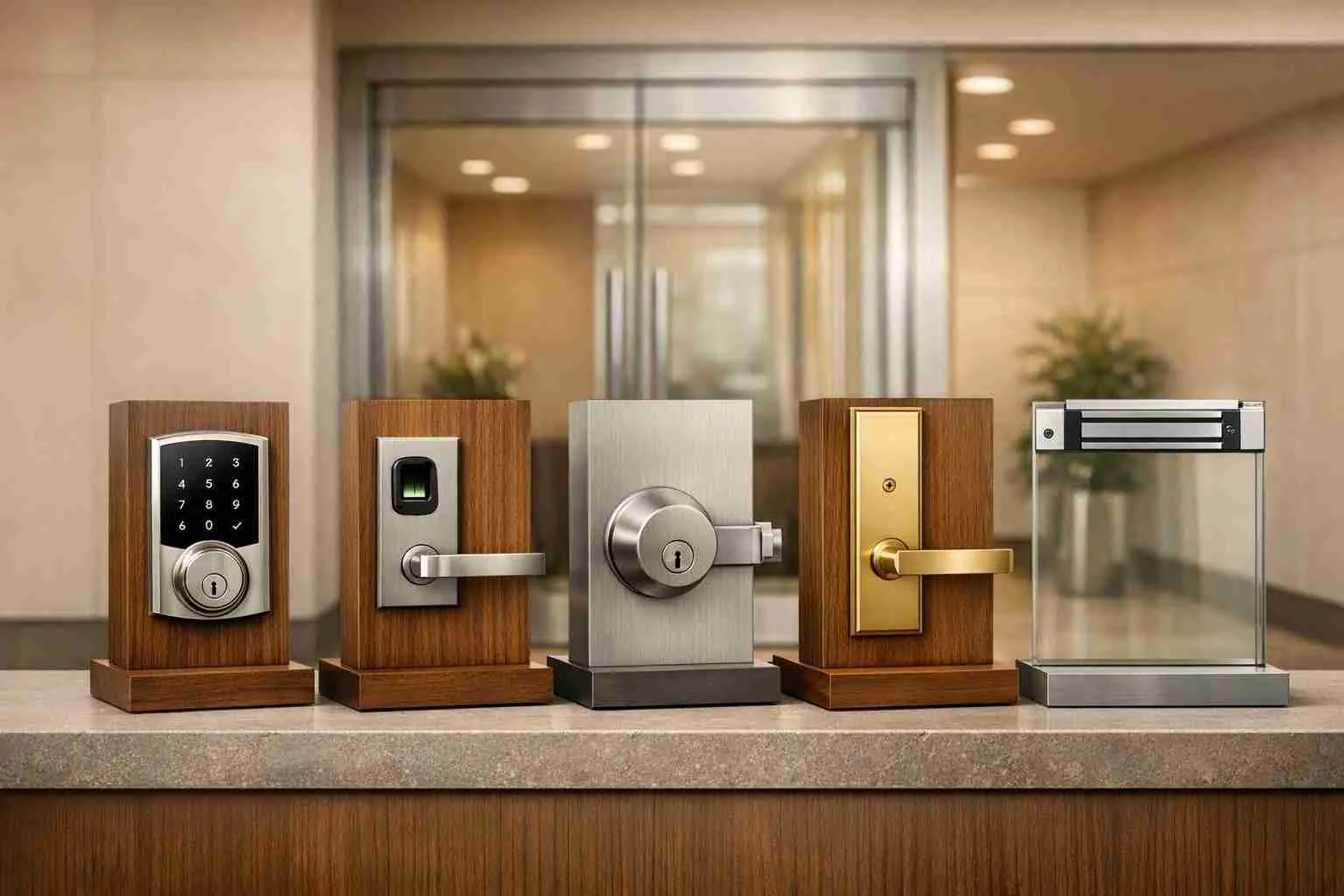
For a more permanent fix, consider upgrading to electronic smart locks or keyless entry systems. These eliminate the need for a physical keyhole, bypassing the freezing issue entirely. While extreme cold can reduce battery life in electronic locks, they avoid the mechanical problems that plague traditional locks in winter.
When to Call Roadrunner Lock and Key
Some lock issues are simply too complex for quick DIY fixes. For instance, if your key turns but the latch doesn’t engage, or if the lock cylinder spins freely without moving the bolt, these are signs of broken internal components that require expert disassembly. Similarly, visible damage like cracks, rust, or a separating lock body means it’s time for a replacement.
Trying to force a stuck key can make matters worse, potentially breaking it off inside the lock. This turns a minor inconvenience into a costly problem, with extraction fees ranging from $50 to $200. If a key is already broken and lodged deep in the lock, professionals use specialized extractor tools that aren’t suitable for DIY attempts. When basic cleaning or lubrication doesn’t solve the problem, it’s time to bring in a locksmith. While some lock issues can be handled at home, these specific scenarios call for professional help.
Roadrunner Lock and Key provides 24/7 emergency services throughout Albuquerque, NM, perfect for situations that just can’t wait. Whether it’s a holiday lockout, a late-night emergency, or signs of tampering that compromise your security, their technicians are equipped to help. Using non-invasive tools, they can regain access without damaging your door or frame. From broken key extractions to diagnosing electronic keypad malfunctions, their team handles it all. Keep in mind that after-hours service calls may add $100 to $250 to standard rates, but this ensures expert assistance that prevents further damage.
If you’ve already tried basic troubleshooting and the problem persists, it’s time to call the experts. Ignoring small issues, like a sticky lock, can lead to bigger problems, such as a complete lockout. Worn pins, degraded latches, or sheared springs are signs that professional intervention is needed. Additionally, rekeying your locks can save you 70 to 80% compared to a full lock replacement while maintaining the same level of security.
Getting Help From Roadrunner Lock and Key
Roadrunner Lock and Key handles everything from emergency lockouts to security upgrades. Call (505) 347-2895 and we quote the price on the phone before we come.
| Service Plan | Typical Services | Estimated Cost Range |
|---|---|---|
| Basic Locksmith | House/car lockouts, rekeying, broken key extraction, simple repairs | $50 to $200 |
| Advanced Security | Smart lock installation, deadbolt upgrades, high-security lock repair | $80 to $500 |
| Key Fob Services | Key fob replacement, transponder keys, electronic keypad troubleshooting | $60 to $400 |
For standard house lockouts, expect to pay between $50 and $150, while car lockouts typically cost $60 to $85. Rekeying services usually range from $50 to $130, with an additional $10 to $25 per cylinder. More complex jobs, like electronic lock installations, can cost anywhere from $50 to $500.
Conclusion
Common lock problems often come with early warning signs, giving you a chance to address them before they escalate. Whether it's a jammed lock that needs a bit of graphite, a misaligned strike plate from a settling door frame, or a frozen mechanism during winter, many of these issues can be tackled with basic tools and a little patience. As KeyMe Locksmiths explains, "Most sticking locks don't fail overnight, they give warning signs first". Acting quickly on these signs can save you from a full lockout situation.
For minor issues, simple DIY fixes can often do the trick. Tightening a loose door handle, applying silicone spray to a sticky lock, or using rubbing alcohol to thaw a frozen keyway are all effective solutions. That said, some problems are better left to the experts. Forcing a key that won’t turn or trying to remove a deeply lodged broken key without the right tools can cause more harm than good, potentially damaging the lock cylinder beyond repair.
When troubleshooting doesn’t work or the issue involves broken internal components, professional help is your best bet. Roadrunner Lock and Key offers 24/7 emergency services in Albuquerque, NM, ensuring you’re never stuck during a lockout or security issue. Their skilled technicians can handle everything from extracting broken keys to repairing deadbolts and installing smart locks.
FAQs
How often should I lubricate my door locks?
It's a good idea to lubricate your door locks every six months to keep them working smoothly and to reduce wear and tear. If you live in an area with tough weather conditions or have locks that get a lot of use, you might need to do this more often, perhaps once or twice a year. Taking the time for regular maintenance can help your locks last longer and stay dependable.
When should I replace a lock instead of repairing it?
If a lock is heavily worn, damaged, or continues to have issues like jamming, sticking, or misalignment even after attempted repairs, it’s time to replace it. When internal components or mechanisms are beyond fixing, swapping it out is essential for maintaining security and functionality. If troubleshooting doesn’t restore reliability, upgrading to a new lock ensures both safety and smooth operation.
What tools should I keep at home for common lock fixes?
For basic lock repairs, it's smart to keep a few essential tools on hand. Start with lubricants like graphite-based or silicone spray to keep locks moving smoothly and prevent jams. Use compressed air to blow out any debris that might be clogging the mechanism. If you ever face a broken key stuck in a lock, key extractor tools can save the day. Have a set of screwdrivers ready for tightening or replacing screws as needed. Lastly, cleaning tools, such as cotton swabs dipped in rubbing alcohol, are perfect for cleaning out keyholes. With these tools, you’ll be ready to handle many common lock issues with ease.